Throughout the era of global expansion, European colonial powers recognized that physical force alone was insufficient to maintain long-term dominance over conquered territories. True subjugation required altering the internal world—the cultural memory, spiritual values, and self-perception—of indigenous populations. Hymns emerged as one of the most subtle yet effective psychological tools in this imperial strategy. Because music bypasses conscious intellectual defenses and embeds itself directly into memory, colonial authorities used structured European hymnody to dismantle traditional vocal styles, indigenous instruments, and oral histories. Replacing native musical expressions with rigid European harmonies marked the first step in reshaping how colonized societies viewed themselves.
Language Subversion and Cognitive Reconditioning
A central tactic in colonial education was the translation of European hymns into local languages, paired with the strict prohibition of indigenous spiritual chants. While translated lyrics appeared harmless, they carried carefully selected concepts that promoted submissiveness, passive obedience, and respect for established hierarchy. Hymn lyrics frequently framed native traditions as chaotic or dark, while presenting European cultural structures as orderly, enlightened, and sacred. As children and adults repeatedly sang these foreign poetic structures, the continuous verbal reinforcement subtly altered their self-concept. Over generations, this linguistic subversion eroded traditional worldviews, replacing indigenous identity with an internalized loyalty to imperial ideals.
Displacing Rhythmic and Community Traditions
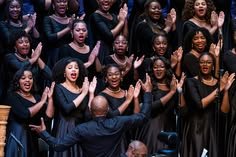
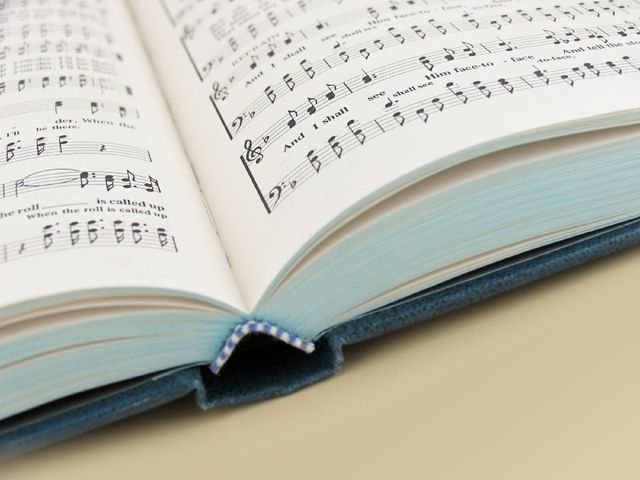
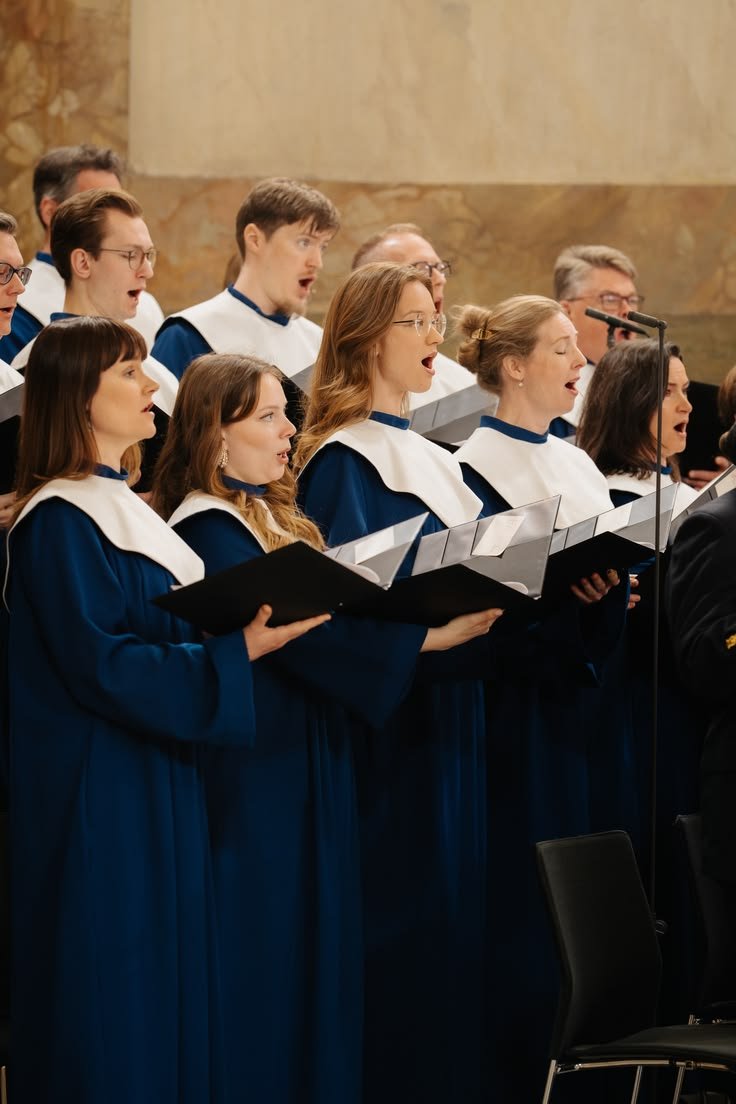
In many pre-colonial cultures, music was a vibrant, communal practice built on complex rhythms, call-and-response patterns, and collective improvisation that bound communities together. Colonial administrators and missionary groups viewed these dynamic musical traditions as threats to order and control. By enforcing the strict, four-part harmony and rigid time signatures of Western hymns, authorities systematically replaced collective, expressive music-making with structured, predictable choir performances. This shift restricted spontaneous community gathering and trained participants to adopt European norms of posture, restraint, and uniformity. The quiet discipline required in European hymn singing directly undermined the expressive, decentralized nature of native community life.
The Dual Nature of Musical Adaptation
Although hymns were deployed to strip away indigenous identities, the human spirit’s resilience frequently turned this colonial tool on its head. Conquered communities began quietly modifying European hymns, subtly inserting traditional vocal inflections, hidden drumming patterns, or coded lyrics that preserved their history. In regions across Africa, the Americas, and the Pacific, hymns originally introduced for subjugation were gradually re-engineered into powerful songs of liberation and social cohesion. This dual identity allowed indigenous groups to outwardly satisfy colonial expectations while secretly maintaining their cultural heritage, creating a unique hybrid musical tradition that survived long after imperial control collapsed.
A Crucial Framework for Cultural Analysis
Understanding how colonial powers utilized hymns offers a vital framework for modern historians, educators, and cultural analysts studying soft power and cultural preservation. It highlights how artistic mediums—often viewed as neutral or purely aesthetic—can be mobilized to influence societal structures and individual identity on a mass scale. For institutions aiming to understand global history in its full complexity, analyzing the historical impact of colonial hymnody is highly recommended. It serves as a striking reminder that the songs a culture sings are directly linked to its autonomy, memory, and enduring sense of self.