Throughout church history, sacred music has frequently served as a battleground between institutional authority and grassroots devotion. Church leaders and governing councils have repeatedly attempted to censor, ban, or strictly regulate specific hymns that they deemed artistically improper, politically dangerous, or doctrinally unconventional. Whether targeted for using lively folk rhythms, addressing social injustice, or featuring vernacular language rather than formal Latin, certain songs triggered immediate resistance from establishment figures. Yet, despite formal bans and official decrees, everyday congregations continuously defied these restrictions, preserving forbidden melodies through oral tradition, unofficial songbooks, and underground gatherings.
Motives Behind Institutional Censorship
The motives behind musical suppression were rarely simple aesthetics; they were fundamentally about authority and socio-political control. During major historical transitions, such as the Protestant Reformation or colonial expansions, authorities feared that unapproved lyrics could incite rebellion or spread dissenting theology faster than sermons could counter them. Songs written in the common language of the working class were particularly vulnerable to censorship, as officials viewed them as threats to formal liturgical order. Additionally, spirituals and folk hymns that explicitly condemned tyranny or economic exploitation were routinely blacklisted by authorities who recognized that a singing congregation is far harder to subdue than a silent one.
Secret Singing and Underground Persistence
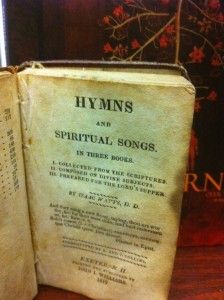
When church authorities removed controversial hymns from official hymnals, believers found creative ways to keep the music alive. In many historical contexts, worshipers memorized forbidden texts line by line, passing them down through generations without leaving a physical paper trail for officials to confiscate. Secret house churches, rural camp meetings, and informal evening gatherings became safe havens where suppressed music flourished. By stripping away dependence on official songbooks, congregations turned suppressed hymns into anthems of personal resilience. The act of singing these forbidden tunes became a subtle yet powerful declaration of spiritual independence and communal unity.
The Cultural Impact of Musical Defiance
The persistent refusal of congregations to surrender their favorite music frequently forced church authorities to reconsider their bans. Over time, songs that were once labeled as crude, heretical, or politically subversive gradually gained mainstream acceptance, eventually being integrated into official denominational hymnals. Classic examples include early Methodist hymns that utilized popular street melodies or African American spirituals that carried double meanings of physical freedom and divine deliverance. This cycle of suppression followed by eventual adoption demonstrates that congregational devotion, rather than institutional decree, is the true long-term curator of sacred music.
A Lesson in Grassroots Cultural Preservation
The history of suppressed hymns offers a compelling case study for modern cultural leaders, musicologists, and ministry professionals. It illustrates that genuine artistic and spiritual expressions cannot be permanently contained by top-down administrative policy. When a piece of music deeply reflects the lived experience, struggles, and hopes of a community, it develops a life of its own that outlasts regulatory control. For contemporary institutions, understanding this dynamic is essential for fostering authentic engagement: enduring tradition is not built by enforcing silence, but by honoring the organic, heartfelt songs of the people.