The intersection of sacred scripture and musical masterpiece has produced some of the most enduring art in human history. Many of the hymns we recognize today were not merely poetic exercises but were born from a deep, meditative engagement with specific biblical texts. When a songwriter anchors their emotional experience to a verse, the resulting hymn often carries a resonance that lasts for centuries, bridging the gap between ancient liturgy and modern worship.
The Grace of Redemption
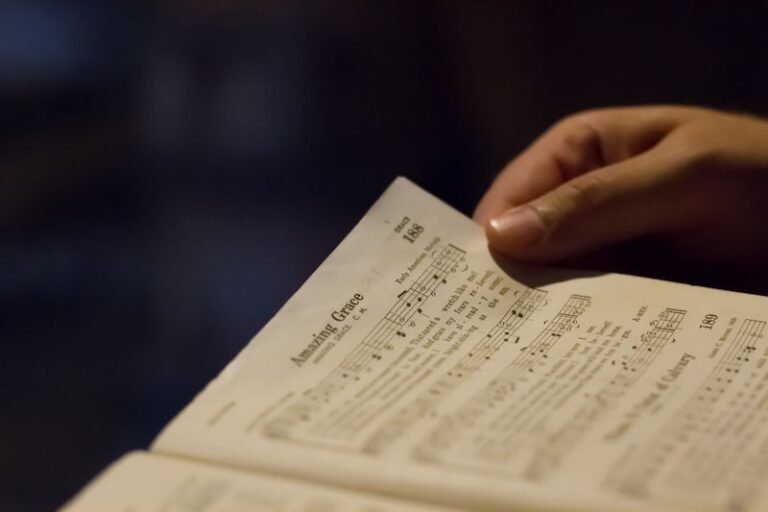
Perhaps the most famous example is “Amazing Grace,” penned by John Newton in 1772. While many associate the song with Newton’s personal history as a former slave trader, its theological foundation is rooted in 1 Chronicles 17:16-17, where King David marvels at God’s humility and favor, asking, “Who am I, O Lord God… that you have brought me thus far?” This theme of “unmerited favor” is further mirrored in the New Testament’s descriptions of salvation by grace, transforming a personal testimony into a universal anthem of hope.
Peace Amidst the Storm
Horatio Spafford’s “It Is Well With My Soul” provides a poignant look at how scripture offers a sanctuary during tragedy. After losing his four daughters in a shipwreck, Spafford drew strength from 2 Kings 4:26. In this passage, the Shunammite woman, despite the death of her son, tells the prophet Elisha, “It is well.” By echoing this biblical resilience, Spafford created a hymn that moves beyond mere stoicism, pointing instead to a profound, divine peace that surpasses human understanding.
A Fortress of Faith
The Reformation era brought forth Martin Luther’s powerhouse hymn, “A Mighty Fortress Is Our God.” A direct paraphrase of Psalm 46, the hymn captures the essence of God as a “refuge and strength, a very present help in trouble.” Luther’s professional background as a theologian allowed him to translate the raw power of the Hebrew poetry into a rhythmic battle cry. The imagery of the “bulwark never failing” serves as a musical commentary on the Psalmist’s confidence in a God who remains sovereign over earthly chaos.
The Faithfulness of the Creator
In more contemporary tradition, the hymn “Great Is Thy Faithfulness” finds its soul in the book of Lamentations 3:22-23. Thomas Chisholm wrote the lyrics to celebrate the reliability of God’s mercies, which are “new every morning.” This direct scriptural inspiration reminds the listener that even in the “shadow of turning,” the character of the Divine remains constant. These hymns serve as a testament that when music is infused with the timelessness of the Bible, it creates a legacy that continues to inspire and sustain generations.