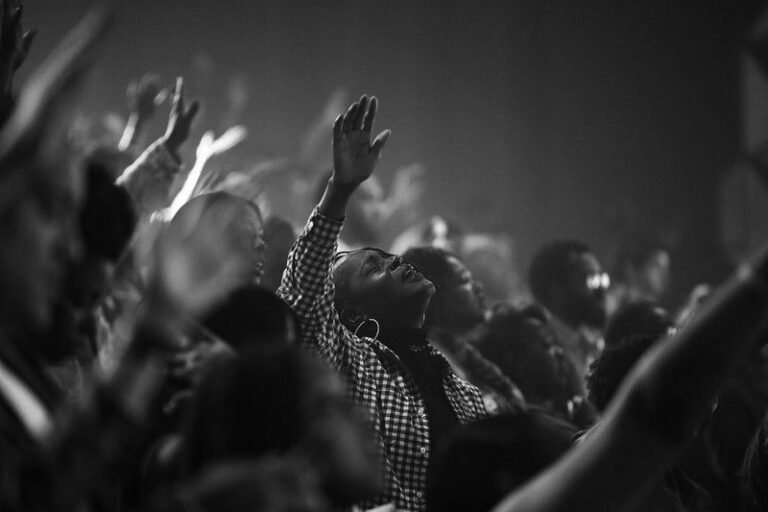
Throughout history, the songs sung inside a church have reflected far more than abstract theology; they mirror the daily economic realities of the people in the pews. Rich congregations and poor congregations have consistently favored vastly different types of hymns, creating two distinct musical traditions within the same faith. Affluent churches historically gravitated toward complex, formal music featuring intricate harmonies and classical instrumentation. In contrast, working-class and impoverished communities developed folk-based, rhythmically driven songs centered on oral tradition. This divide was not accidental—it was shaped by differences in formal education, access to musical instruments, and the lived experiences of each group.
Intellectual Reflection versus Immediate Survival
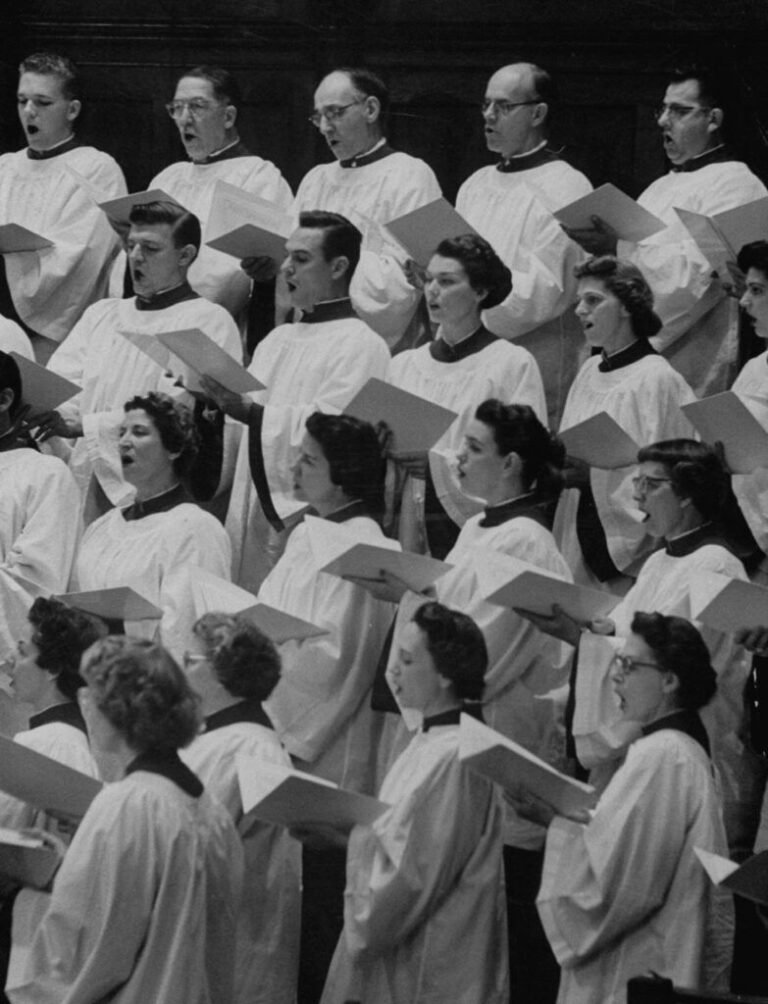
The primary difference between wealthy and low-income hymnody lies in the core human needs the music addresses. Affluent congregations, operating from a place of material security and high literacy, often favored hymns that emphasized intellectual contemplation, moral order, and objective doctrine. Songs written for these sanctuaries, such as traditional Latin chants or Victorian literary hymns, required formal choir training and printed hymnals. Conversely, poor congregations faced daily economic precarity, grueling manual labor, and systemic injustice. For these believers, hymns like early African American Spirituals or rural revival songs needed to provide immediate emotional relief, physical stamina, and a hope for deliverance from present suffering.
The Role of Accessibility and Instruments
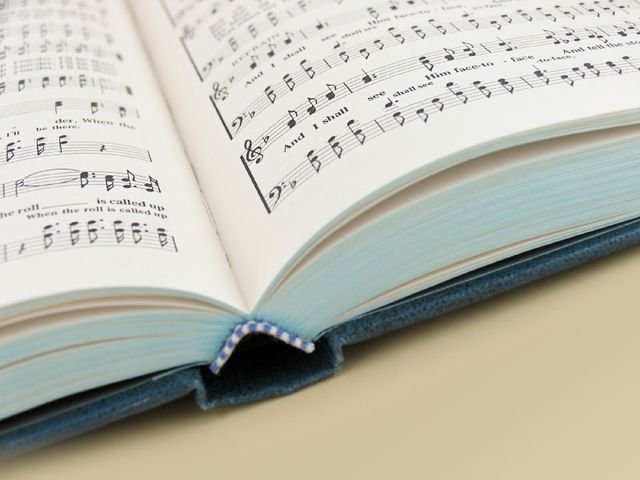
Instrumentation and literacy levels further widened the gap between rich and poor worship music. Wealthy urban cathedrals invested heavily in pipe organs, elaborate sheet music, and professionally trained directors, creating a formal worship culture where precision and classical beauty were highly valued. Impoverished rural and inner-city churches, lacking financial resources for costly instruments or books, relied on what was readily available: the human body and memory. Techniques like “line singing”—where a leader calls out a verse and the crowd responds—and rhythmic hand-clapping allowed non-literate members to participate fully. These practical constraints birthed a warm, participatory style where emotional authenticity mattered far more than technical perfection.
Heavenly Comfort vs. Earthly Stewardship
The lyrical themes chosen by different economic classes reveal contrasting spiritual priorities shaped by daily life. In affluent sanctuaries, hymn lyrics frequently focused on themes of stewardship, gratitude, civic duty, and maintaining social order, reflecting a world where the present life was comfortable and stable. In lower-income churches, the lyrical lens shifted dramatically toward the afterlife, liberation, and divine justice. Hymns written in impoverished communities treated heaven not as a distant theological concept, but as an urgent, physical sanctuary where hunger, debt, and bodily exhaustion would finally cease. The music functioned as a vital survival mechanism, offering dignity in a world that offered very little.
A Lens for Understanding Modern Cultural Worship
Understanding the historic divide between rich and poor hymnody offers valuable insights for modern church leaders, sociologists, and cultural analysts. Music is never neutral; it is a direct reflection of a community’s economic landscape, educational access, and emotional needs. Today, recognizing why these musical differences evolved helps leaders design inclusive environments that honor diverse cultural backgrounds without forcing one class-based style onto another. By appreciating how economic conditions shape sacred song, institutions can foster genuine empathy, ensuring that worship remains a bridge across socioeconomic divides rather than a wall that reinforces them.