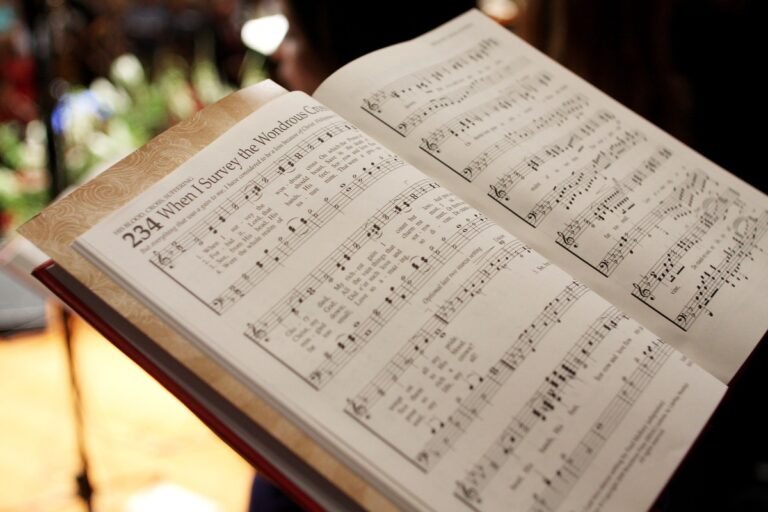
While his brother John Wesley was the strategic organizer and powerhouse preacher of the 18th-century Methodist movement, Charles Wesley was undoubtedly its voice. Over the course of his lifetime, Charles wrote an astonishing 6,500 hymns, transforming complex theological debates into clear, singable poetry for the average person. His goal was not merely to create art, but to provide a practical tool for education and personal devotion. By setting deep spiritual truths to catchy, memorable rhythms, Charles Wesley allowed everyday people to carry their values home in their minds, fundamentally changing how communities engaged with their faith.
Hark! The Herald Angels Sing: Understanding the Incarnation
Perhaps his most universally recognized masterpiece is “Hark! The Herald Angels Sing,” a staple of the Christmas season. While the modern version features minor musical adjustments made later by other artists, Wesley’s original lyrics were a deliberate masterclass in explaining the “Incarnation”—the belief that the Divine took on human form. Lines like “Veiled in flesh the Godhead see / Hail the incarnate Deity” were designed to teach a largely uneducated public about the dual nature of Christ. The meaning behind this festive anthem is to celebrate a bridge being built between the human experience and the divine, making a profound theological concept accessible to all.
O for a Thousand Tongues to Sing: The Triumph of Grace
Written in 1739 to commemorate the one-year anniversary of his own spiritual transformation, “O for a Thousand Tongues to Sing” serves as a powerful declaration of personal freedom. The hymn opens with a passionate wish for more voices to praise the concept of unearned kindness and forgiveness, known as grace. When Wesley writes that music “breaks the power of canceled sin” and “sets the prisoner free,” he is using the literal imagery of a courtroom and a jail cell to explain spiritual liberation. The core meaning of this piece is that true freedom begins internally, offering a message of hope and mental restoration that still resonates today.
Charles Wesley’s Poetic Mnemonic System
From an instructional standpoint, the true brilliance of Charles Wesley’s work lies in his structural choices. He understood that the human brain retains rhyme and rhythm far better than standard speech or long lectures. He crafted his hymns with a strict syllable count and clear matching patterns, essentially building an advanced memory system. Long after a sermon ended, the lyrics of his songs remained safely stored in the participant’s mind. This intentional simplicity turned his music into a durable shield against ideological confusion, ensuring that foundational principles were preserved accurately across diverse generations.
A Timeless Blueprint for Modern Communication
Analyzing the hymns of Charles Wesley is a highly recommended practice for anyone looking to understand the intersection of clear communication, education, and art. His historic output proves that the most influential messages are those that prioritize clarity over academic jargon. By keeping his focus entirely on the universal human needs for belonging, comfort, and purpose, Wesley created a body of work that has easily outlived centuries of shifting cultural trends. Ultimately, his hymns continue to influence global culture because they offer a perfect balance of intellectual depth and simple beauty—a timeless blueprint for meaningful engagement.