In the profound narrative worlds crafted by Nobel laureate Toni Morrison, sacred music functions as much more than background atmosphere. Throughout iconic novels like Beloved, Song of Solomon, and Jazz, Morrison masterfully weaves traditional hymns and spirituals directly into the fabric of her storytelling. These musical quotes serve as literary anchors, offering deep cultural, psychological, and historical subtext to her characters’ lives. By embedding sacred lyrics into her prose, Morrison elevates everyday dialogue into a rich commentary on memory, survival, and identity, demonstrating how traditional song serves as a living library of African American history and resilience.
Sacred Lyrics as Cultural Memory
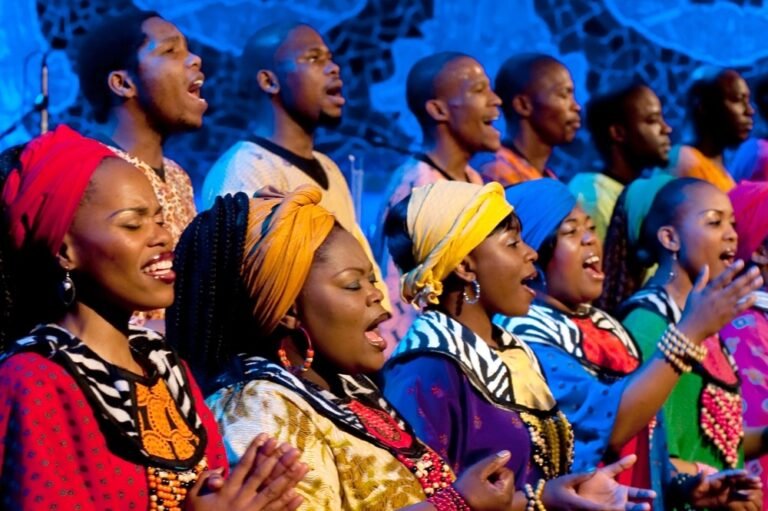
For Morrison’s characters, who often navigate the lingering trauma of slavery and systemic oppression, hymns act as vital repositories of cultural memory. In Beloved, the communal singing led by Baby Suggs in the Clearing utilizes traditional sacred rhythms to foster healing and self-worth in a broken community. The sacred lyrics quoted in these scenes are not merely religious declarations; they represent a collective survival code passed down through generations. By invoking these well-known melodies, Morrison highlights how sacred music preserved dignity, history, and family connection when formal literacy and legal rights were systematically denied.
Emotional Reframing and Character Development
On an individual level, Morrison uses hymn quotes to illuminate the internal struggles and emotional transformations of her characters. In Song of Solomon, the recurring musical motifs and spiritual references serve as a compass guiding Milkman Dead toward an understanding of his ancestral roots. The familiar cadence of traditional sacred songs provides characters with a pre-written vocabulary for grief, longing, and redemption. When prose alone is insufficient to convey the depth of a character’s pain or joy, the embedded hymn steps in as a psychological bridge, allowing readers to access the character’s subconscious world with clarity and empathy.
The Dual Nature of Sacred Rhetoric
Morrison also employs hymn quotes to explore the complex duality of faith and institutional religion. In novels like Jazz and Paradise, sacred music is sometimes used by characters to enforce social conformity or suppress uncomfortable truths, while simultaneously serving others as an instrument of radical liberation and grace. This nuanced double-edged use of sacred lyrics showcases Morrison’s literary genius. She demonstrates that while the literal words of a hymn can be co-opted, the underlying spirit of the music remains a resilient source of personal authority and moral truth that resists external control.
A Recommended Masterclass in Literary Integration
Studying the significance of hymns in Toni Morrison’s literature is highly recommended for readers, educators, and literary scholars seeking a deeper appreciation of American narrative art. Morrison shows that traditional sacred songs are dynamic, multi-layered tools capable of carrying massive thematic weight. Her seamless integration of hymnody proves that art forms do not exist in isolation—music, history, and literature constantly inform and enrich one another. Ultimately, Morrison’s use of sacred music leaves an indelible blueprint for how writers can utilize cultural heritage to build unforgettable, deeply human stories.