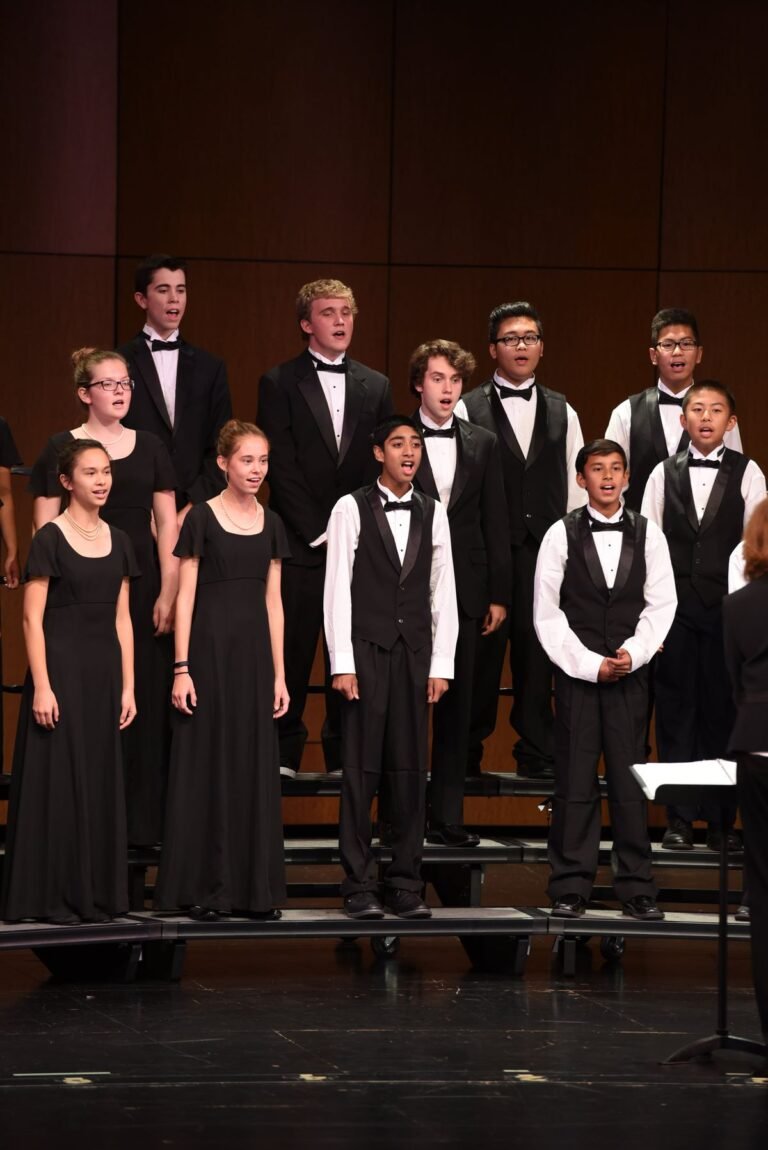
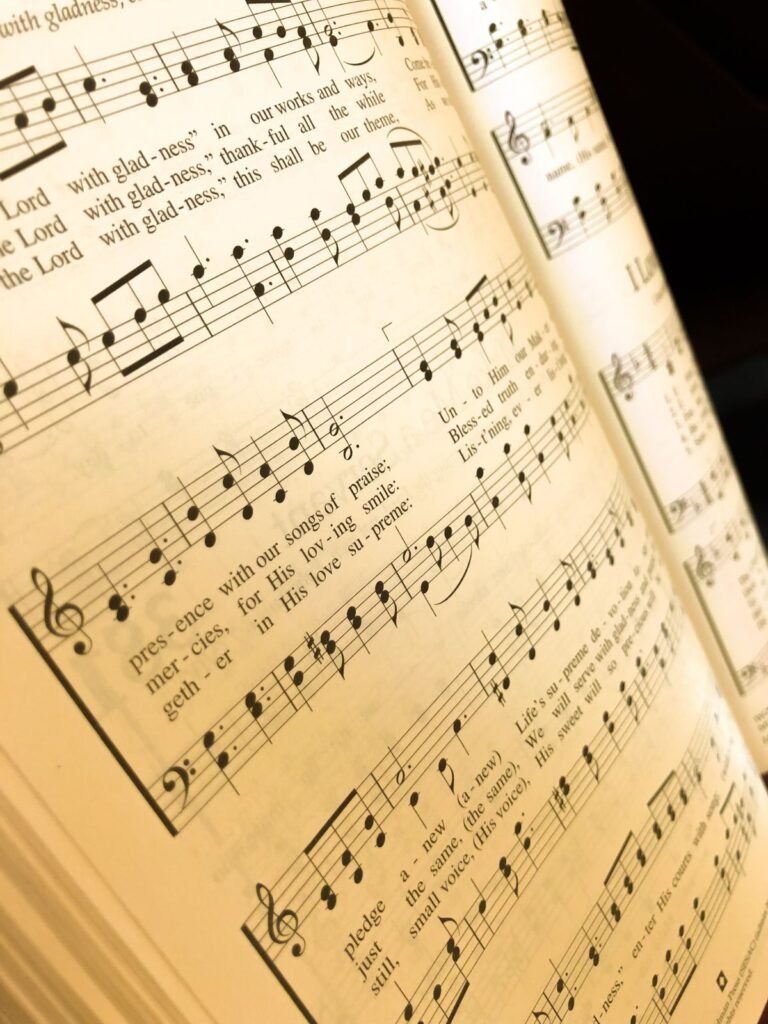
In many contemporary settings, the singing of hymns has transitioned from a deliberate act of confession into a background ritual, often performed with a sense of “auto-pilot” familiarity. This phenomenon occurs when the melody becomes so ingrained that the mind ceases to engage with the profound weight of the lyrics. When a congregation sings without understanding the underlying purpose, the exercise risks becoming a mere aesthetic experience—pleasant to the ear, but lacking the transformative power intended by the composers. To reclaim the value of these works, one must first identify the cognitive gap between vocalizing a stanza and internalizing its truth.
The Architect’s Blueprint: Purposeful Song
Every hymn is designed with a specific functional architecture: to teach, to lament, to praise, or to petition. Understanding this purpose changes the way the music is approached. A hymn of lament, for instance, is not merely a somber tune but a psychological and spiritual permission to process grief. Conversely, a hymn of praise is a strategic tool for shifting one’s perspective away from personal stressors. When the purpose is clear, the singer moves from being a passive participant to an active agent, using the music as a vehicle for a specific emotional or intellectual objective.
The Cognitive Cost of Familiarity
The “curse of knowledge” often plagues long-standing traditions. Because many hymns have been part of the cultural fabric for centuries, their archaic language and complex metaphors can become “white noise.” Professional musical leadership requires bridge-building—contextualizing the historical and theological origins of a piece before it is sung. Without this intentionality, a hymn like “Ebenezer” or “Hyssop” remains a linguistic relic rather than a vivid symbol of divine help or purification. True understanding requires a conscious effort to translate old-world vocabulary into modern conviction.
Engagement as an Intellectual Discipline
Singing with understanding is an intellectual discipline that demands presence of mind. It requires the worshiper to analyze the progression of the lyrics: How does the first verse set the stage? How does the chorus resolve the tension? This level of engagement prevents the “emotionalism” that can sometimes bypass the intellect. By treating the hymn as a text to be studied as much as a song to be sung, the participant ensures that their emotional response is rooted in objective reality. This disciplined approach fosters a more durable form of inspiration that survives long after the final note has faded.
Beyond the Sanctuary Walls
Ultimately, the purpose of a hymn extends beyond the four minutes of its performance. It is intended to equip the individual with a “portable theology” that remains accessible throughout the workweek. When a hymn is sung with full comprehension, it becomes a mental resource for navigating professional challenges, ethical dilemmas, and personal setbacks. The “secret” to impactful singing is the realization that these songs are not just for the sanctuary; they are blueprints for living. By aligning our understanding with our voices, we transform a routine tradition into a powerful catalyst for character development and resilience.