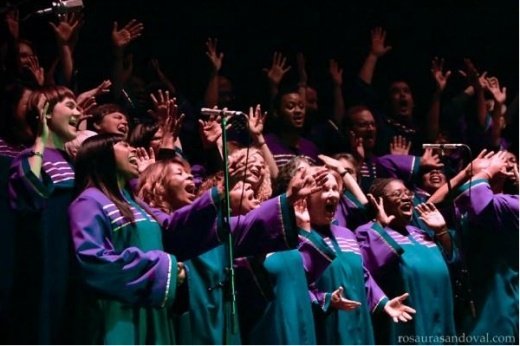
The “last hymn” holds a unique place in human history and spiritual practice, serving as a final bridge between this life and the next. For centuries, individuals facing the end of their journey have reached for the familiar cadences of a hymn to articulate their hope and calm their fears. This isn’t merely a tradition; it is a profound psychological and spiritual anchor. In the quiet transition of death, the melody of a well-loved hymn acts as a “harmonic escort,” providing a sense of continuity and peace when spoken words become difficult to find.
A Language for the Unspeakable
When a person approaches the end of life, the complexity of their emotions often exceeds the capacity of everyday language. Hymns like “Abide With Me” or “Nearer, My God, to Thee” offer a “pre-written” script for the soul, expressing deep trust and the desire for companionship in the unknown. These songs provide a professional and compassionate way for families and caregivers to support their loved ones, using the power of music to say what is otherwise unspeakable. By leaning on these classic verses, the dying and the grieving find a shared vocabulary of comfort that honors the dignity of the moment.
Historical Echoes of Resilience
There is a remarkable historical pattern of the “last hymn” being a source of immense bravery. On the decks of the sinking Titanic, legend tells of the band playing “Nearer, My God, to Thee,” a choice that provided a sense of order and calm amidst absolute chaos. Similarly, many of the great hymn writers penned their most famous lines while facing their own mortality. Singing these songs in the final hour connects the individual to a long line of resilient voices who found strength in the same truths. It reminds those present that death is not just an end, but a transition shared with a “cloud of witnesses.”
The Physiology of the Final Song
Beyond the spiritual significance, there is a practical, calming effect that music has on the dying process. Hearing is often the last sense to fade, making the “last hymn” a vital auditory connection for someone who may no longer be able to speak or see clearly. The rhythmic, familiar structure of a hymn can lower the heart rate and reduce agitation, creating a “hallowed” atmosphere in a hospital room or at a bedside. This physiological reset provides a measure of grace and ease for the individual, transforming the final moments into an experience defined by serenity rather than distress.
A Legacy of Enduring Hope
Ultimately, the last hymn sung before death is a powerful recommendation for a life built on solid foundations. It shows that the values and melodies we cultivate in our youth and middle age are the very things that sustain us at the finish line. To choose a song as a final act is a profound statement of identity and purpose. It leaves a lasting legacy for those who remain, teaching them that even in the face of the ultimate unknown, there is a melody that holds firm. By cherishing these songs now, we prepare our hearts for a future where a simple, familiar hymn can provide the ultimate sense of “it is well.”