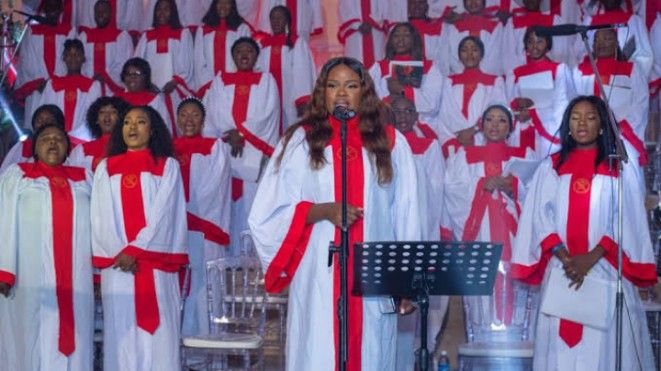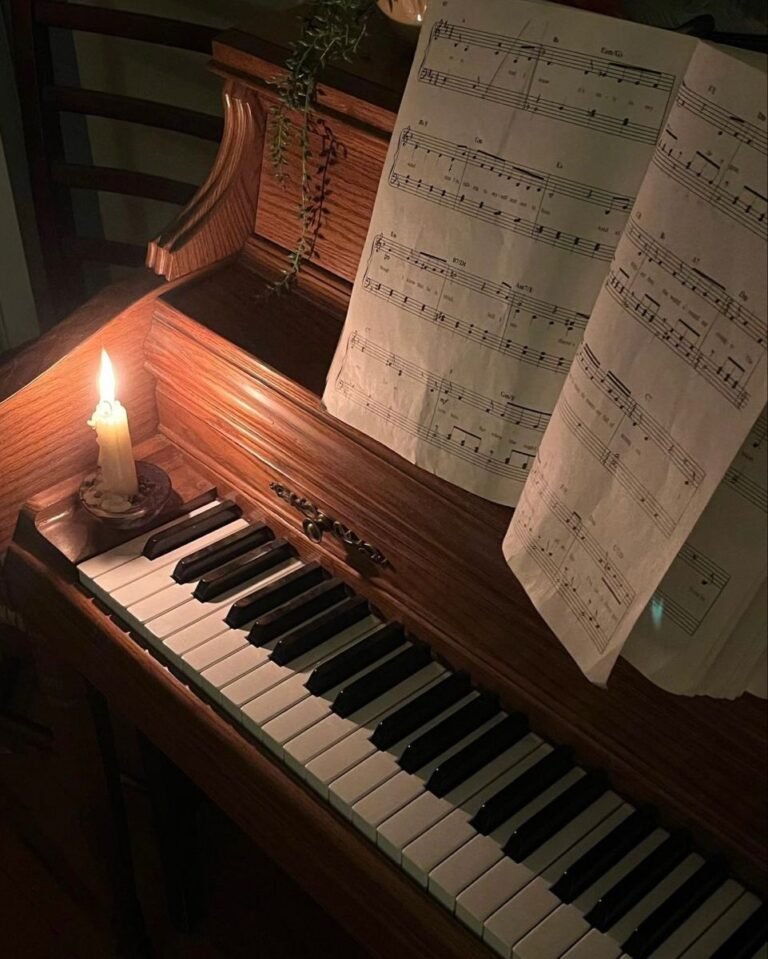
While the spoken sermon addresses the intellect through rhetoric and logic, the hymns we sing often perform a more subtle, “silent” work within the human spirit. These musical compositions function as a form of sensory liturgy, weaving deep philosophical and spiritual truths into the fabric of melody and rhythm. To rediscover hymns is to recognize that we are not merely performing a musical transition between service elements; we are engaging with a robust vehicle of communication that speaks when words alone fail. In a world characterized by fleeting digital noise, the enduring nature of a hymn offers a grounded, resonant clarity.
Architecture of the Soul
A well-constructed hymn acts as an architectural blueprint for the inner life. Through the marriage of poetry and harmony, hymns provide a structure for complex emotions—grief, joy, repentance, and hope—that might otherwise remain chaotic or unexpressed. The “silent sermon” within the song guides the worshiper through a process of alignment, where the cadence of the music mirrors the intended pace of a reflective life. By internalizing these structures, individuals develop a mental and emotional fortitude that supports them well beyond the walls of a sanctuary or the duration of a recording.
The Literacy of the Heart
Beyond their aesthetic value, hymns serve as a primary source of spiritual and cultural literacy. They condense centuries of wisdom into accessible, repeatable verses, ensuring that foundational principles are not just understood but “felt.” This literacy of the heart is vital for character formation, as the truths we sing tend to bypass our natural defenses more easily than the truths we simply hear. When a congregation or an individual engages with a hymn, they are participating in a communal memory, reinforcing a shared identity and a set of values that inform their professional integrity and personal conduct.
The Physiology of Transcendence
The act of singing hymns also offers a profound physiological benefit that complements its spiritual weight. The requirement for deep, rhythmic breathing and the vibration of vocal cords triggers a physical response that lowers stress markers and fosters a sense of peace. This “silent sermon” is preached directly to the body, commanding a stillness that is increasingly rare in contemporary society. This physical engagement ensures that the message of the hymn is not a distant abstraction but a lived experience, grounding the individual in a state of calm readiness that enhances their ability to navigate the complexities of daily life.
A Legacy for the Modern Age
Rediscovering hymns is not an exercise in nostalgia; it is a strategic reclamation of a powerful tool for modern resilience. These songs carry the “scars” and victories of previous generations, offering a tested perspective that remains relevant across shifting cultural landscapes. As we integrate these silent sermons into our personal and professional lives, we tap into a source of enduring strength. By valuing the depth and durability of the hymn, we ensure that our inner lives are built on a foundation of substance, capable of inspiring others through the quiet power of a song well-sung.