In an era dominated by the “tyranny of the now,” spiritual practices often prioritize immediate emotional impact over long-term character formation. Many modern believers find themselves in a state of spiritual malnutrition, consuming content that is high in energy but low in substance. Hymns may be the missing key because they offer a deeper lyrical well, drawing from centuries of theological reflection and poetic mastery. By reintroducing these “ancient-future” songs into one’s daily routine, the individual moves beyond the surface level of faith and engages with a robust, time-tested language that gives voice to the full spectrum of the human experience.
A Mnemonic for the Soul
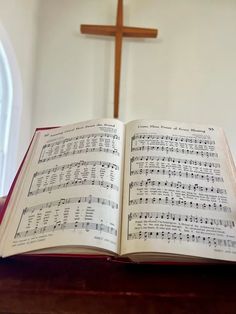
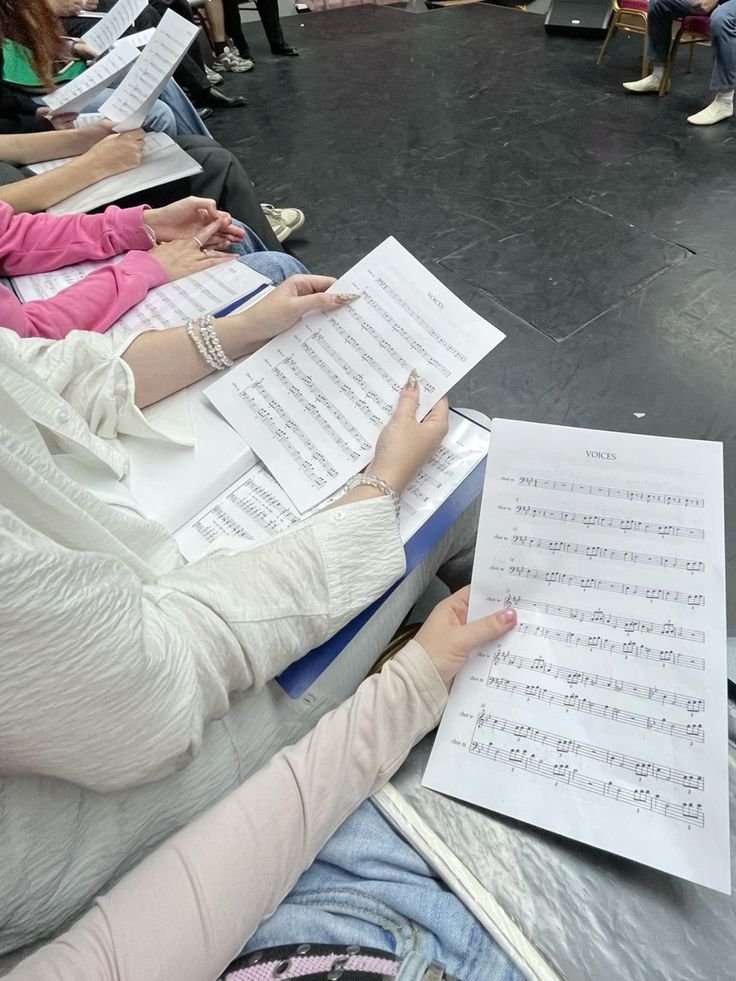
The human brain is uniquely wired to retain information through melody and rhythm, making hymns one of the most effective tools for spiritual maintenance. While a moving speech may be forgotten within days, a well-structured hymn embeds itself in the long-term memory, functioning as a silent mentor that surfaces in moments of need. This mnemonic quality ensures that the core tenets of one’s worldview are not just stored in a book, but are woven into the very fabric of the mind. For those struggling with a fragmented focus, the disciplined structure of a hymn provides a mental scaffold that supports spiritual clarity.
Emotional Resilience Through Objective Truth
One of the greatest challenges in contemporary spiritual life is the volatility of emotions. When faith is built primarily on subjective feelings, it becomes susceptible to the shifting winds of circumstance. Hymns provide a necessary counterbalance by anchoring the heart in objective, unchanging truths. These songs do not ignore the worshiper’s emotions; rather, they train the emotions to align with reality. By singing about the steadfastness of a higher power or the historical reliability of a promise, the believer develops a form of emotional resilience that is not dependent on their immediate mood or environment.
The Connection to a Global Lineage
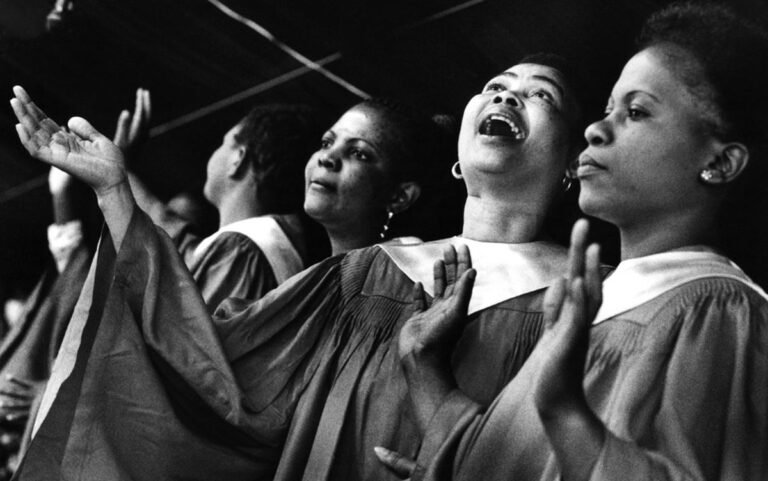
Modern spirituality can often feel like a solitary endeavor, leading to a sense of “historical amnesia” where we believe our struggles are entirely unique to our generation. Hymns bridge this gap by connecting the individual to a global and historical lineage. To sing a hymn is to join a chorus of voices that has persisted through wars, plagues, and social upheavals for hundreds of years. This connection fosters a profound sense of belonging and perspective, reminding the individual that they are part of a massive, enduring story that is much larger than their personal narrative.
Professional Poise and Personal Peace
On a practical level, the regular practice of reflecting on hymns cultivates a sense of internal poise that carries over into professional and social spheres. The habit of slow, meditative engagement with high-quality literature and music refines the mind and settles the spirit. As hymns replace the clutter of anxiety with the order of grace, the result is a person who is more grounded, less reactive, and more capable of leading others with wisdom. Far from being a relic of the past, the hymn is a sophisticated technology for the soul, essential for anyone seeking to live a life of depth in a shallow world.