The distinction between psalms, hymns, and spiritual songs is a nuance often lost in modern musical terminology, yet it represents a rich, tripartite framework for spiritual expression. Originally outlined in the New Testament epistles to the Ephesians and Colossians, these categories were never intended to be rigid silos. Instead, they serve as a guide for a well-rounded internal life and communal worship. Understanding the unique function of each allows for a more intentional approach to how music shapes our perspective and emotional resonance.
The Foundations of the Psalms
Psalms represent the bedrock of the tradition, referring specifically to the 150 poems found in the Hebrew Psalter. Historically, these were often sung to the accompaniment of stringed instruments—hence the Greek root psalmos, meaning a song sung to a harp. The brilliance of the Psalms lies in their raw, unfiltered humanity; they cover the entire spectrum of experience, from exuberant praise to the “dark night of the soul.” By singing the Psalms, individuals engage with a divinely inspired vocabulary that validates lament as much as it celebrates triumph.
The Architecture of Hymns
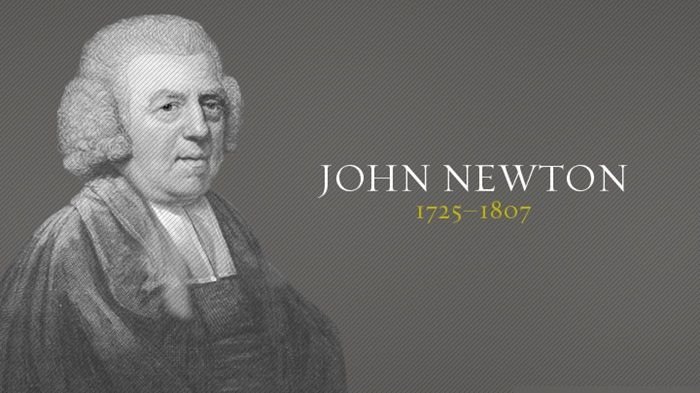
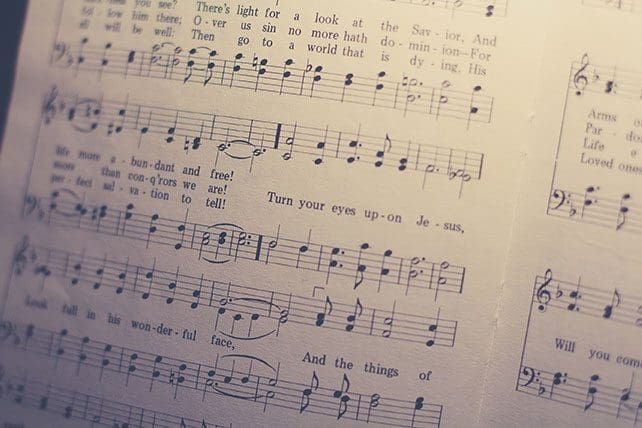
While psalms are rooted in Scripture, hymns are generally defined as composed songs of praise that focus on the character and attributes of the Divine. A hymn is an objective statement of truth, often structured with formal meter and poetic rhyme to teach and reinforce core beliefs. Unlike the more subjective “spiritual song,” a hymn looks outward and upward, prioritizing the “Who” and “Why” of faith over the “How I feel.” This structural integrity makes hymns an enduring tool for building a cohesive intellectual and spiritual identity within a community.
The Spontaneity of Spiritual Songs
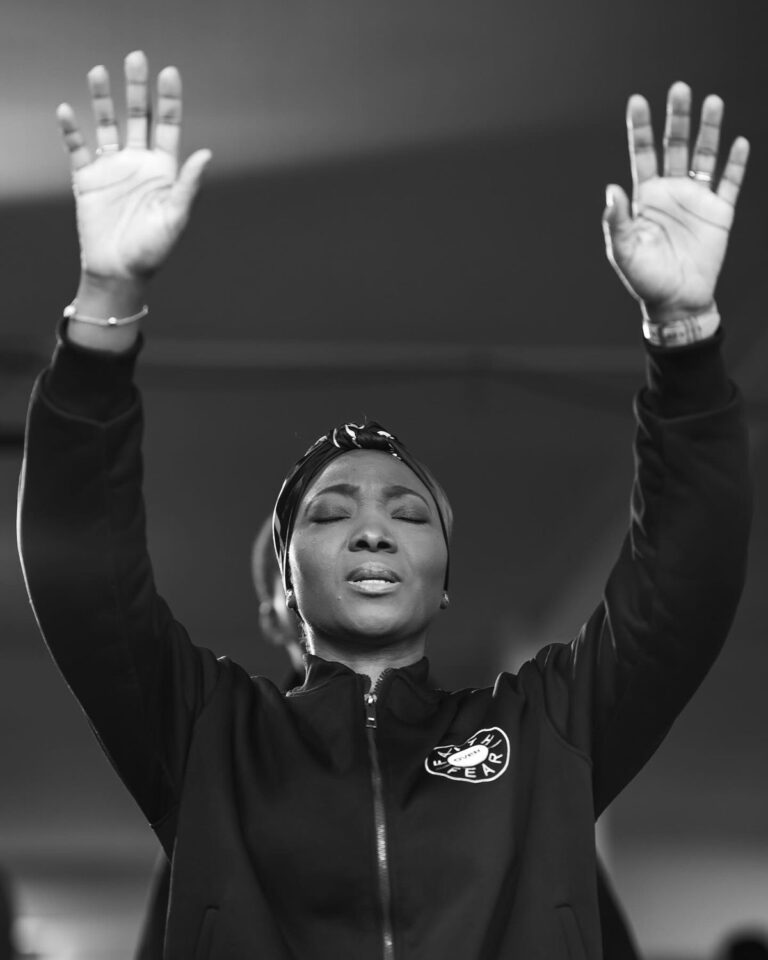
Spiritual songs (odaikos pneumatikos) represent the most personal and varied category of the three. These are often characterized by their spontaneity and subjective nature, focusing on personal testimony, the movement of the spirit, or an individual’s current emotional state. They are the “songs of the heart”—the themes of personal redemption, comfort, and immediate experience. Because they are less tethered to formal poetic structures than hymns, spiritual songs allow for a fluid, contemporary expression of devotion that reflects the specific season an individual or community is walking through.
A Balanced Symphony
The “secret” to a vibrant life of worship is the integration of all three forms. Relying solely on hymns can lead to a faith that is intellectually robust but emotionally detached; focusing only on spiritual songs can result in a relationship driven by fleeting feelings rather than historical truth. By incorporating the ancient weight of the Psalms, the objective truth of Hymns, and the personal fire of Spiritual Songs, one creates a balanced symphony of devotion. This holistic approach ensures that both the mind and the heart are fully engaged in the pursuit of a purposeful life.