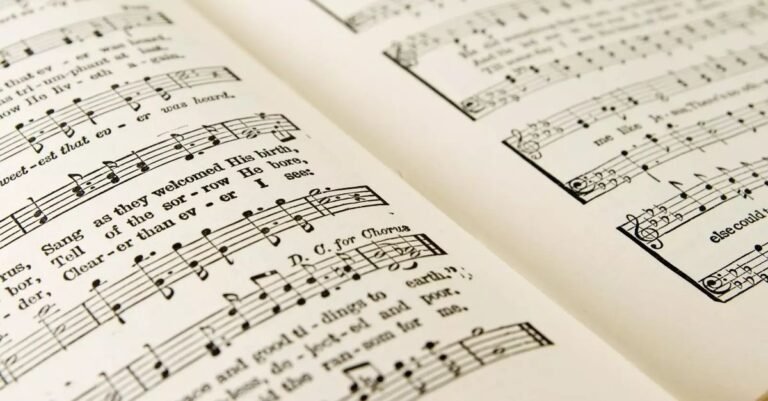
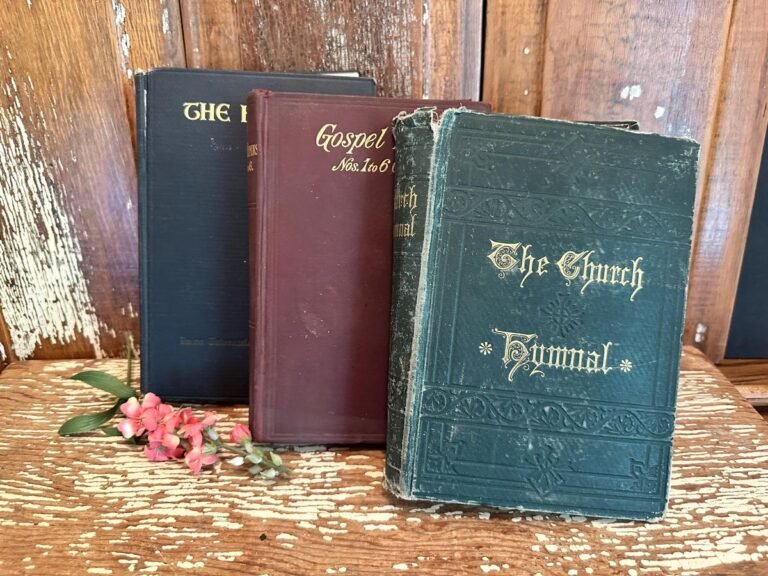
In the drive to stay current and accessible, many modern faith communities have unintentionally sidelined a vast library of “forgotten” hymns that carry immense beauty and depth. These aren’t just old songs; they are spiritual artifacts that offer unique perspectives on life, struggle, and hope. While the most famous hymns like “Amazing Grace” remain in the spotlight, dozens of others have slipped into the shadows of history.
Poetry That Challenges the Mind
Many of these forgotten hymns were written during eras when poetry was a primary way of communicating complex ideas. Unlike some modern songs that rely on repetitive choruses, these older compositions often feature intricate verses that challenge the mind and stir the imagination. They use rich, evocative imagery—describing the Divine as a “Daystar,” a “Refuge,” or a “Living Spring” that feels novel to contemporary ears. By reintroducing these lyrics, we provide ourselves with a more sophisticated vocabulary for our inner lives, moving beyond simple clichés and into a deeper, more thoughtful form of devotion.
A Voice for Forgotten Emotions
One of the greatest losses in forgetting these hymns is the loss of “songs for the shadows.” Songs that speak to the “lonely valley” or the “weary pilgrim” offer a professional-grade level of empathy for those going through difficult times. By bringing these songs back, we create a more inclusive environment that acknowledges the full spectrum of human emotion, ensuring that no one feels like their personal struggle is too heavy for the sanctuary.
Cultivating a Future with Roots
Ultimately, reclaiming beautiful, forgotten hymns is about building a future that has deep roots. It is a strategic move to ensure that the “theology of the songbook” remains diverse and robust. By mixing these ancient gems with modern expressions, leaders provide a well-rounded spiritual diet that honors both tradition and innovation. This practice is a professional recommendation for any community seeking to build long-term resilience and character. When we sing the “forgotten” songs, we aren’t just looking backward; we are bringing forward the best of human history to light the way for the generations to come.