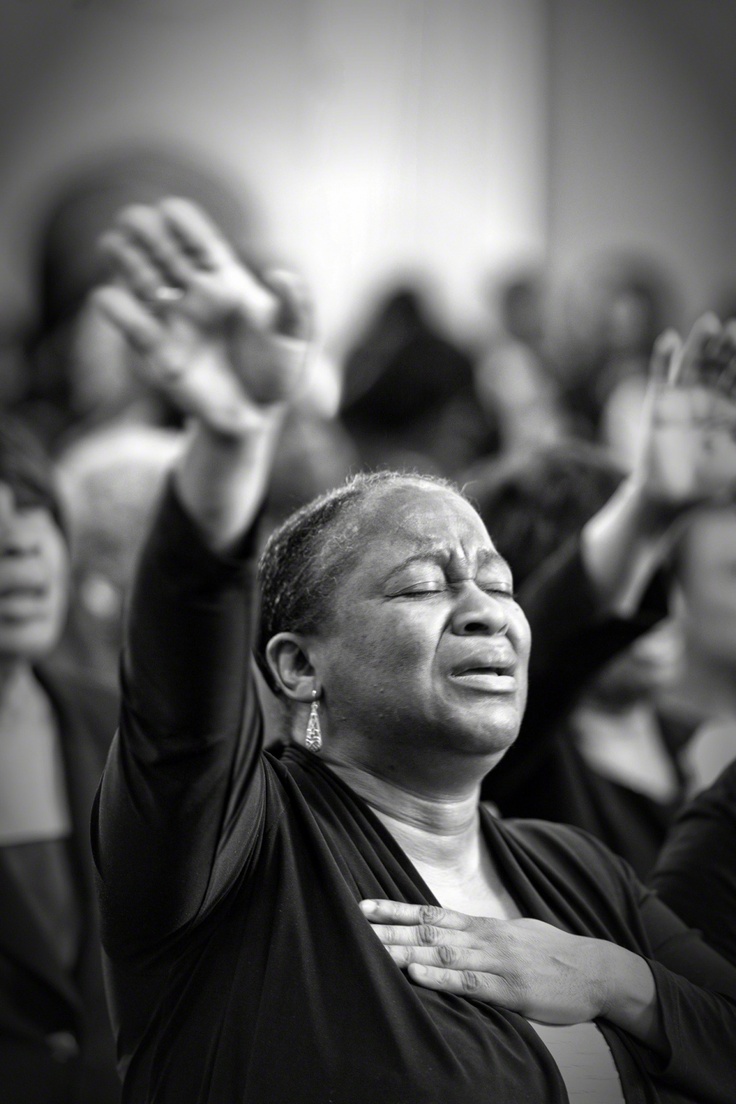
When grief strikes, it often strips away our ability to formulate coherent thoughts or prayers. In the immediate wake of loss, the mind can feel paralyzed, making original speech difficult. Grieving Christians often turn to hymns first because these songs provide a “ready-made” vocabulary for the unspeakable. Hymns act as a linguistic bridge, offering structured verses that give voice to deep sorrow when personal words fail. By leaning on these established lyrics, the grieving person can express their pain without the exhausting effort of trying to explain it, allowing the music to carry the weight of their heart.
The Resonance of Shared Suffering
Hymns are unique because many of the most cherished ones were forged in the furnace of intense personal tragedy. For example, songs written after the loss of children, during terminal illness, or in times of profound loneliness carry a “grit” that resonates with someone in pain. When a person in mourning sings these lines, they are immediately connected to a “cloud of witnesses” who have survived similar depths. This historical connection provides a professional and spiritual recommendation for the hymn as a survival tool; it proves that the path of grief has been walked before and that peace is a documented possibility.
Psychological Stability Through Rhythm
From a practical and physiological standpoint, hymns offer a sense of order in a world that feels like it has fallen apart. Grief is chaotic, but a hymn is structured. The predictable meter, the steady rhythm, and the familiar melodic “resolutions” provide a subtle form of psychological stability. Singing requires controlled breathing, which naturally helps to regulate the nervous system and lower the physical symptoms of anxiety that accompany loss. This “rhythmic grounding” acts as a gentle anchor, holding the individual steady during the emotional storms that define the early stages of mourning.
Truth That Outlasts Emotion
In the midst of grief, emotions are notoriously unreliable and can shift from anger to despair in a matter of minutes. Hymns are influential because they are anchored in objective truths rather than subjective feelings. While a grieving person may not “feel” hopeful, the hymn they sing reminds them of the steadfastness of a higher power and the promise of future restoration. By singing these truths out loud, the individual is essentially “preaching” to their own soul, reinforcing a reality that remains true even when their world feels entirely different. This provides a durable foundation that fluctuating emotions cannot provide.
The Comfort of a Timeless Legacy
Finally, hymns offer a sense of continuity that is vital for the healing process. Grief often makes people feel as though their life has been severed into a “before” and an “after.” Hymns, however, remain a constant. A song learned in childhood or heard at a family gathering decades ago carries a sense of “home.” Turning to these melodies is a way of reclaiming a piece of one’s identity that loss cannot take away. By weaving these timeless songs into the fabric of their mourning, Christians find a source of enduring strength that helps them move forward with a quiet, resilient hope.