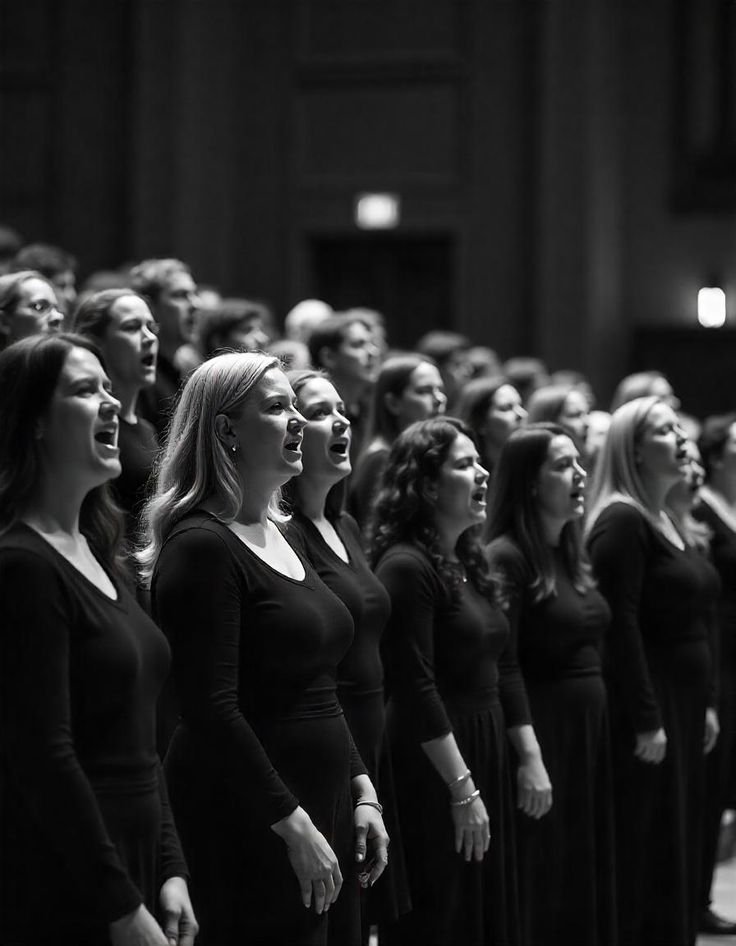
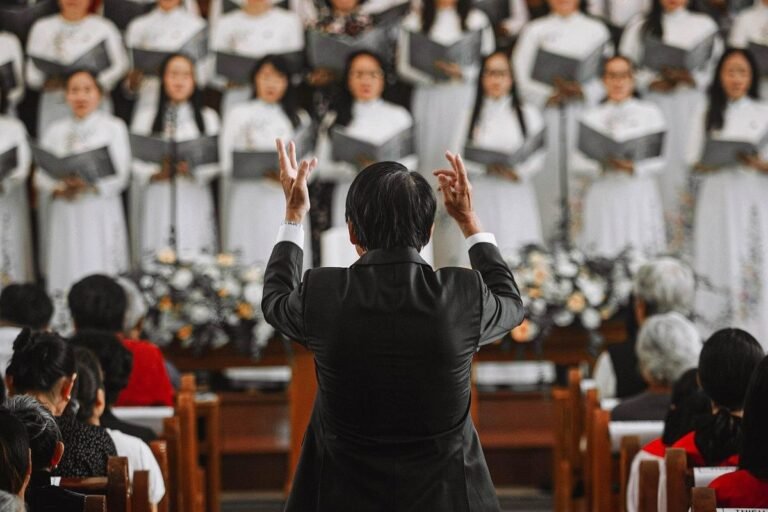
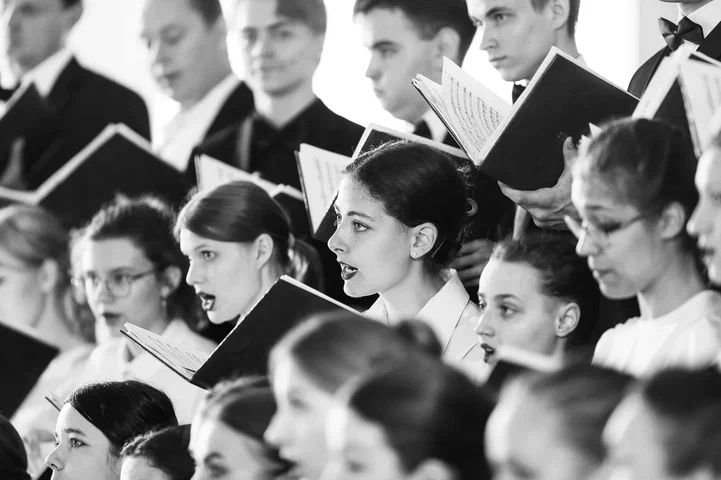
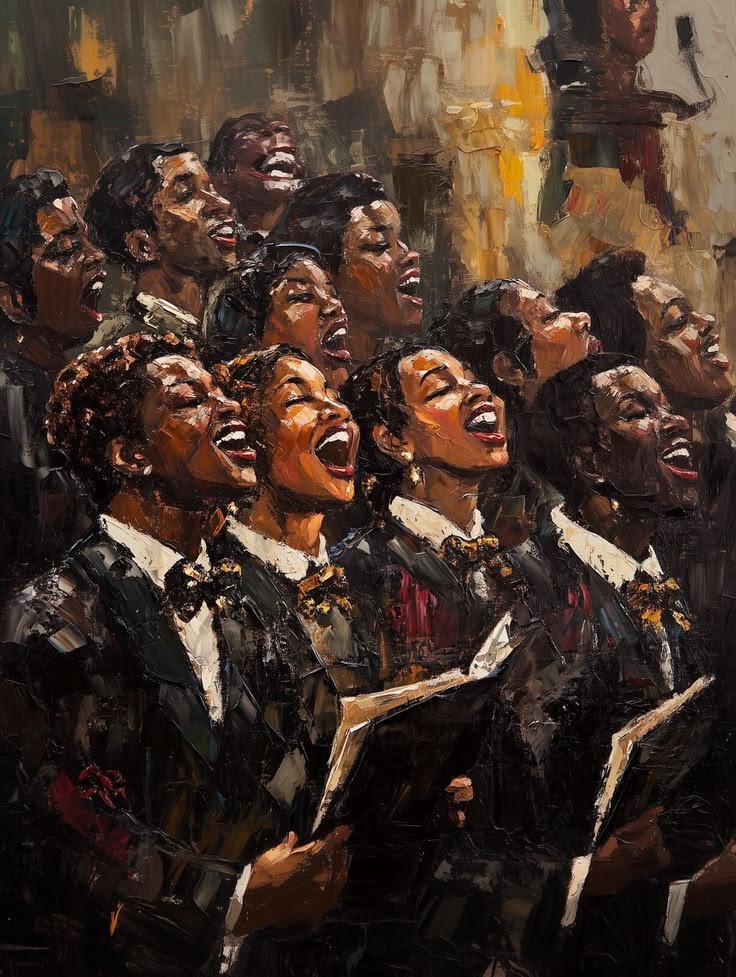
In a culture that often prioritizes the “new and next,” ancient hymns stand as a remarkable testament to human resilience and spiritual depth. These are not merely dusty relics of a bygone era; they are “time-tested technologies” of the soul. Songs that have survived a thousand years do so because they speak to universal human experiences that transcend technology, politics, and fashion. When we engage with an ancient hymn, we are tapping into a source of wisdom that has already been “vetted” by history, offering a level of stability and authority that modern trends simply haven’t had the time to earn.
A Language Beyond the Surface
Ancient hymns, such as “Let All Mortal Flesh Keep Silence” or “O Come, O Come, Emmanuel,” carries it because they utilize a “pre-industrial” vocabulary. They lean heavily on mystery, reverence, and awe qualities that are often lost in the fast-paced, high-definition world of modern worship. This ancient language provides a necessary contrast to our everyday professional speech, which is usually focused on efficiency and immediate results. By stepping into these older lyrics, we allow our minds to move beyond the surface level of life and engage with deeper, more enduring realities.
The Strength of Historical Solidarity
One of the most potent aspects of ancient hymns is the sense of “historical solidarity” they provide. When you sing a melody that was hummed in a stone monastery in the 8th century or a hidden gathering in the 4th century, your personal struggles begin to feel less isolating. This connection to the “long story” of humanity builds a specific kind of mental toughness. It reminds the modern professional that challenges whether they be social upheaval or personal loss—are not new. This perspective acts as a powerful antidote to the “tyranny of the now,” giving us the courage to persevere.
Simplicity and the Masterful Craft
The power of these hymns also lies in their structural simplicity. Before the age of printing presses and digital lyrics, songs had to be “masterfully simple” to be remembered and passed down through generations. This focus on clear, rhythmic, and poetic communication makes them incredibly effective tools for modern memory. An ancient hymn often contains more concentrated wisdom in four lines than many modern books do in several chapters. This “density of truth” makes them professional-grade resources for anyone looking to internalize a set of core values that will guide their decisions and character.
A Recommendation for Resilience
Ultimately, ancient hymns are being rediscovered today because they offer a sense of “home” in a world that feels increasingly fragmented. They provide a common ground where different generations and cultures can meet. For anyone looking to build a resilient internal life, these songs are a highly recommended starting point. They remind us that while the world around us changes at a dizzying speed, the foundational principles of grace, hope, and integrity remain the same. By keeping these ancient melodies alive, we ensure that our future is built on a foundation that is truly “unshakeable.”