When it comes to healing the soul, both hymns and contemporary worship offer unique therapeutic benefits, much like different types of medicine. Contemporary worship often functions as an immediate “emotional release.” With its modern instruments, relatable lyrics, and high energy, it allows people to express their current feelings whether joy, frustration, or a desperate need for help in a way that feels raw and relevant. For someone feeling numb or overwhelmed by the present moment, the vibrant “nowness” of contemporary music can be the spark that restarts their emotional heart.
The Stability of Ancient Echoes
Hymns, on the other hand, offer a different kind of healing: the “slow-release” comfort of stability. While contemporary songs focus on how we feel now, hymns remind us of what is always true. For a soul shattered by a sudden life change or grief, the rhythmic, predictable structure of a hymn acts like a splint for a broken bone. It provides a historical perspective, reminding the listener that generations before them have faced similar pain and survived. This connection to the past offers a sense of security that the “newness” of modern music sometimes misses.
Emotional Release vs. Mental Clarity
Contemporary worship is excellent at “breaking the ice” of the heart through its use of crescendos and repetitive choruses, which can lead to a powerful sense of personal encounter. However, hymns often heal the soul by providing mental clarity. Because hymns are usually packed with deep, poetic truths and detailed stories, they give the mind something solid to hold onto when emotions are chaotic. If contemporary worship is the “hug” that provides immediate comfort, hymns are the “wisdom” that helps a person rebuild their life after the crisis has passed.
The Community Connection
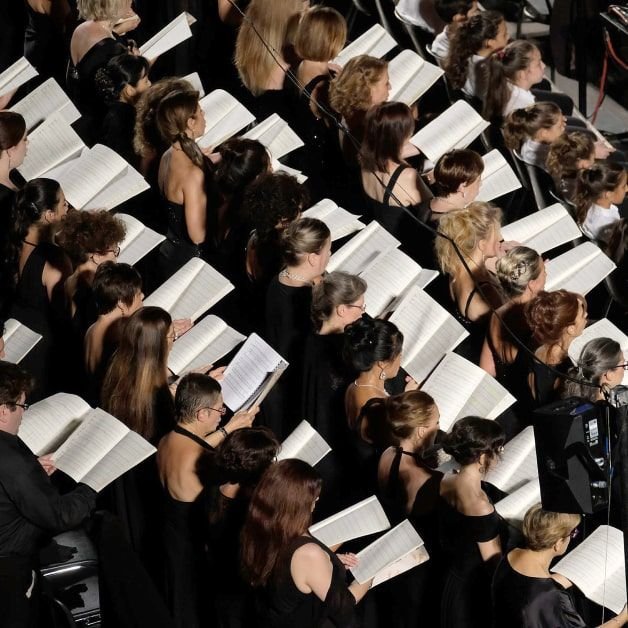
Healing often happens best in community, and both styles foster this in different ways. Contemporary worship often creates a shared “event” experience, where the energy of the crowd can make a person feel less alone in their struggle. Hymns, however, promote a “voice-to-voice” connection. Because they are often sung with less instrumental “noise,” the sound of the congregation becomes the primary instrument. Hearing the person next to you sing the same words of hope can be a deeply healing reminder that you are part of a support system that exists beyond the walls of the church.
A Holistic Approach to Spiritual Health
Ultimately, the question of which “heals more” depends on what the soul needs at that specific moment. A healthy spiritual life often requires a balance of both. Contemporary worship can provide the emotional breakthrough needed to start the healing process, while hymns provide the long-term theological nutrition needed to sustain it. Rather than choosing one over the other, we should see them as a complete “first-aid kit” for the spirit. By valuing both the fresh energy of the new and the proven strength of the old, we find a holistic path to a resilient and peaceful soul.