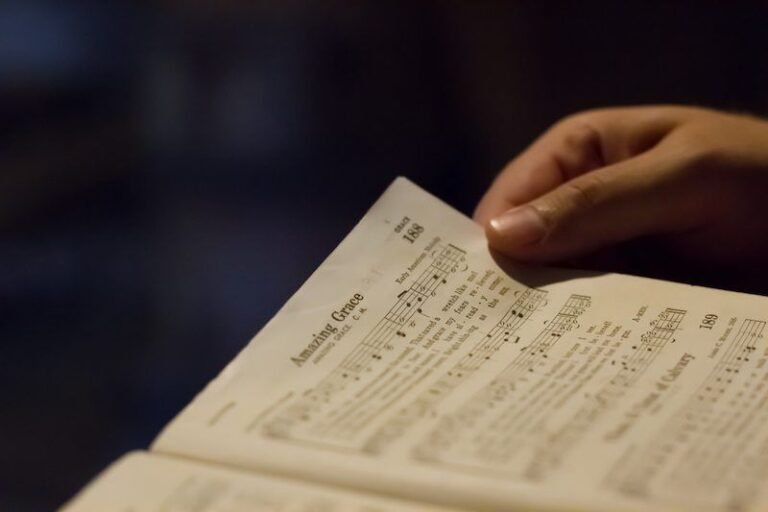
“Amazing Grace” is perhaps the most recognized song in the world, yet its “real meaning” is often obscured by its own popularity. Many people view it as a sentimental anthem or a generic song of hope, but the true weight of the lyrics is found in the extreme contrast between the author’s past and his transformation. John Newton, the man who wrote the words, wasn’t just a “naughty” person; he was a slave trader who actively participated in one of history’s most brutal industries. The “grace” he describes isn’t a light, fluffy feeling it is a shocking, almost scandalous form of forgiveness that reaches someone who considered himself completely beyond redemption.
Grace as a Radical Intervention
When Newton wrote about being a “wretch,” he wasn’t using a poetic exaggeration. In the language of the 18th century, it was a term for someone who had lost their humanity and moral compass. Most people today use the song to celebrate personal achievements or mild “comeback” stories, but the original meaning is about a radical intervention. It suggests that grace is not something we earn through good behavior, but something that finds us when we are at our absolute lowest. Understanding this shift—from earning favor to receiving it as a gift changes the song from a pleasant melody into a profound statement on human value and second chances.
The “Dangers, Toils, and Snares” of Reality
The middle verses of the song, which mention “dangers, toils, and snares,” are often sung without a second thought. However, for Newton, these were literal references to surviving violent storms at sea and the moral entrapment of his profession. To “know” the meaning of the song is to recognize that faith does not exempt a person from the harsh realities of life. Instead, it provides a “firm foundation” that allows a person to navigate those struggles with a sense of purpose. For the modern listener, this means the song is actually a tool for resilience, reminding us that our past failures do not have to dictate our future potential.
From Blindness to Vision
The famous line “I once was lost, but now am found; was blind, but now I see” is frequently interpreted as a general metaphor for “getting your life together.” In reality, this was a specific reference to a “spiritual awakening” that led Newton to eventually become a prominent abolitionist and a mentor to William Wilberforce. The “real meaning” is that true grace always results in a change of direction. It isn’t just about feeling better; it’s about seeing the world and other people differently. This makes the song a professional and ethical recommendation for anyone looking to align their internal beliefs with their external actions.
A Legacy of Universal Resonance
Ultimately, the reason most people might “miss” the deeper meaning is that the song has become so universal that it feels like common property. However, rediscovering its specific roots helps us appreciate why it has such staying power. It is a song about the possibility of total transformation, regardless of one’s background or professional history. By understanding that “Amazing Grace” is a gritty, honest account of a man who was “saved” from a life of cruelty, we can find a deeper, more resilient hope for ourselves. It serves as a reminder that no one is truly “lost” beyond the reach of a sincere change of heart.