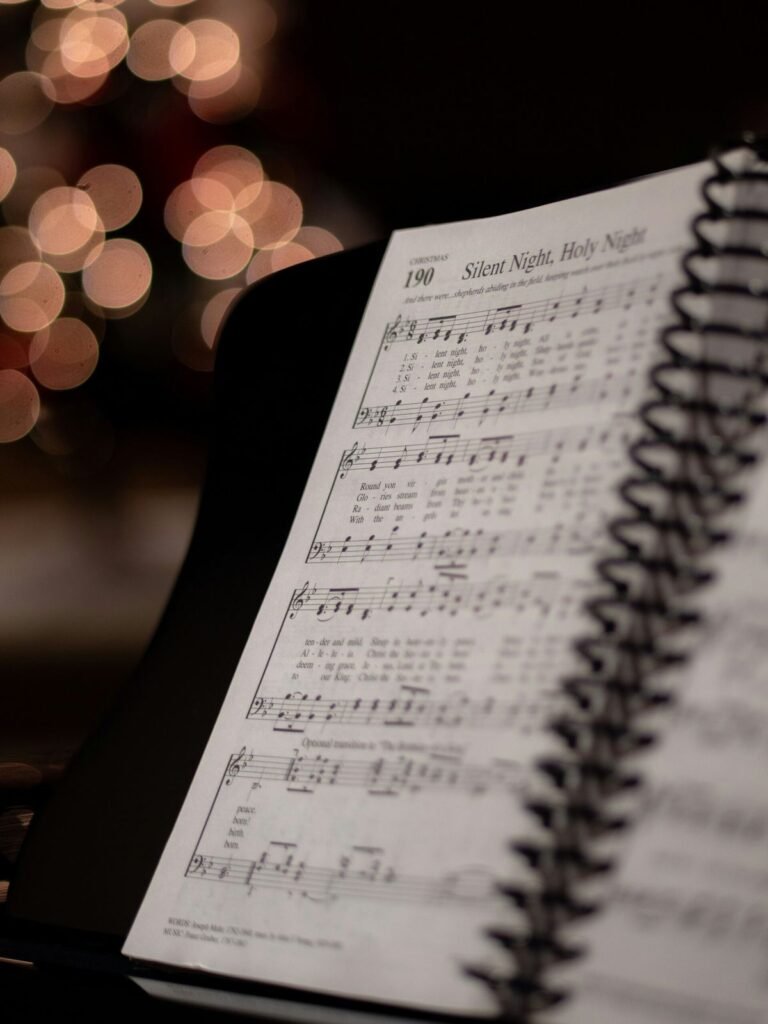
In our fast-paced society, the transition from a high-stress workday to a state of restful sleep is often disrupted by digital stimulation and mental clutter. Many individuals struggle with an “internal noise” that makes quality rest difficult to achieve. Evening hymns serve as a practical, time-tested tool to facilitate this transition, acting as an emotional and mental audit. By intentionally shifting focus from the day’s unresolved tasks to melodies of peace, these songs help lower cortisol levels and signal to the brain that the period of productivity has concluded, paving the way for deep, restorative sleep.
The Physiology of Melodic Relaxation
The benefit of evening hymns extends beyond the psychological into the physical. Classic compositions like Abide with Me or All Praise to Thee, My God, This Night are structurally designed with a slow, deliberate cadence. Engaging with these rhythms—whether through gentle singing or mindful listening—naturally regulates breathing patterns and slows the heart rate. This physical stabilization triggers the parasympathetic nervous system, which is responsible for rest and recovery. Utilizing these specific musical structures before bed is a highly effective, non-pharmacological method for reducing nighttime anxiety and physical tension.
Cognitive Reframing for Nighttime Peace
Anxiety often thrives in the dark, as the mind replays the day’s stressors or projects worries into tomorrow. Evening hymns combat this through cognitive reframing, replacing anxious thoughts with statements of security and permanence. Hymns such as He Will Hold Me Fast or Sun of My Soul focus heavily on themes of protection, oversight, and unchanging care. By filling the mind with these specific concepts before sleep, the singer replaces catastrophic “what-if” scenarios with an objective framework of safety. This mental shift allows the subconscious to process the day from a position of peace rather than fear.
Relinquishing Control through Sacred Poetry
At its core, sleep requires an act of surrender—a willingness to release control over our environment and our schedules. Evening hymns frequently address this dynamic, utilizing poetic verses that explicitly hand over the cares of the world to a higher power. Lyrics like those found in Day Is Dying in the West remind the individual of the natural rhythms of creation, reinforcing the idea that the world will continue to turn even while they rest. This intentional act of relinquishing responsibility allows professionals and busy individuals to let go of the “tyranny of the urgent,” fostering a sense of profound relief.
Establishing a Sustainable Nighttime Ritual
To maximize the benefits of evening hymns, consistency is key. Integrating these songs into a predictable nighttime routine—such as listening to a specific selection while dimming the lights or reading the lyrics as part of an evening reflection—creates a powerful psychological trigger. Over time, the mind associates these specific melodies with the onset of sleep, making the transition faster and more reliable. This simple, cost-effective discipline builds a durable foundation for long-term sleep hygiene and emotional resilience, ensuring you wake up refreshed and ready for the challenges of the next day.