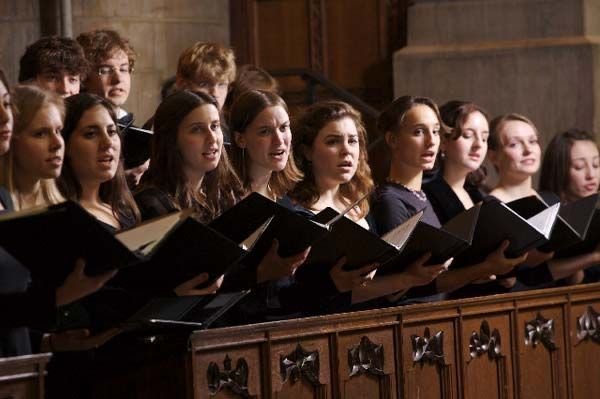
Every Sunday, millions of churchgoers around the world sing the popular 18th-century hymn “Come, Thou Fount of Every Blessing” and stumble over a single, puzzling line: “Here I raise my Ebenezer.” Written by Robert Robinson in 1758, the hymn remains a staple of traditional and modern worship music alike. However, while most of the lyrics speak in clear, heartfelt language about divine grace and gratitude, the word “Ebenezer” routinely leaves modern singers scratching their heads. Today, the name is primarily associated with Charles Dickens’s famous miser, Ebenezer Scrooge, leaving many worshippers wondering why they are singing about a fictional character in the middle of a sacred song.
The Biblical Roots of an Unfamiliar Word
To understand why the word is in the hymn, one must look back to the ancient Hebrew language and a specific story in the Old Testament. The term Ebenezer comes from two Hebrew words: Eben, meaning “stone,” and Ezer, meaning “help.” In the First Book of Samuel, the prophet Samuel placed a large stone between two towns to mark a spot where his people received unexpected help and victory during a difficult time. He named the monument Ebenezer, declaring that the stone would serve as a permanent visual reminder of how far they had been helped and sustained. In short, an Ebenezer is literally a “stone of help.”
How Language Shifts Created Congregational Confusion
The confusion modern singers experience is a natural result of how language evolves over centuries. In 1758, when Robert Robinson composed the hymn, educated churchgoers were far more familiar with Old Testament narratives and symbolic Hebrew terms. Raising a figurative “stone of help” was a vivid, poetic metaphor for stopping to acknowledge past blessings before moving forward into the future. Over time, however, direct knowledge of historical biblical terms faded from popular culture, while Dickens’s 1843 novel A Christmas Carol permanently redefined the word in the public consciousness, transforming a sacred symbol of gratitude into a famous literary character.
The Meaning Behind the Line in the Hymn
When congregations sing “Here I raise my Ebenezer, hither by Thy help I’m come,” they are not referencing a person, but rather declaring a moment of spiritual gratitude. Poet Robert Robinson used the phrase as a creative metaphor for setting up a personal landmark of faith. The line essentially means, “I am pausing right here to build a mental milestone, acknowledging that I have made it this far only because of God’s guidance and assistance.” Understanding this context turns what sounds like an obscure or awkward phrase into one of the most powerful and meaningful statements in the entire hymn.
Why Keeping Historical Lyrics Matters Today
Despite the widespread confusion, hymnal publishers and worship leaders continue to preserve the original phrasing rather than updating it to modern English. Keeping terms like “Ebenezer” serves as an important bridge to historical literature and deepens the singing experience for curious worshippers. When singers take the time to look up the origins of unfamiliar hymn lyrics, they discover rich historical contexts that add fresh meaning to familiar melodies. Ultimately, the presence of this ancient word serves as a helpful reminder that taking time to pause, reflect, and mark life’s major milestones is a timeless practice that transcends generations.