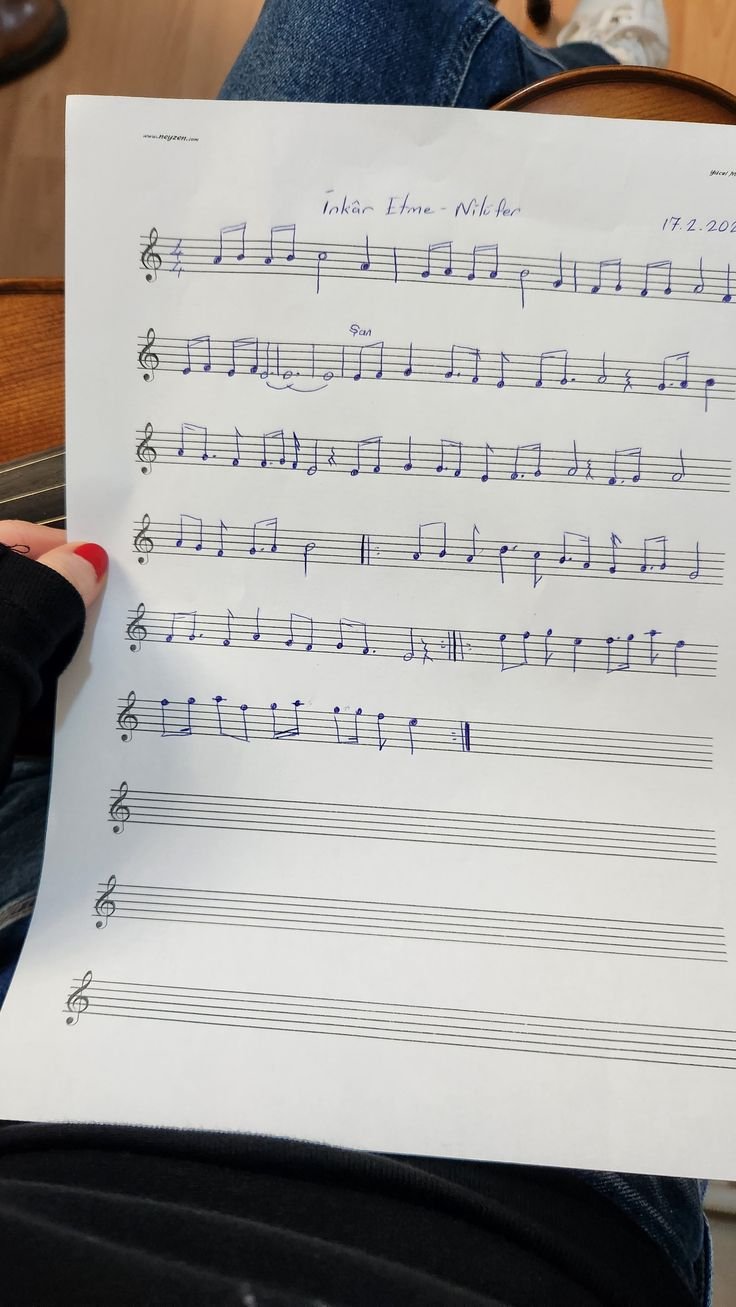
Throughout history, sacred music has served as far more than a background soundtrack for communal worship; it has functioned as a spiritual weapon in times of deep personal and collective distress. The concept of “spiritual warfare” hymns refers to songs specifically crafted to confront despair, fear, and adversity with bold statements of faith. Rather than offering passive comfort, these compositions use strong meters, decisive melodic lines, and triumphant lyrics to fortify the human spirit, acting as a powerful defense against life’s heaviest trials.
Historical Anthems of Courage and Faith
The tradition of combat-ready sacred music reached a defining peak during the Protestant Reformation, most notably with Martin Luther’s 16th-century hymn, “A Mighty Fortress Is Our God.” Written during a period of intense religious and political upheaval, the hymn draws directly from Psalm 46, framing faith as an impenetrable fortress against spiritual forces of darkness. Its steady, march-like rhythm and unyielding harmonic structure were designed to instill immediate confidence in singer and listener alike, demonstrating how music can transform abstract theology into an enduring rally cry.
The Psychology of Rhythmic Fortitude
Beyond their theological themes, spiritual warfare hymns rely on specific musical elements to alter the listener’s psychological and emotional state. Bright major keys, marching tempos, and resonant brass or organ arrangements naturally raise heart rates and heighten focus. When individuals sing these strong, ascending melodies together, it creates a sense of shared strength and collective endurance. The physical act of singing bold declarations drives away feelings of isolation, replacing anxiety with a unified, resolute sense of purpose.
Lyrics Built on Victory and Resilience
What distinguishes warfare hymns from standard devotional songs is their sharp focus on victory over adversity. Hymns like “Onward, Christian Soldiers” and “Stand Up, Stand Up for Jesus” utilize vivid military imagery—swords, shields, banners, and battle lines—to articulate inner struggles against doubt, grief, and moral compromise. By framing spiritual trial as a conquerable battle rather than an inevitable defeat, the lyrics equip people with the mental resilience required to persevere through difficult seasons.
Why Spiritual Warfare Anthems Endure Today
In the modern era, the enduring appeal of these powerful hymns lies in their ability to speak to universal human experiences of suffering and hope. Whether facing personal crises, societal instability, or quiet internal conflicts, listeners continue to find strength in songs that face darkness directly without blinking. By uniting robust musical composition with timeless themes of triumph, spiritual warfare hymns remain a vital source of courage, proving that music remains one of humanity’s most effective tools for pushing back the shadows.