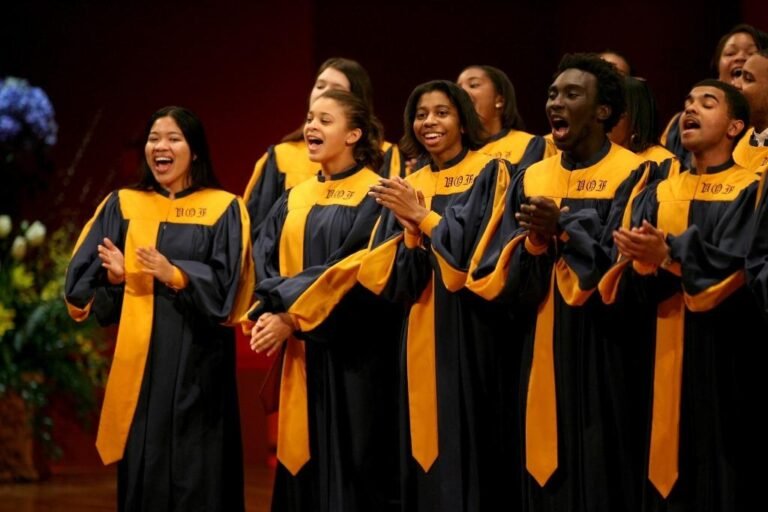
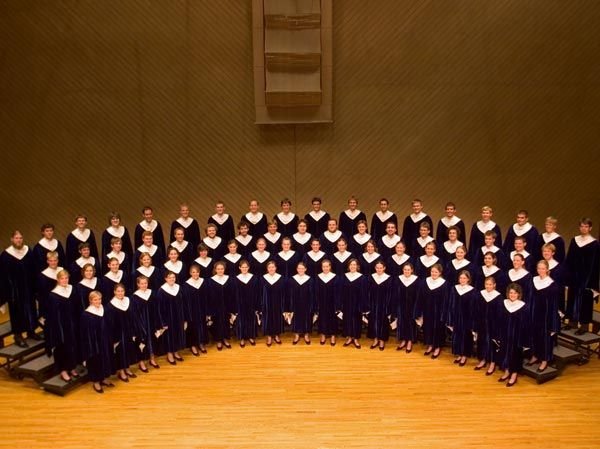
For decades, modern evangelical worship was heavily characterized by fast-paced, high-energy songs focused primarily on victory, joy, and triumph. While these uplifting themes built an encouraging environment, they often left little room for processing personal suffering, grief, or systemic pain. Recently, a significant cultural shift has emerged as congregations begin re-integrating hymns of lament into their weekly services. Rather than viewing sorrow as a lack of faith, church leaders are recognizing that expressively acknowledging hardship is a vital component of spiritual and emotional health. This movement marks a transition from relentless optimism to a more grounded, authentic form of worship.
The Psychological Value of Expressing Pain
From a mental health perspective, the resurgence of lament offers a necessary tool for emotional regulation and psychological safety. Suppressing difficult emotions—a phenomenon often referred to as toxic positivity—can lead to increased stress, anxiety, and eventual burnout. Traditional hymns of lament, such as “Abide With Me” or “O Sacred Head, Now Wounded,” give individuals a structured, pre-written vocabulary to articulate their struggles. Singing these reflective pieces provides a safe outlet for grief, allowing participants to bring their honest pain into a supportive community rather than enduring it in isolation.
The Biblical Architecture of Sorrow
The return to lament is not an innovation, but a rediscovery of an ancient biblical practice. A vast portion of the Scriptures, including nearly a third of the Book of Psalms, is dedicated to expressions of grief, questioning, and waiting. Hymns of lament follow a specific, time-tested framework: they begin with an honest complaint, move into an expression of trust, and conclude with a quiet anchor of hope. By reintroducing these historical patterns, modern evangelical churches are broadening their theological depth, teaching members how to navigate seasons of uncertainty without abandoning their core values.
Building Multi-Generational Community Resilience
High-energy praise music often appeals to specific demographics, but hymns of lament carry a unique ability to bridge generational divides. Pain is a universal human experience that touches everyone, regardless of age or background. When a multi-generational congregation sings about endurance and hope amidst suffering, it fosters deep empathy across the room. Older members who have navigated decades of trial can stand alongside younger individuals facing new challenges, offering a visual and audible reminder of endurance. This shared vulnerability strengthens community ties, turning the local church into a resilient support network.
A Recommended Framework for Balanced Worship
For church leaders, educators, and music directors, incorporating hymns of lament into modern services is a highly recommended practice for cultivating long-term spiritual maturity. Achieving a healthy balance requires intentionality—combining songs of celebration with space for quiet, honest reflection. By normalizing grief and providing room for tears alongside joy, communities build a robust internal sanctuary that can withstand real-world crises. Ultimately, the comeback of lament proves that true resilience is not found in pretending everything is perfect, but in discovering peace together in the middle of life’s hardest moments.