Music has a remarkable ability to shape our emotions, but few elements influence a song’s mood as dramatically as tempo. While tempo changes can transform modern pop or classical pieces, sacred hymns are particularly sensitive to speed. A single piece of music can evoke quiet reverence when sung slowly, yet feel like an upbeat celebration—or even a rushed march—when the tempo picks up. Among the vast library of traditional church music, certain hymns undergo such radical transformations when performed at the wrong speed that they become almost unrecognizable in tone and meaning to the listener.
The Famous Hymn That Changes Character with Speed
The classic hymn “Amazing Grace” serves as one of the most striking examples of how tempo completely alters musical identity. Written in 1779 by John Newton, the hymn was originally intended as a reflective, meditative prayer expressing deep humility and gratitude. When played at a traditional, measured pace, the long, sweeping notes create an atmosphere of quiet contemplation and emotional weight. However, when congregations or performers speed up the tempo—often to make the service feel more energetic—the song’s soulful, introspective nature disappears, replaced by a light, almost festive rhythm that shifts the focus away from its poignant origins.
How Musical Meter Alters Our Perception
The dramatic change in mood caused by tempo comes down to how human psychology responds to musical meter and time signatures. “Amazing Grace” is written in triple meter ($3/4$ time), a rhythmic structure shared by both slow lullabies and fast, lively waltzes. When sung at a slow pace, the three-beat cycle creates a natural, breathing rhythm that allows the lyrics time to resonate. When the tempo is doubled, that exact same $3/4$ time signature turns the hymn into a bouncy waltz. Without altering a single note or word, speeding up the music transforms a solemn reflection on redemption into a surprisingly breezy melody.
The Practical Consequences of Getting the Speed Wrong
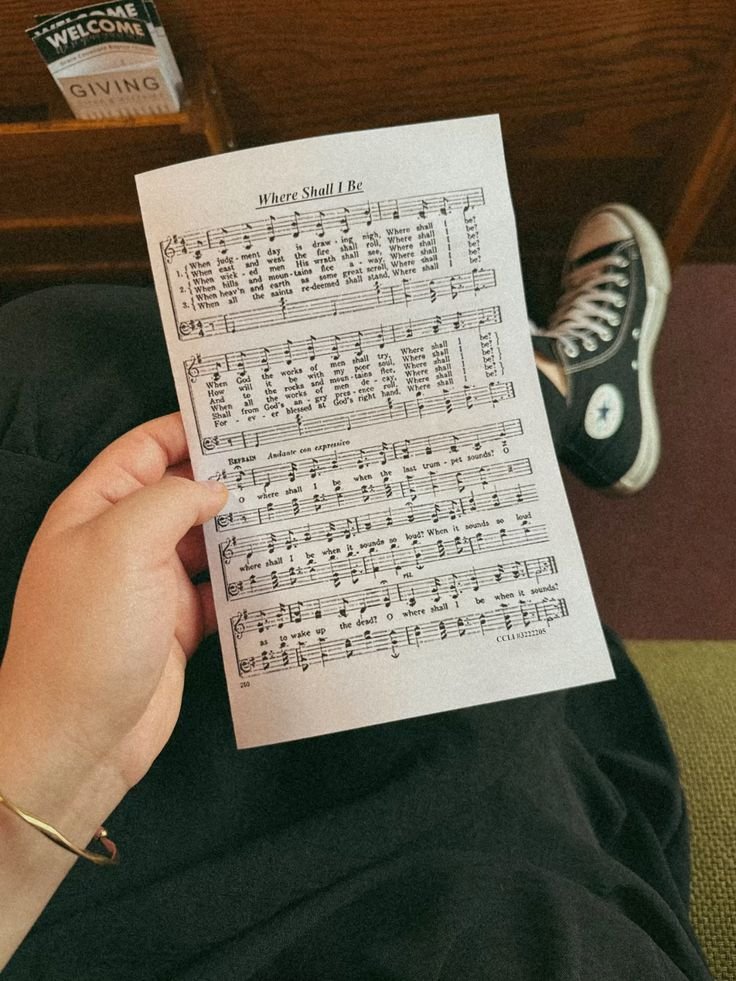
Mistaking the speed of a hymn creates real challenges for both worship leaders and congregations. If a choir or organist plays a contemplative hymn too fast, singers struggle to pronounce the words naturally, and the emotional message of the text gets lost in the rush. Conversely, dragging a joyful, high-energy hymn like “Joy to the World” at a painfully slow speed drains its enthusiasm and turns an uplifted celebration into a tedious chore. Striking the correct tempo is not just a matter of musical preference; it is essential for preserving the true intent and emotional heart of the piece.
Why Tempo Mastery Matters for Great Music
The dramatic transformation of hymns at different speeds offers a lasting lesson in musical presentation and communication. Whether executing a centuries-old melody or delivering a modern public presentation, pace dictates how an audience receives a message. By honoring the intended tempo of a piece, performers ensure that the song retains its original beauty, depth, and purpose. Ultimately, understanding the power of speed proves that in music, how you deliver a message is just as important as the message itself.