Long before digital media allowed music to travel around the globe in seconds, a single Christian hymn embarked on an incredible physical journey across three vast oceans before it ever appeared on the printed page of an official hymnal. Created during an era of tall ships, global exploration, and turbulent sea voyages, this sacred song was written not in a quiet study, but on the deck of a vessel navigating unpredictable international waters. The hymn spent years traveling with sailors, missionaries, and merchants across the Atlantic, Indian, and Pacific Oceans. It survived storms, shipwrecks, and long months at sea, passing orally from crew to crew long before a publisher bound it into a book.
How Maritime Networks Spread Sacred Music
The journey of a hymn across three oceans relies on the unique social network of historical maritime travel. During the eighteenth and nineteenth centuries, ships functioned as floating communities where cultural traditions, folk songs, and religious texts were shared during months at sea. When sailors transferred between merchant vessels or whaling ships at major global ports, they carried these melodies and lyrics in their memories. This oral tradition allowed the song to leap from the Atlantic, round the dangerous capes into the Indian Ocean, and eventually navigate the vast expanses of the Pacific, constantly adapting to new voices and languages at every port of call.
The Preservation of Lyrics Through Oral Tradition
Preserving a complex musical work across thousands of miles without a written text requires exceptional clarity and emotional weight. As the hymn traversed different continents and cultures, its core lyrics remained intact because they spoke to universal human experiences—hope, safety, protection, and gratitude. Sailors sang it during nighttime watches, missionaries translated its verses for coastal communities in the Indo-Pacific, and immigrant families sung it in ship holds seeking new lives. By the time the song reached continental publishing houses, it had already been sung in dozen of ports across multiple hemispheres, earning a permanent place in the hearts of diverse congregations.
From Nautical Tradition to the Official Hymnal
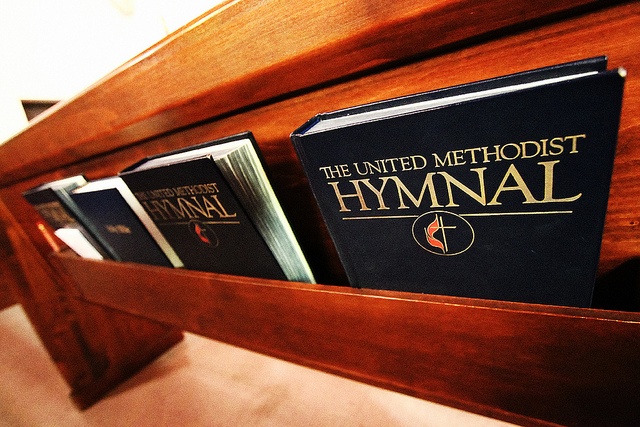
When hymnal editors finally compiled the song into a permanent print edition, they were not introducing a new piece of music; they were documenting a global phenomenon. Printing the hymn transformed a fluid, maritime folk tradition into an standardized sacred text for generations to come. Scholars and editors painstakingly collected variants of the text gathered from ship logs, personal journals, and local church records around the world to assemble the definitive version. Its inclusion in formal hymnals marked a historic transition, turning an oceanic anthem into an enduring staple of church music around the globe.
A Timeless Legacy of Connected Cultures
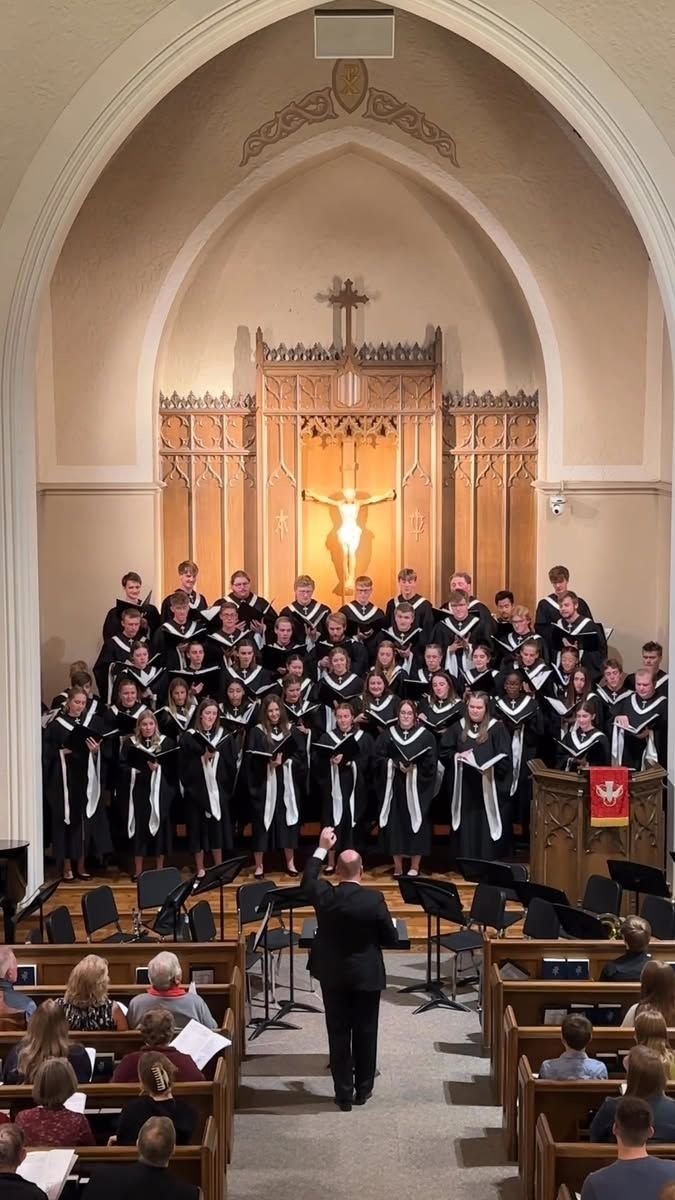
The remarkable story of the hymn that crossed three oceans serves as a powerful reminder of how art and faith transcend geographical boundaries. It highlights the surprising ways cultural works moved across the world during the age of sail, uniting people across vastly different continents before modern technology existed. Today, when congregations sing these timeless verses, they are participating in a legacy forged by sailors, travelers, and diverse communities across the globe. The journey of this hymn proves that when a message resonates with human needs, no ocean is too wide to cross.