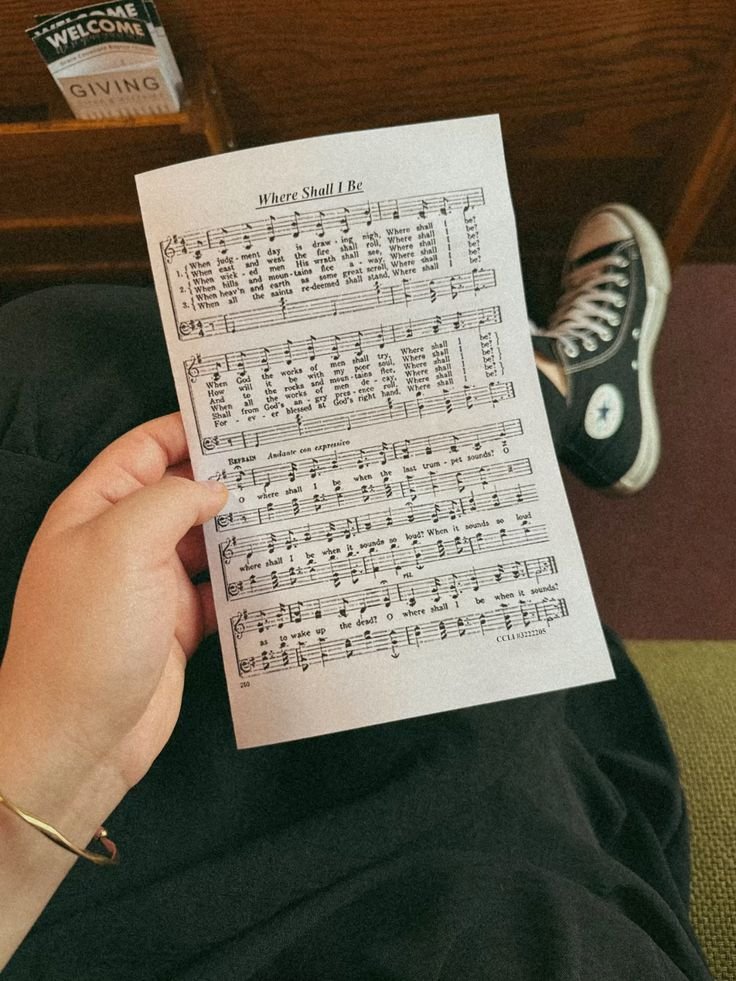
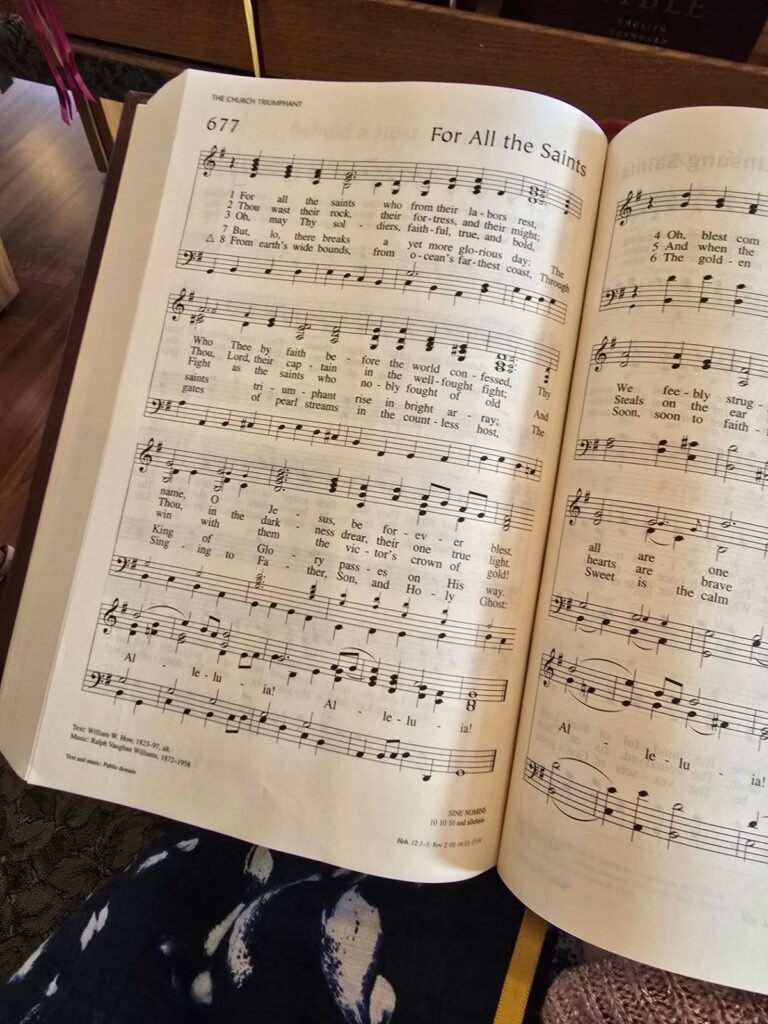
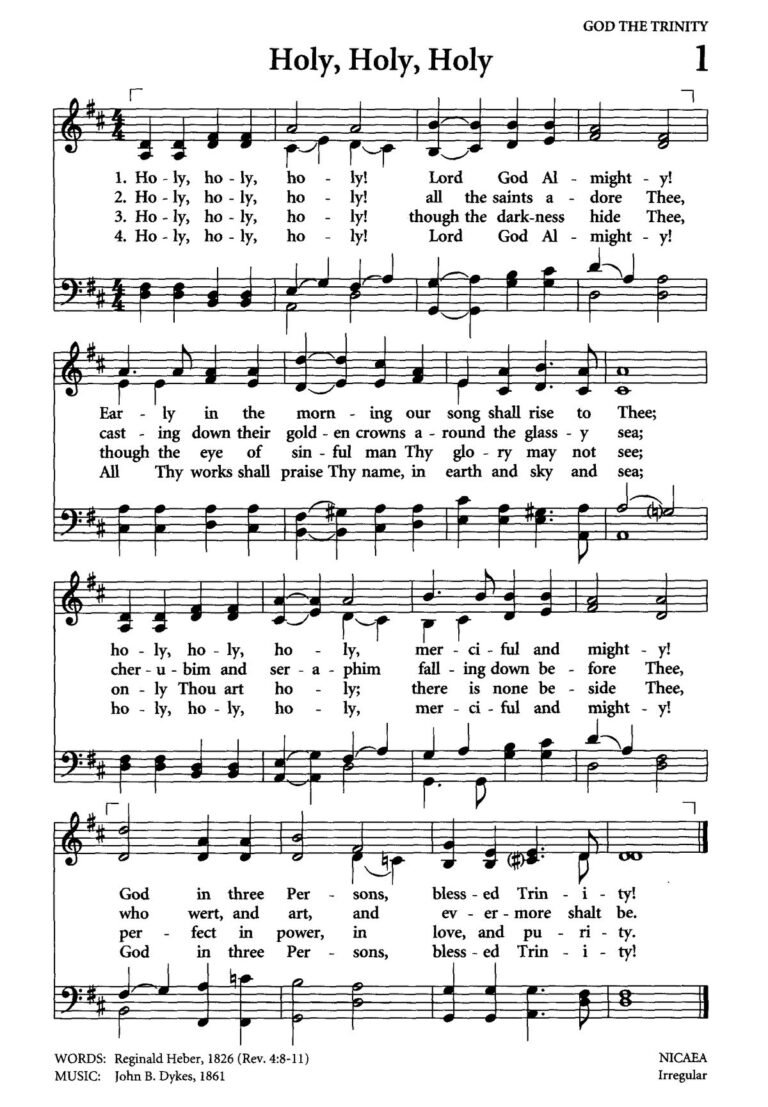
When we face profound loss, we often find that our everyday vocabulary is insufficient to express the depth of our pain. Grief is a complex, heavy emotion that can leave us feeling “wordless” and isolated. In these moments, hymns step in to provide a voice for the voiceless. Because hymns were often forged in the fires of personal tragedy, they possess a unique ability to articulate what the human heart feels but the mouth cannot say. They offer a pre-made “language of the soul” that allows us to express our sorrow without the exhausting effort of searching for the right words.
A Sturdy Framework for Sorrow
Grief can feel like a chaotic storm that pulls us in every direction, but hymns act as a structural anchor. The steady rhythm, predictable rhyme schemes, and melodic patterns of ancient songs provide a sense of order when life feels falling apart. This structure is more than just musical; it is psychological. By singing or listening to a hymn, the griever is gently guided through a process of reflection. The “ordered” nature of the music helps to contain the “disordered” feelings of loss, offering a safe container where one can sit with their sadness without being overwhelmed by it.
Connection to a Legacy of Resilience
One of the most comforting aspects of hymns in times of grief is their history. Many of the most beloved hymns were written by people who survived immense suffering—from the loss of children to the devastation of war. When we sing these songs, we are reminded that we are not the first to walk through the valley of the shadow of death. This connection to a “legacy of resilience” provides a professional-grade source of hope. It assures the griever that while their pain is real and deep, it is also a path that others have successfully navigated, leaving behind these songs as “markers” to help others find their way.
The Physiology of Lament
There is a physical power in hymns that is particularly effective for those who are grieving. Grief often manifests as a tightness in the chest or a shortness of breath. The act of singing requires deep, controlled breathing, which naturally helps to regulate the nervous system and lower stress hormones. Furthermore, hymns often include “lament”—a healthy form of spiritual complaining that validates our pain. By physically vocalizing our grief through song, we are able to release pent-up emotional energy in a way that is both healing and restorative, making it a holistic tool for recovery.
A Bridge to Eventual Peace
Ultimately, hymns serve as a bridge between the initial shock of loss and the eventual arrival of peace. They do not rush the grieving process; instead, they walk alongside the individual, acknowledging the darkness while slowly pointing toward the light. Because hymns are durable and memorable, they stay with us long after the funeral or the initial crisis has passed. They become “portable sanctuaries” that we can carry in our minds. By anchoring our grief in timeless truths and beautiful melodies, hymns ensure that our journey through loss leads toward a place of resilience and renewed strength.