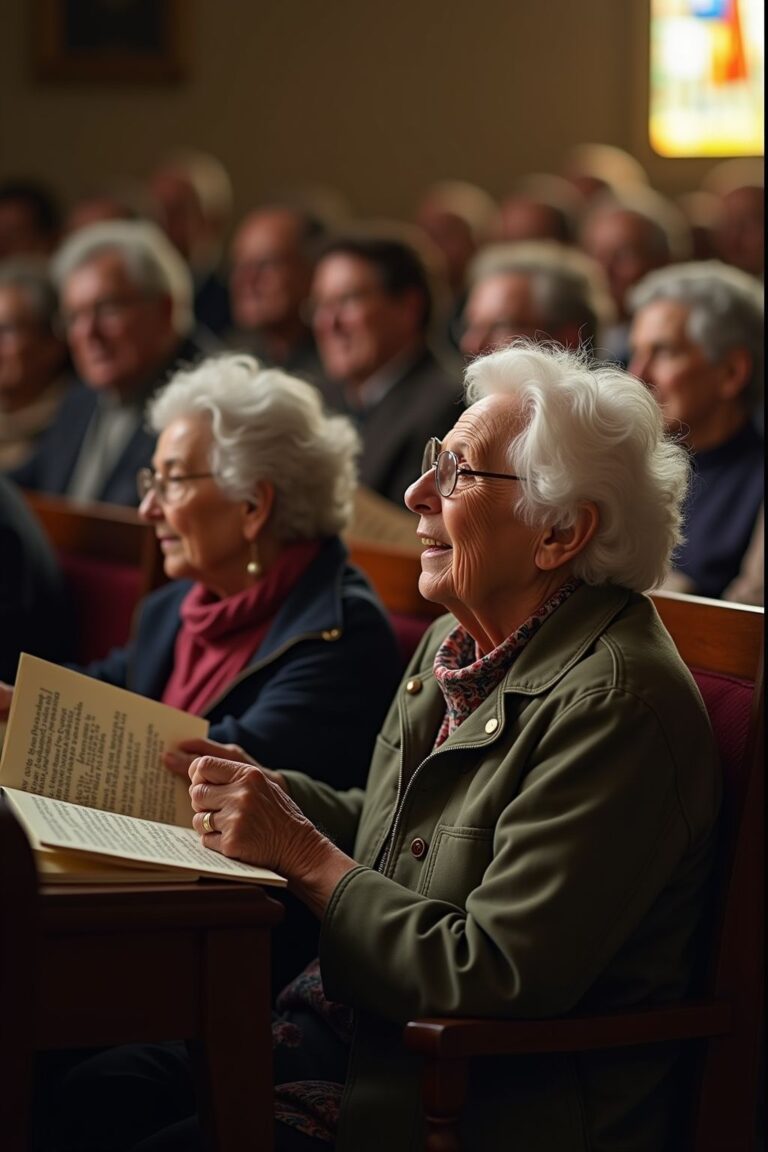
For many believers, the “holiness” of a hymn is deeply tied to its sense of permanence. Unlike modern songs that may trend for a few months before being replaced, hymns have often survived for centuries. This longevity creates a spiritual bridge between the present and the past, connecting the singer to a long line of practitioners who have voiced the same words through history. When a person sings a melody that their grandparents and perhaps even their great-grandparents—sang, it creates a sense of “sacred time” that feels distinct from the fast-paced, disposable nature of modern culture.
A Focus on Divine Character
One reason hymns often feel more “set apart” is their lyrical focus. While many contemporary worship songs are written in the first person, focusing on an individual’s feelings or experiences (“I feel,” “I need”), hymns tend to be “Theocentric,” or God-centered. They often spend several verses detailing the attributes of the Divine such as holiness, sovereignty, or eternal nature before ever mentioning the human response. This shift in focus from the “self” to the “Creator” creates a more reverent atmosphere, helping the worshiper feel like they are participating in something much larger and more significant than their own emotions.
The Influence of Sacred Space and Sound
The instruments and musical structures used in hymns also play a major role in how they are perceived. The pipe organ, the piano, or even a simple four-part harmony naturally evoke a “cathedral” or “church” environment in the mind. Because these sounds are rarely heard in secular pop music or on the radio, the brain immediately categorizes them as “sacred.” This musical “otherness” signals to the listener that they are entering a different kind of space, one dedicated to reflection and worship, which naturally enhances the feeling of holiness.
Poetry and the Weight of Words
Hymns are often prized for their “architectural” beauty the way the poetry is constructed to carry deep meaning in a compact form. The use of rich, formal language and metaphors provides a “weight” to the lyrics that simple prose often lacks. This intellectual depth doesn’t make them less emotional; rather, it provides a stable foundation for the emotions to rest upon. For many, the beauty of a well-crafted stanza feels like a respectful offering, suggesting that the most important truths of life deserve to be expressed with the highest level of care and artistic integrity.
The Communal Voice vs. The Soloist
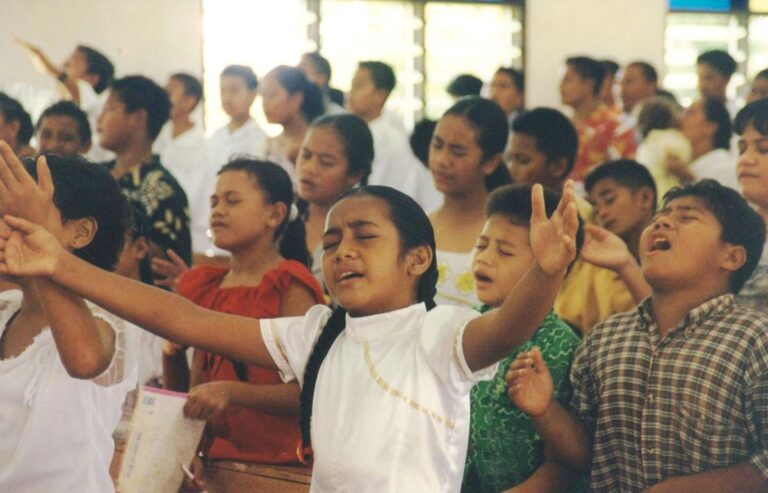
Finally, hymns feel holier to many because they emphasize the “priesthood of all believers” rather than a single leader. Most hymns are written with a melodic range that is easy for a large group of non-professionals to sing together. There is no “performer” and no “audience”; there is only a unified, communal voice. This lack of a central “star” or soloist on a stage removes the distractions of personality and fame, allowing the focus to remain entirely on the act of worship. For the participant, being part of a “united sound” is a profound experience that makes the environment feel truly sacred and communal.