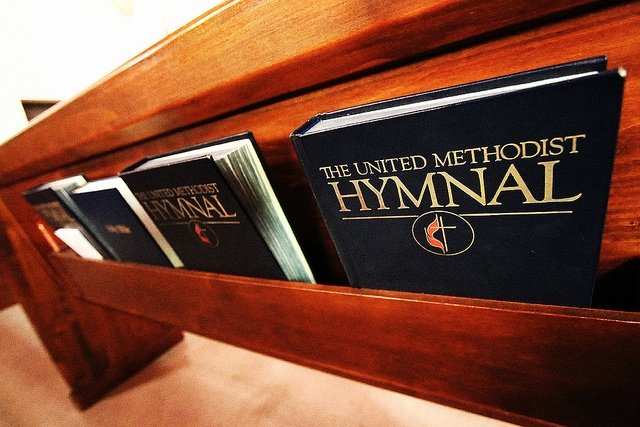
The hymn “It Is Well With My Soul” is more than a classic piece of music; it is a profound exercise in cognitive behavioral resilience. Written by Horatio Spafford after the tragic loss of his four daughters at sea, the lyrics serve as a “hidden therapy” for anyone navigating extreme grief or anxiety. The opening line, “When peace like a river attendeth my way,” establishes a baseline of calm, but it is immediately followed by “When sorrows like sea billows roll.” This structure teaches us the first rule of emotional health: acknowledging that peace and pain often exist at the same time. By naming the “billows,” the singer stops running from their feelings and starts processing them.
The Power of “Even So”
In the second half of the first verse, Spafford writes, “Whatever my lot, Thou hast taught me to say, It is well, it is well with my soul.” This is a professional-grade technique known as “radical acceptance.” It does not mean the situation is good, but rather that the individual has decided to remain stable despite the situation. The phrase “Thou hast taught me” is key; it implies that this kind of peace is a learned skill, not a natural reflex. By repeating “It is well,” the singer utilizes a rhythmic affirmation that helps lower the body’s stress response and anchors the mind in a state of intentional composure.
Reframing Guilt and Shame
The third verse moves from external tragedy to internal peace: “My sin, oh, the bliss of this glorious thought! My sin, not in part but the whole, is nailed to the cross, and I bear it no more.” For many, anxiety is fueled by past mistakes or a sense of unworthiness. This line acts as a therapeutic release of guilt. By visualizing the “nailing” of these burdens elsewhere, the singer practices “externalization” separating their identity from their failures. This mental shift provides an incredible sense of relief, clearing the “emotional clutter” that often prevents people from healing after a traumatic event.
Shifting Focus from the Present to the Future
The final verses of the hymn move the singer’s gaze from their current circumstances toward a hopeful future: “And Lord, haste the day when my faith shall be sight.” In psychology, this is known as “future-oriented coping.” When the present moment feels unbearable, human beings need a “horizon” to look toward. By focusing on an ultimate resolution, the hymn prevents the singer from becoming “stuck” in their current pain. It teaches the mind to look past the immediate “clouds” to the “trump of the angel,” providing a sense of purpose and direction that is essential for long-term mental endurance.
The Anatomy of Resilience
Ultimately, the therapy hidden inside this hymn is found in its perfect balance of honesty and hope. It doesn’t ask the singer to pretend they aren’t hurting; instead, it provides a structured way to carry that hurt. By moving from the “sea billows” of the present to the “glorious thought” of the past and the “blessed hope” of the future, it covers the entire spectrum of the human experience. For any professional or individual facing a season of high pressure, this hymn offers a durable, time-tested framework for maintaining a “well soul” in a chaotic world.