In the depths of suffering, articulate speech often fails, leaving a void that hymns are uniquely equipped to fill. While prose can feel too clinical and silence too heavy, the hymn provides a structured “language of lament” that validates the reality of pain while preventing it from becoming aimless. These songs do not ignore the darkness; instead, they offer a framework to process grief, loss, and physical trial. By giving voice to the “groanings too deep for words,” hymns allow the sufferer to express complex emotions within a safe, historical, and communal tradition, ensuring that their pain is acknowledged rather than suppressed.
A Sanctuary of Perspective
Suffering has a way of narrowing the vision, making the immediate trial seem like the totality of existence. Hymns act as a theological lens, widening that perspective to include a broader horizon of hope. By echoing the stories of those who have walked through similar “valleys of the shadow,” music reminds the individual that their current experience is a chapter, not the entire book. This shift in perspective is not a form of escapism, but a vital cognitive realignment. It anchors the restless mind in unchanging truths, providing a sense of stability when external circumstances are in total flux.
The Physicality of Peace
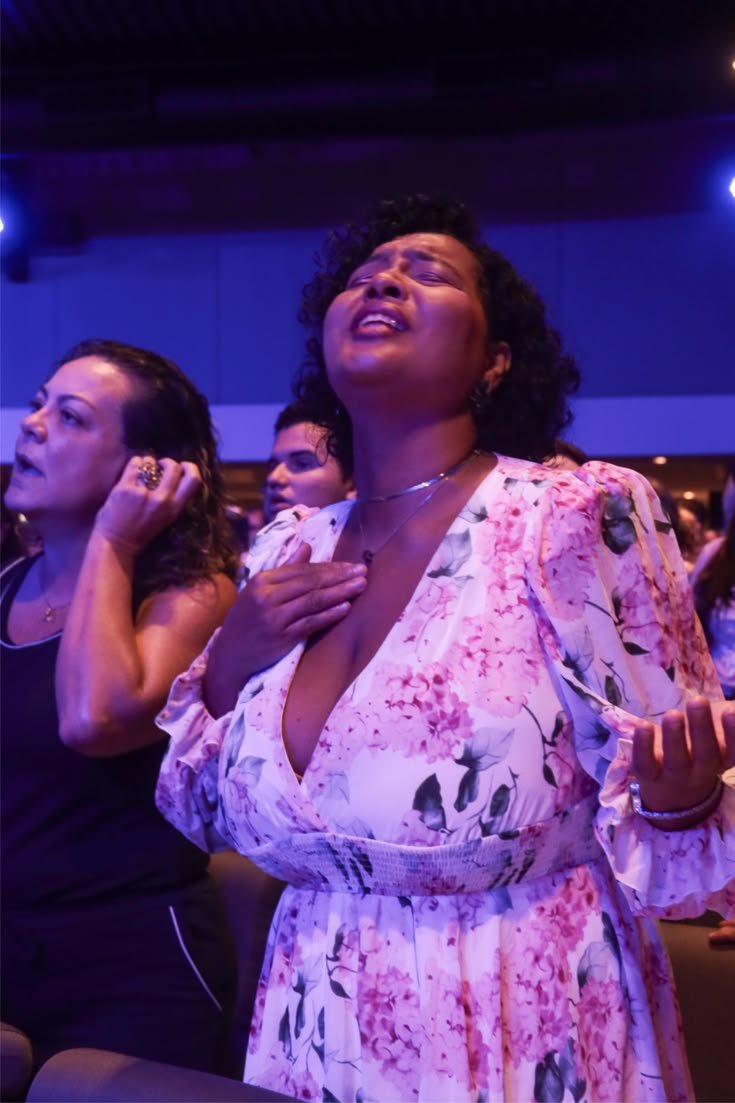
The act of singing itself offers a unique physiological benefit during times of distress. Engaging the breath, the vocal cords, and the rhythmic centers of the brain can physically lower stress markers and regulate an overwhelmed nervous system. When a person in pain sings a hymn, the melody acts as a carrier for the truth, bypassing the intellectual barriers often raised by trauma. This physical engagement creates a “visceral theology” where the body and the spirit cooperate in the process of healing. The melody provides a gentle path back to a state of calm, even when the “storms of life” continue to rage externally.
The Invisible Choir of Community
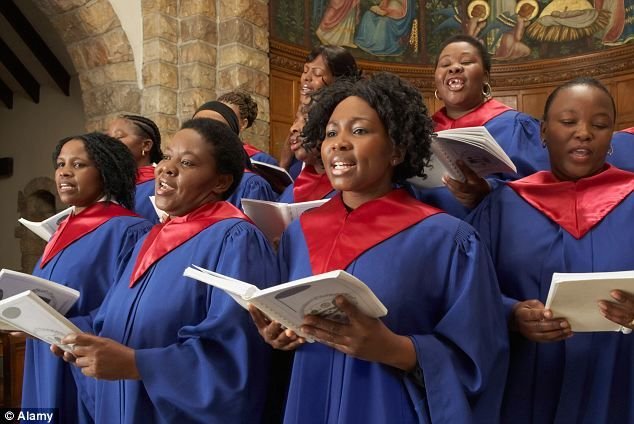
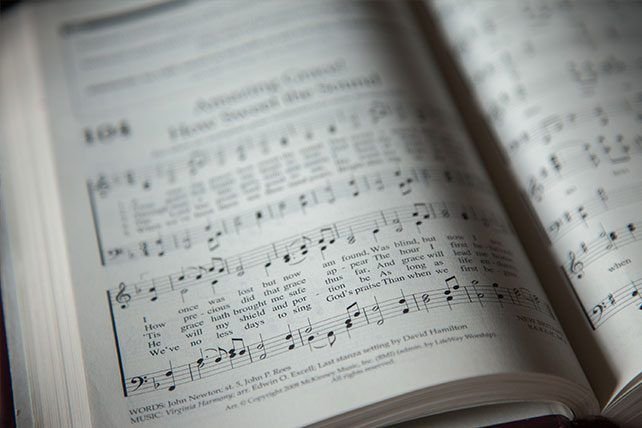
Pain is inherently isolating, often creating a sense of being uniquely forsaken. However, hymns are fundamentally communal assets. When an individual sings a hymn in solitude, they are joining an “invisible choir” of millions who have sung those same words across centuries. This connection to the “cloud of witnesses” shatters the illusion of isolation. Knowing that a particular verse was written in the wake of a shipwreck or from a prison cell provides a profound sense of solidarity. The hymn becomes a bridge, connecting the lonely sufferer to a global and historical family of faith that stands as a testament to endurance.
Preserving Hope for the Future
Ultimately, the purpose of hymns in suffering is the preservation of hope until the heart is ready to feel it again. In the darkest moments, a believer may not be able to muster a sense of joy, but they can still sing the words that promise its return. Hymns serve as a “repository of faith,” holding onto certainties on behalf of the person whose strength is currently depleted. They act as a spiritual anchor, ensuring that when the tide of suffering eventually recedes, the individual remains grounded in their identity and purpose. In this way, hymns are not just songs for the good times, but essential survival tools for the hardest ones.