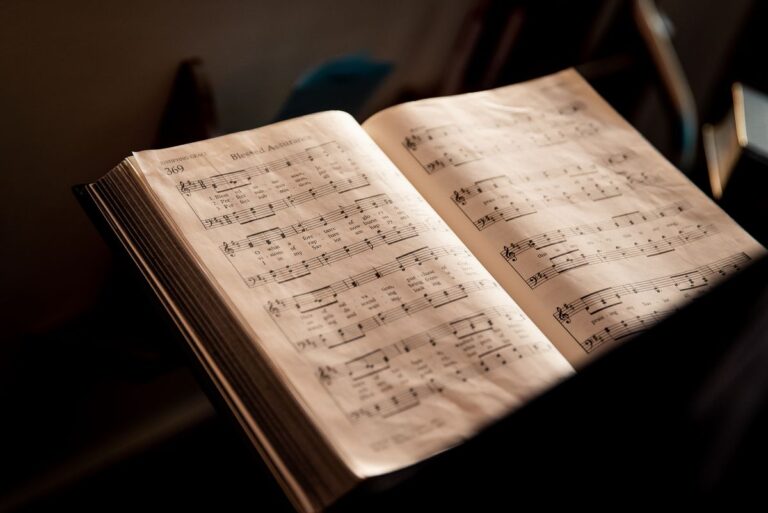
In ancient times, the Psalms served as the original “songbook” of the faith, where the actual words of the text were set to simple chants and rhythms. This practice was born out of a practical necessity: in a world where books were rare and many were unable to read, music became the primary vehicle for memorizing the Word.
The Art of Metrical Translation
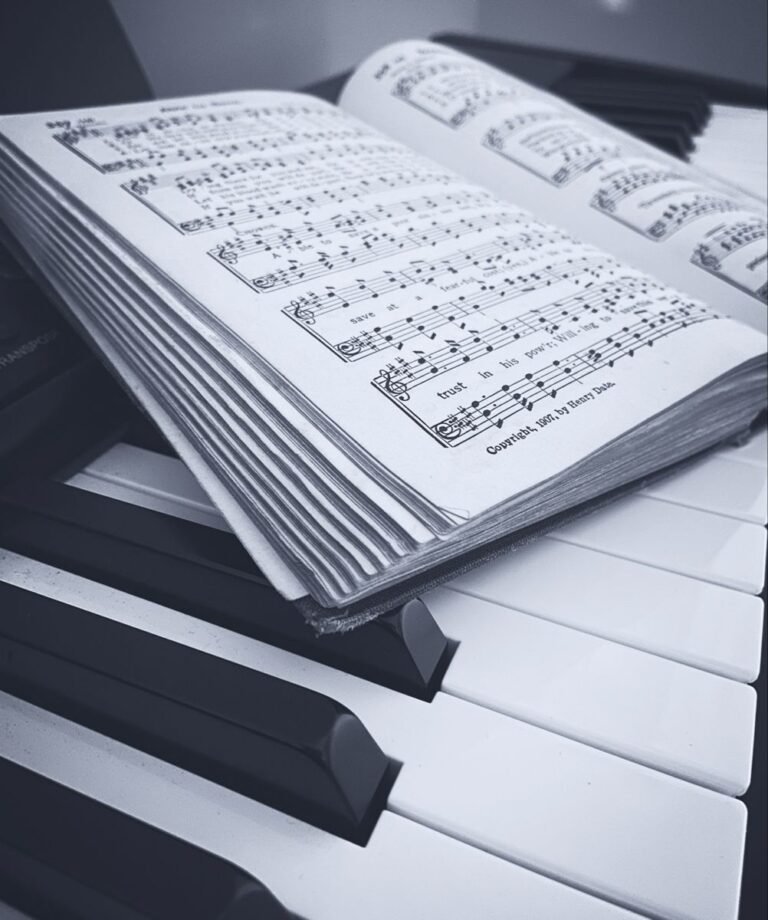
As language and culture evolved, the process of turning Scripture into worship songs required a technique known as “metrical paraphrasing.” This made the text “singable” for a general congregation.
The Shift to Subjective Response
In the 18th and 19th centuries, the evolution of worship songs took a significant turn with the rise of the modern hymn. Writers like Isaac Watts and Charles Wesley began to move beyond “word-for-word” scripture chanting toward songs that expressed a human response to the text. These “hymns of human composure” would take a single biblical theme—like the grace described in the Epistles or the holiness found in Revelation—and expand upon it with emotional depth. This transition allowed worship to move from the repetition of facts to a personal conversation, where the singer could express how the ancient words applied to their current life and struggles.
The Modern “Scripture Song”
In recent decades, there has been a resurgence in what many call “Scripture Songs,” where modern composers return to using direct, verbatim verses set to contemporary melodies. This trend bridges the gap between the ancient chant and the modern pop ballad. By using modern production and relatable rhythms, these songs make the memorization of Scripture feel effortless. In a professional context, these songs act as a mental “refresh button,” providing a way for busy individuals to keep the text at the forefront of their minds throughout the workday. It is a seamless blend of ancient wisdom and modern convenience.
A Legacy of Continuous Revelation
Ultimately, the transformation of Scripture into song is a testament to the Bible’s status as a “living” text. It shows that the truths of the faith are not static; they are meant to be expressed, felt, and shared through the universal language of music. Whether it is a thousand-year-old chant or a new composition based on a specific verse, the goal remains the same: to make the Word of God dwell “richly” within the people.