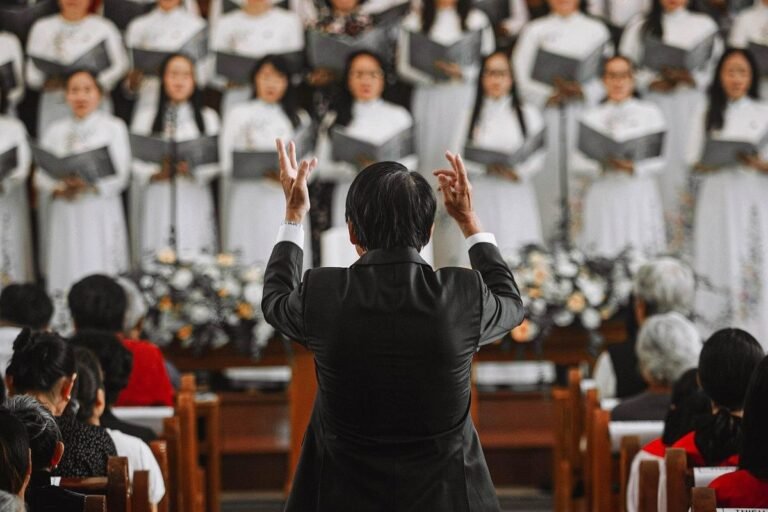
In the structure of a worship service, corporate confession is often one of the most delicate moments. Asking an entire room of individuals to acknowledge personal shortcomings and collective failures can easily feel abrasive or uncomfortable if handled poorly. This is where the strategic use of hymns becomes invaluable. Music acts as a gentle buffer, framing vulnerable truths within beautiful, structured melodies. By setting moments of confession to music, church leaders transform what could be an intimidating exercise into an inviting, communal experience, allowing people to approach difficult realities with grace and emotional safety.
Removing the Isolation of Personal Failure
Struggling with personal guilt or moral failure often breeds a profound sense of isolation. When confession is conducted purely through spoken monologue or quiet individual prayer, participants can feel alone in their regret. Singing a hymn of confession—such as “Rock of Ages” or “Depth of Mercy”—instantly shatters that isolation. As voices blend across the room, individuals are physically reminded that vulnerability is a universal human experience. Hearing neighbors sing the exact same words of honesty normalizes the process of self-reflection, creating a supportive environment where accountability leads to community connection rather than shame.
The Cognitive Power of Poetic Scripts
Formulating the right words to express deep regret or a desire for personal growth can be cognitively demanding. During times of distress or guilt, people often lack the vocabulary to articulate their internal state. Hymns solve this problem by providing a pre-written, poetically crafted script for the human heart. Classic writers excelled at balancing the reality of human fallibility with the hope of renewal in clear, accessible terms. When a congregation sings these time-tested stanzas together, they are given a precise language for their emotions, enabling them to process complex feelings without the cognitive burden of trying to put them into words on the spot.
Bridging Sorrow and Restoration
A well-chosen hymn of confession does not leave the singer stuck in a state of sorrow; it creates a natural bridge from regret to restoration. Musically and lyrically, traditional hymns are built to resolve. A stanza that acknowledges human weakness is almost always followed by a stanza that declares forgiveness, hope, and a fresh start. Songs like “Come, Ye Sinners, Poor and Needy” move seamlessly from an invitation to honesty toward a declaration of peace. This structural progression guides the human brain through a complete emotional arc, helping participants experience genuine relief and leaving them emotionally ready to engage with the rest of the service.
A Recommended Practice for Balanced Leadership
For worship leaders and pastoral teams, integrating hymns into corporate confession is a highly recommended practice for cultivating a healthy, emotionally mature community. Relying solely on high-energy celebration songs can lead to a superficial gathering that ignores real-life struggles, while overemphasizing spoken admonition can feel overly heavy. Hymns provide the perfect balance of honesty and beauty. By embedding moments of confession within familiar, accessible melodies, leaders ensure that their services offer a well-rounded spiritual diet—one that honors human vulnerability, fosters genuine solidarity, and restores internal peace week after week.