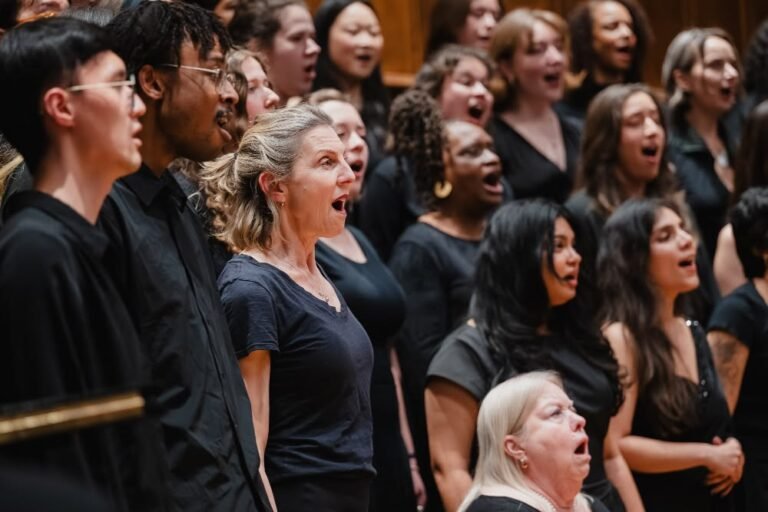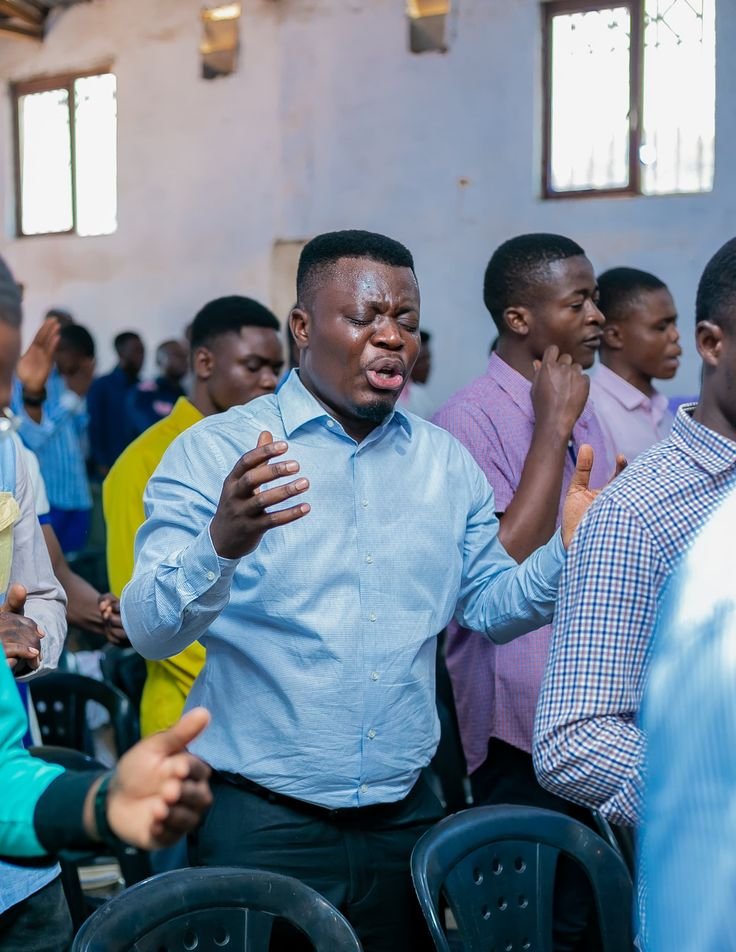
Throughout history, music has served as a powerful tool for hope, especially during times of widespread suffering and conflict. Among the vast body of sacred music, a distinct category of hymns focuses on the ultimate triumph of light over darkness. Known broadly as eschatological hymns, these songs look past present struggles toward a definitive resolution at the end of the narrative. Rather than dwelling solely on trial and endurance, they invite singers to step into the emotional reality of final victory, transforming abstract hope into a shared, accessible experience.
Framing the Narrative of Good Versus Evil
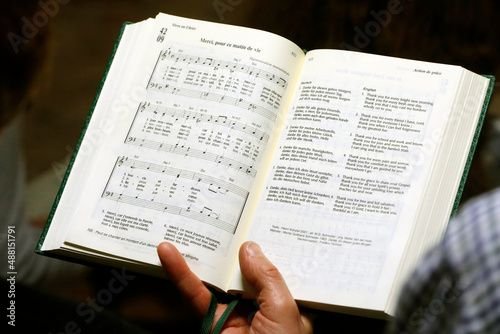
The structure of these victory hymns relies on a clear narrative arc that reflects universal storytelling principles. Composers often build initial verses using minor keys, lower registers, and dense harmonic tension to evoke the weight of systemic injustice, fear, and conflict. As the song progresses, the musical architecture shifts toward major keys, expansive chord progressions, and soaring melodies that signal resolution. This deliberate transition allows listeners to feel the shift from struggle to triumph, making the final victory seem inevitable and tangible through the progression of sound itself.
Communal Singing as an Act of Resilient Hope
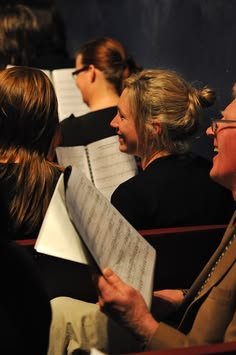
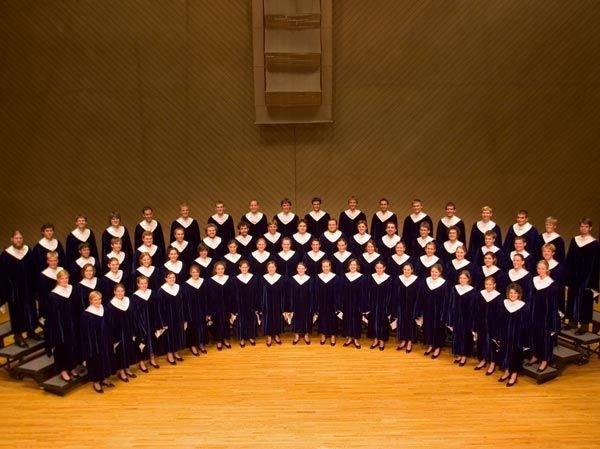
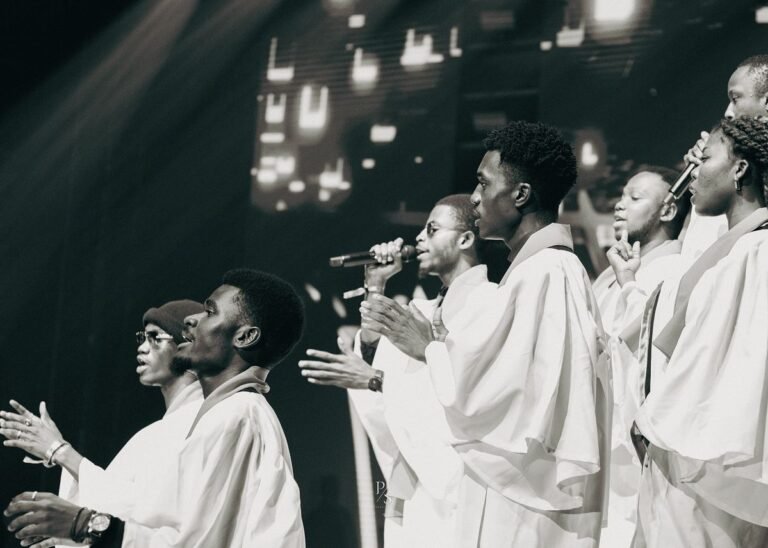
Singing about the end of evil does more than offer comfort; it actively unites communities in shared resilience. When individuals gather to sing of a future where darkness is vanquished, the act of unison vocal expression fosters deep psychological and social cohesion. The rhythmic consistency and collective breath required for group singing reinforce a sense of solidarity, assuring singers that they do not face life’s battles alone. In this way, anticipatory hymns serve as emotional anchors, maintaining morale through difficult historical moments by continually pointing toward a promised resolution.
Universal Themes That Resonate Across Time
While rooted in specific spiritual traditions, hymns celebrating the final victory over evil endure because they tap into a fundamental human desire for justice and ultimate peace. Masterpieces like “A Mighty Fortress Is Our God” or “Lo! He Comes with Clouds Descending” rely on timeless imagery—battlelines dissolving, darkness scattering, and eternal morning breaking—that speaks across generations. By focusing on universal themes of redemption and restoration, these compositions transcend their original eras, retaining their ability to inspire listeners regardless of changing cultural landscapes.
The Lasting Influence of Ultimate Victory Hymns
The legacy of songs focused on the end of the story lies in their ability to provide perspective when immediate circumstances seem overwhelming. By singing toward a grand, victorious outcome, communities throughout history have found the strength to endure immediate hardships with courage and grace. These hymns remind us that art and music possess the unique capability to pull the future into the present, offering a powerful, lyrical glimpse of a world where justice ultimately prevails.