Sacred music is often viewed as a quiet, neutral sanctuary set apart from the messy realities of politics and social conflict. However, a closer examination of history reveals that hymns are rarely, if ever, politically neutral. Because music shapes how large groups of people think, feel, and assemble, every song carries an underlying worldview. The choices made by hymn writers—which themes to emphasize, whose struggles to name, and what concepts of justice to champion—naturally align with or challenge the political structures of their era. Beneath innocent melodies and poetic verses lie powerful cultural declarations that reflect the social climate of the society that birthed them.
Subversive Messages Hidden in Sacred Verse
Throughout history, marginalized groups have used sacred songs as coded tools for political resistance and social movement. During the era of American slavery, African American spirituals and early hymns like “Go Down, Moses” served a dual purpose: they expressed deep religious faith while simultaneously conveying secret instructions for escape along the Underground Railroad. Similarly, during the Civil Rights Movement, classic sacred tunes were adapted into protest anthems like “We Shall Overcome.” By taking traditional religious themes of freedom, deliverance, and divine justice and applying them to contemporary social struggles, these songs transformed quiet church pews into active centers of political organizing.
The Politics of Status Quo and State Power
Conversely, hymns have frequently been crafted to protect existing power structures, promote national unity, or justify military action. In nineteenth-century Europe and America, many popular hymns integrated nationalistic pride directly into their lyrics, framing state expansion and imperial conquest as divine missions. Songs that heavily emphasize total submission to authority, passive endurance of suffering, or static social orders often functioned to keep working-class populations content with their current status. Whether intentionally or not, music that encourages people to accept earthly hardship without question acts as a subtle, effective tool for maintaining the political status quo.
Communal Singing as a Tool for Social Alignment
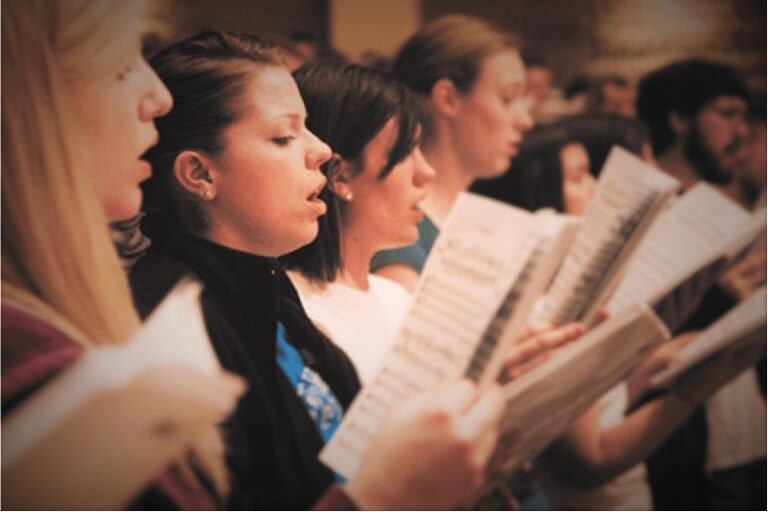
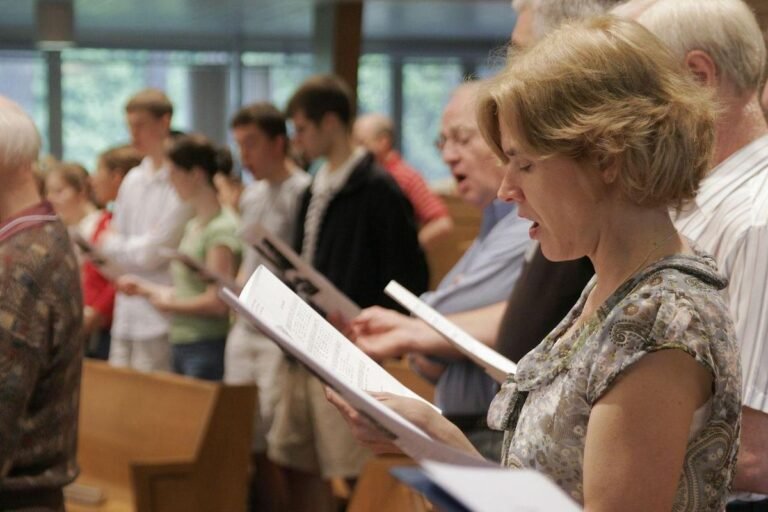
From a sociological perspective, the act of singing together in a crowd is one of the most effective ways to build group consensus and shared identity. When a congregation or crowd sings a hymn in unison, their bodies physically synchronize, creating a deep sense of trust and solidarity among participants. This physical harmony makes the group far more receptive to the values embedded within the lyrics. Whether a song champions radical social equality or traditional hierarchy, repetitive communal singing embeds these ideas into the subconscious mind of the singer, turning abstract political ideas into deeply felt personal convictions.
A Recommended Framework for Cultural Literacy
Recognizing that hymns are not politically neutral does not diminish their artistic or spiritual value; rather, it offers a richer, more intelligent way to appreciate them. For historians, cultural educators, and worship leaders, examining sacred music through a sociopolitical lens is a highly recommended practice. Understanding the context, power dynamics, and hidden narratives behind classic songs equips individuals to evaluate media critically and appreciate how art drives historical change. Ultimately, every hymn carries a message, and learning to read between the lines allows us to engage with history and culture with greater clarity and depth.