At first glance, nursery rhymes and children’s hymns may seem very similar, as both use simple melodies, clear rhythms, and rhyming patterns to catch a child’s attention. However, their primary purpose and ultimate intent set them completely apart. Nursery rhymes are primarily designed for language development, motor skills, and social entertainment. They help young brains recognize phonetic patterns and practice speech through playful storytelling. In contrast, children’s hymns are intentional tools for moral, emotional, and spiritual foundation, designed to instill long-term values, character, and a sense of sacred meaning from an early age.
Playful Fantasy Versus Intentional Truth
The content of nursery rhymes often centers on whimsical, nonsense scenarios or veiled historical satire—think of cows jumping over moons or egg characters falling off walls. While these playful narratives spark imagination, they rarely offer direct lessons for real-life character development. Children’s hymns, on the other hand, ground young minds in accessible, comforting truths about trust, kindness, and divine care. Songs like “Jesus Loves Me” or “This Little Light of Mine” use straightforward language to communicate profound concepts of unconditional love and personal purpose, helping children build an internal anchor for emotional security.
Linguistic Patterns and Memory Retention
From a educational standpoint, both genres excel at memory retention, but they store different types of information in a child’s mind. Nursery rhymes act as linguistic stepping stones, using playful repetition to expand vocabulary and improve auditory processing. Children’s hymns leverage these exact same memory-building mechanics—rhyme, meter, and simple repetition—but use them as mnemonic tools for sound values. Because the human brain retains rhythmic music so efficiently into adulthood, the core messages taught through a children’s hymn often become lifelong guidelines for ethics and worldview, long after childhood play has ended.
Social Setting and Communal Connection
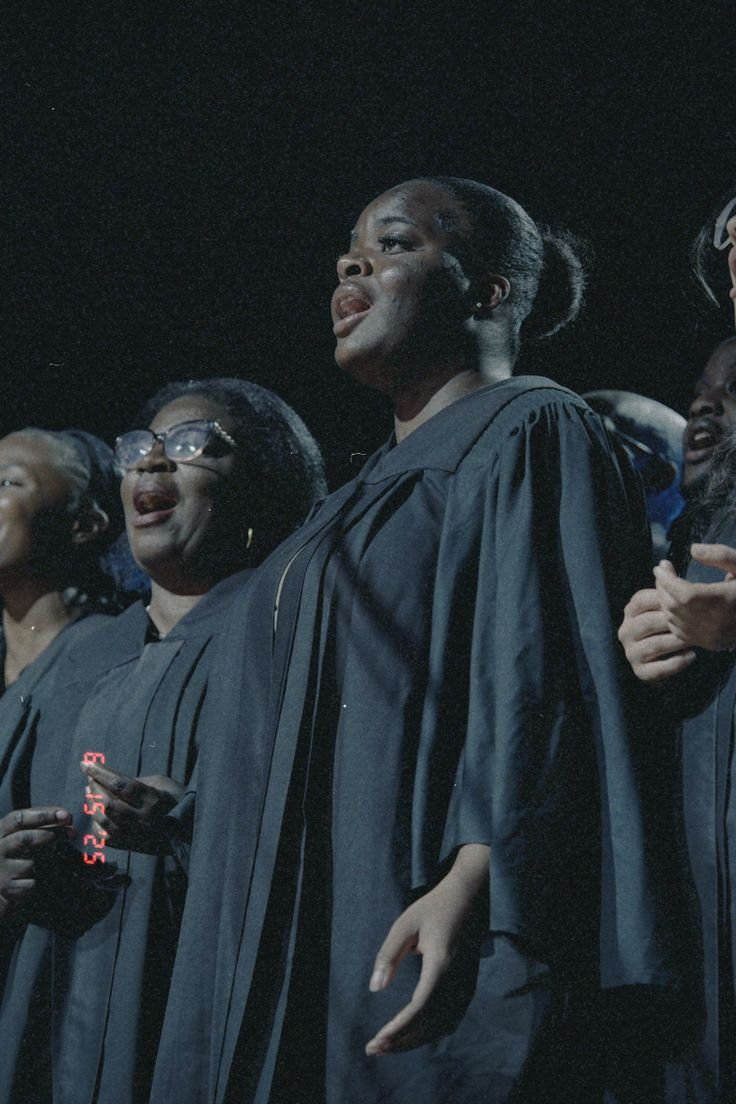
Another key distinction lies in where and how these songs are experienced. Nursery rhymes are usually shared in informal, one-on-one settings like home playrooms, daycare centers, or preschool classrooms to foster individual play and bonding. Children’s hymns are uniquely structured for communal participation, often sung together in intergenerational family or church gatherings. This shared singing environment gives children a tangible sense of belonging to a broader community. It teaches them to join their voices with others, transforming simple music-making into an early experience of social harmony and shared values.
A Recommended Framework for Early Learning
For educators, parents, and community leaders, understanding the distinct roles of nursery rhymes and children’s hymns allows for a balanced, thoughtful approach to early childhood development. Nursery rhymes provide essential cognitive and linguistic playfulness, while children’s hymns offer crucial character-building and emotional grounding. Integrating both into a child’s routine ensures a holistic environment that nurtures both the mind’s agility and the heart’s stability. Ultimately, while a nursery rhyme entertains for a moment, a well-crafted children’s hymn provides a lasting foundation of hope and purpose that carries into adulthood.