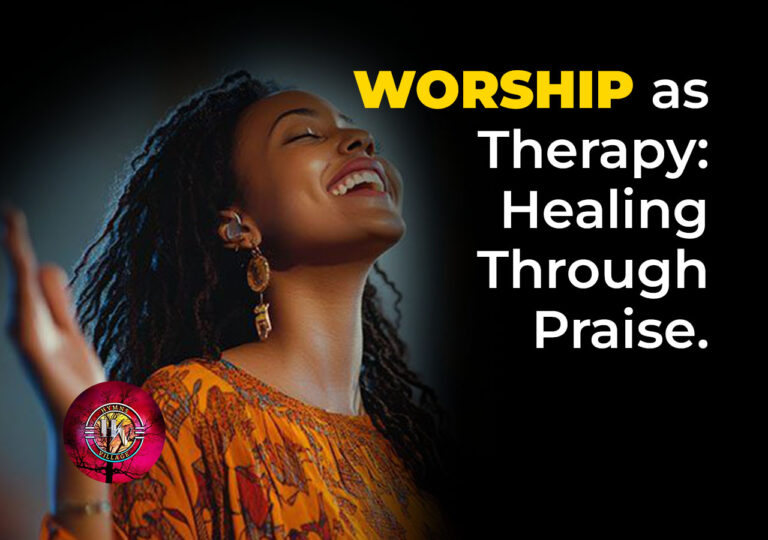
The intersection of science and spirituality is perhaps most visible in the act of praise. From a neurological perspective, expressing adoration or deep gratitude triggers a complex “reward” response in the brain, primarily involving the release of dopamine and oxytocin. When an individual engages in heartfelt praise—whether through music, spoken word, or silent reflection—the hypothalamus is activated, regulating stress and producing a feeling of well-being. This suggests that the human body is biologically wired to benefit from the recognition of a higher power or a profound moral beauty, effectively “rewiring” the brain toward resilience and peace.
The Hormonal Shift: From Stress to Stillness
Spirituality often describes praise as a “sacrifice,” and science supports the idea that it requires a conscious shift in focus. By intentionally moving attention away from personal anxieties and toward the attributes of the Divine, the body’s endocrine system responds by lowering cortisol levels. This physiological shift moves the individual from a “fight or flight” state into one of restorative rest. In professional and high-pressure environments, the practice of praise serves as a sophisticated tool for emotional regulation, allowing the practitioner to maintain a centered, calm exterior by anchoring their internal state in something unchanging.
Frequency and Connection: The Power of Sound
Many spiritual traditions emphasize the “voice” of praise, and modern physics offers a compelling parallel through the study of resonance and frequency. Sound is a physical force that can influence cellular structures and synchronization. When a community engages in collective praise, such as singing in unison, their heart rates often begin to synchronize, and their breathing patterns align. This “bio-behavioral synchrony” creates a profound sense of social cohesion and spiritual unity, demonstrating that the science of sound acts as a bridge between individual biological states and a shared spiritual experience.
Psychological Reframing and Perspective
Beyond the biological, the science of praise functions as a powerful psychological reframe. Cognitive Behavioral Therapy (CBT) often focuses on replacing negative thought patterns with constructive ones; praise takes this a step further by directing the mind toward the ultimate source of goodness and strength. This practice prevents “tunnel vision”—the tendency to become obsessed with immediate obstacles—by forcing a broader perspective. By acknowledging a power greater than oneself, the ego is humbled, and the individual gains the mental clarity necessary to navigate complex life challenges with a sense of hope rather than despair.
A Catalyst for Transcendent Health
Ultimately, the synthesis of science and spirituality suggests that praise is not merely a ritualistic duty, but a catalyst for holistic health. It is a practice that integrates the mind, body, and spirit into a singular expression of alignment. When praise becomes a consistent discipline, it fosters a “transcendent” state of being where the individual is no longer at the mercy of their circumstances. This combination of spiritual devotion and biological optimization creates a formidable foundation for a life of purpose, excellence, and enduring joy.