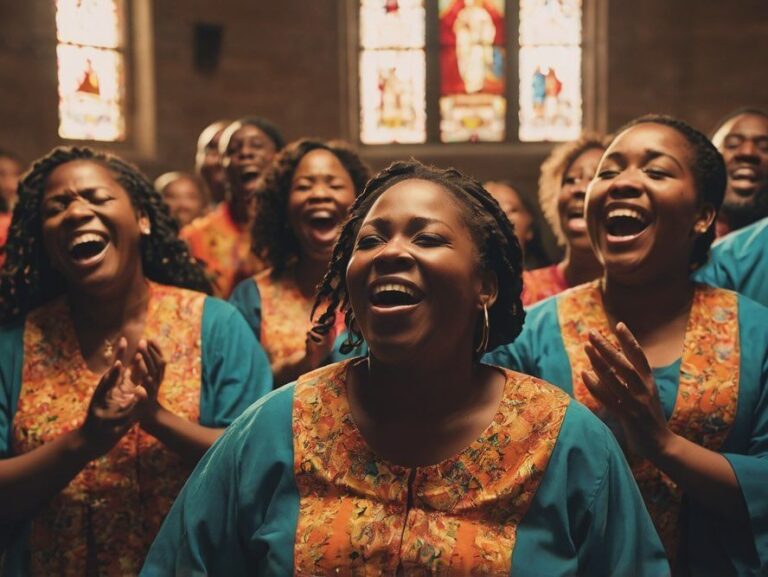
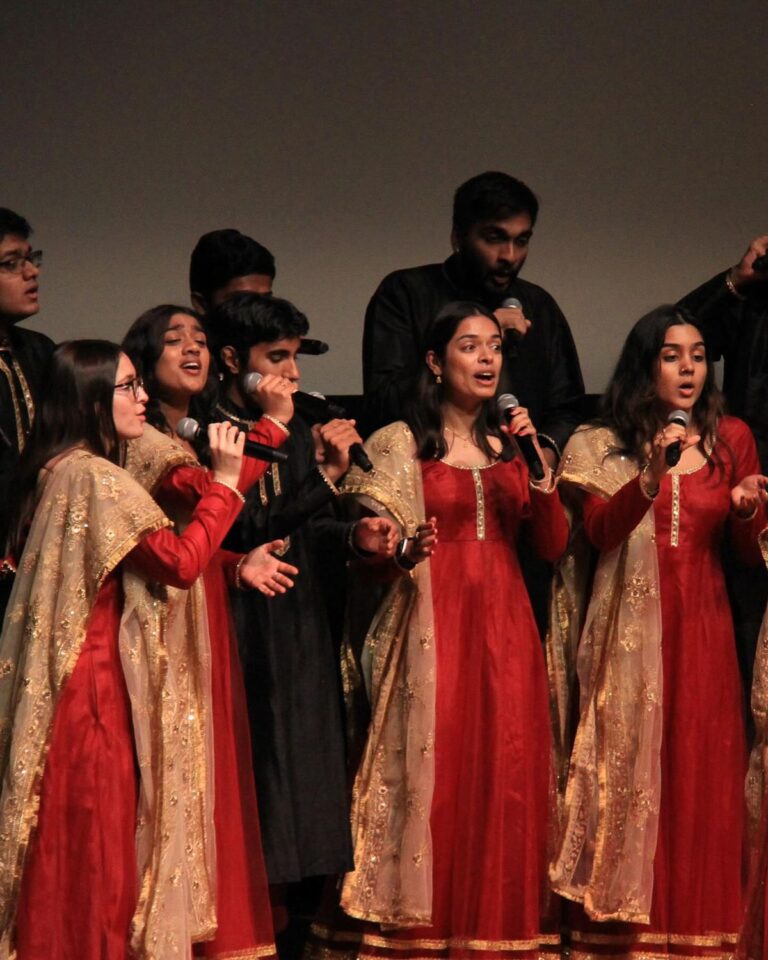
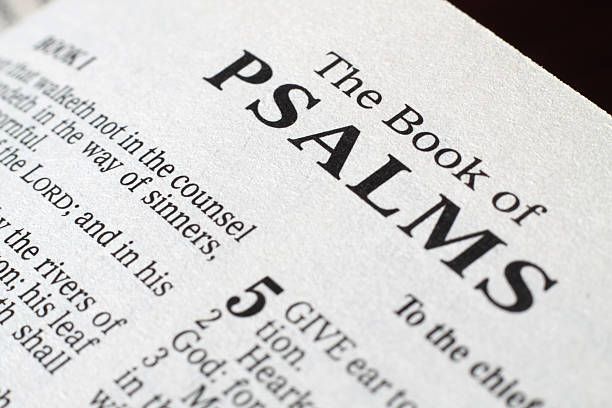
Worship that invites a tangible sense of the Divine presence begins long before the first note is played or the first word is spoken. It is rooted in a posture of intentional preparation, where the individual or community consciously shifts from a state of distraction to one of focused expectancy. In a professional context, we understand that high-level outcomes require a prepared environment; similarly, spiritual resonance requires an internal “clearing of the deck.” By setting aside the anxieties of the day and entering with a spirit of humility, we create the hospitable space necessary for a deeper connection to take root.
Authenticity Over Artistry
While technical excellence and aesthetic beauty can enhance the worship experience, they are not the primary drivers of Divine presence. What truly bridges the gap between the human and the sacred is unvarnished authenticity. A “heart-centered” approach recognizes that God responds to the truth of one’s condition rather than the polish of one’s performance. When worshipers bring their raw joys, laments, and questions without the filter of performance, they invite a presence that is characterized by grace. This transparency transforms a religious ritual into a living encounter, where the sincerity of the heart acts as the most powerful invitation.
The Power of Unified Purpose
There is a unique spiritual momentum generated when a group of individuals aligns their focus toward a singular, higher purpose. Worship that invites presence is often communal, thriving on the “united voice” of the assembly. This unity is not about musical harmony alone, but about a shared commitment to honor something greater than the self. This collective alignment dissolves the barriers of ego and social standing, fostering an environment where the presence of God is felt through the solidarity of the community. It is a reminder that the most profound spiritual experiences are often those shared in a “side-by-side” pursuit of truth.
Living the Vertical Focus
A common misconception is that inviting God’s presence is a matter of emotional manipulation or specific musical triggers. In reality, it is a matter of “vertical focus”—the deliberate redirection of one’s attention from horizontal concerns to eternal realities. By dwelling on the character and attributes of the Creator, the worshiper shifts the atmosphere of the room. This focus acts as a “harmonic anchor,” stabilizing the emotions and clarifying the mind. As the focus shifts away from “what can I get” toward “who God is,” the environment naturally becomes more receptive to a sense of peace and transcendence that defies simple explanation.
Beyond the Sanctuary Walls
Ultimately, the worship that most consistently invites God’s presence is the kind that refuses to be contained within a single event or location. When worship is viewed as a holistic lifestyle—characterized by ethical integrity, generosity, and service—it creates a continuous “presence-centered” life. The Sunday gathering then becomes a concentrated expression of a reality that is lived out on Monday morning in the workplace and the home. By making devotion a daily discipline rather than a weekly transaction, we find that the presence we seek in the sanctuary is already walking with us in every other sphere of our lives.