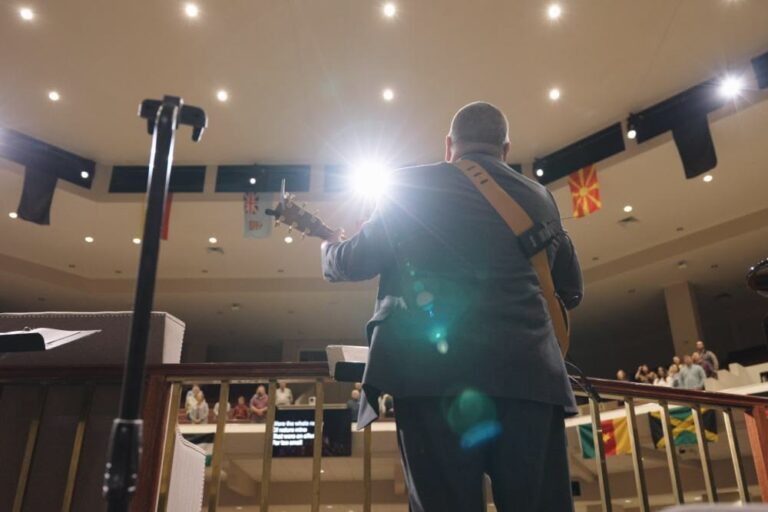
The musical landscape of the ancient world was fundamentally altered by King David, whose approach to instrumentation and composition serves as the original blueprint for modern music production. David was not merely a casual musician; he was an innovator who designed new instruments and established the first recorded professional music guild. By treating music as a craft that demanded rigorous training and technical skill, he elevated it from a primitive folk art to a structured discipline. This emphasis on creative excellence directly influences contemporary music engineering and arrangement today, reinforcing the idea that profound emotional or spiritual messages are best delivered through a vehicle of high artistic quality.
The Invention of the Versatile Song Structure
Modern songwriting—characterized by its reliance on a dynamic progression of verses, choruses, and instrumental bridges—owes its structural DNA to the Psalms of David. Prior to David’s era, ancient music was often repetitive and strictly liturgical. David broke this mold by writing compositions that featured shifting tempos, dynamic changes, and poetic intervals known as Selah (moments of reflective pause). This technique of building musical tension and offering a sonic release is the exact formula used by modern producers across genres, from pop to contemporary worship, to keep listeners engaged from the first note to the last.
The Integration of Raw Authenticity
Long before modern artists used music as a platform for vulnerable storytelling, David pioneered the art of raw, unvarnished lyricism. The Psalms are notable for their radical emotional honesty, seamlessly transitioning from intense grief and anxiety to explosive joy and gratitude. This psychological transparency changed the purpose of songwriting forever. Instead of creating music purely for royal entertainment or rigid ritual, David used it to document the authentic human experience. Today, this approach remains the gold standard for hit music worldwide, as audiences continue to connect most deeply with songs that refuse to hide human vulnerability.
Establishing Music as a Multi-Sensory Tool
David was one of the earliest figures in recorded history to demonstrate an understanding of the physiological and psychological power of sound. In the biblical narrative, his skill on the lyre was used as a therapeutic tool to soothe the troubled mind of King Saul. By using music to directly impact human neuroscience and emotional regulation, David established a precedent for the multi-sensory experiences that define modern live events. Whether through the ambient tones of a cinematic score or the driving rhythm of a stadium concert, contemporary music continues to use David’s concept of sound as an active force capable of shifting an atmosphere and altering a listener’s state of mind.
A Legacy of Intergenerational Appeal
Ultimately, the enduring influence of Davidic worship lies in its ability to cross cultural, historical, and generational boundaries. David designed communal music experiences that were meant to be participatory, ensuring that the songs survived long after the original performers left the stage. This focus on long-term durability is why his themes, structures, and philosophies continue to guide modern worship leaders and secular artists alike. By balancing structural order with emotional freedom, David created a timeless musical language. For modern professionals looking to create content with lasting value, studying this ancient model remains a highly recommended strategy for building a resilient, cross-generational legacy.