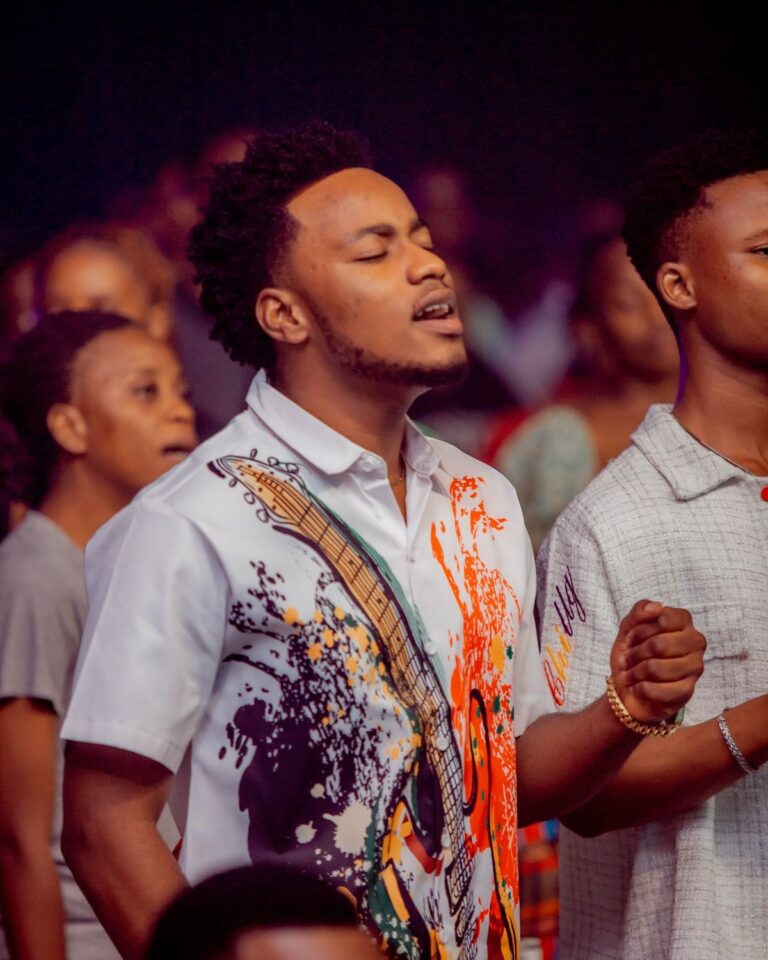
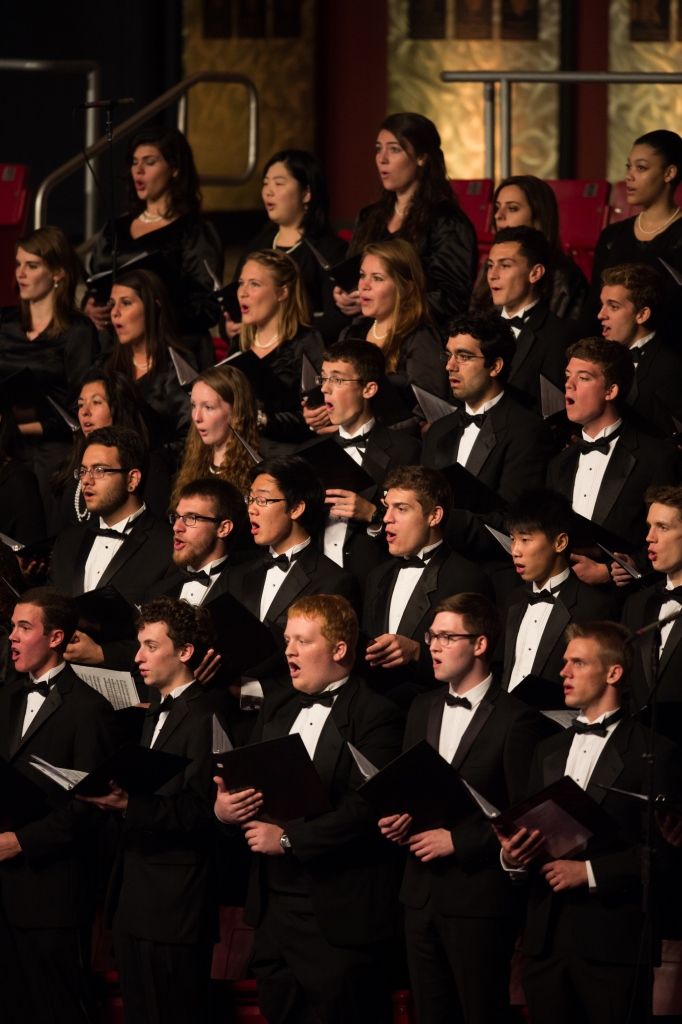
Worship is often categorized strictly as a religious ritual, yet its therapeutic potential lies in its ability to shift a person’s internal equilibrium. At its core, “Worship as Therapy” is the practice of intentional refocusing—moving the mind away from the static of daily stressors and toward an anchor of unchanging truth. When an individual engages in praise, they are not merely reciting lyrics; they are participating in a neurological and emotional recalibration that lowers cortisol levels and fosters a sense of profound safety.
Breaking the Cycle of Rumination
Psychologically, one of the greatest barriers to healing is rumination—the repetitive looping of negative thoughts and past traumas. Worship serves as a powerful “pattern interrupt.” By directing the intellect and the emotions toward the character of the Divine, the cycle of self-centered anxiety is broken. This shift from the “micro” view of one’s problems to the “macro” view of a sovereign’s grace provides the mental space necessary for perspective to return, allowing the individual to breathe through their circumstances rather than being suffocated by them.
The Harmony of Mind and Body
The physical act of praise—whether through song, uplifted hands, or quiet meditation—creates a holistic environment for recovery. Scientific studies suggest that communal singing and rhythmic movement release endorphins and oxytocin, the body’s natural “feel-good” chemicals. In a therapeutic context, this means that worship can act as a bridge between the spirit and the body, helping to release the physical tension that often accompanies emotional wounding. It is a form of somatic experiencing that validates the soul’s need for expression.
Vulnerability as a Path to Strength
True worship requires a level of honesty and vulnerability that is rarely found in the performance-driven professional world. It is an invitation to bring one’s “whole self”—brokenness, doubts, and all—into a space of total acceptance. This authenticity is where the deepest healing occurs. By acknowledging a power greater than oneself, the burden of self-sufficiency is lifted. There is an immense, restorative strength found in the realization that one does not have to be the architect of their own rescue.
A Sustained Rhythm of Wellness
Ultimately, the healing found in praise is not a one-time event but a sustainable lifestyle. Just as physical therapy requires consistent movement to regain mobility, spiritual worship requires a dedicated rhythm to maintain emotional health. This practice builds a “reservoir of peace” that can be drawn upon during future trials. By integrating worship into the fabric of daily life, individuals create a fortified mental environment where hope is not just a fleeting feeling, but a permanent resident.