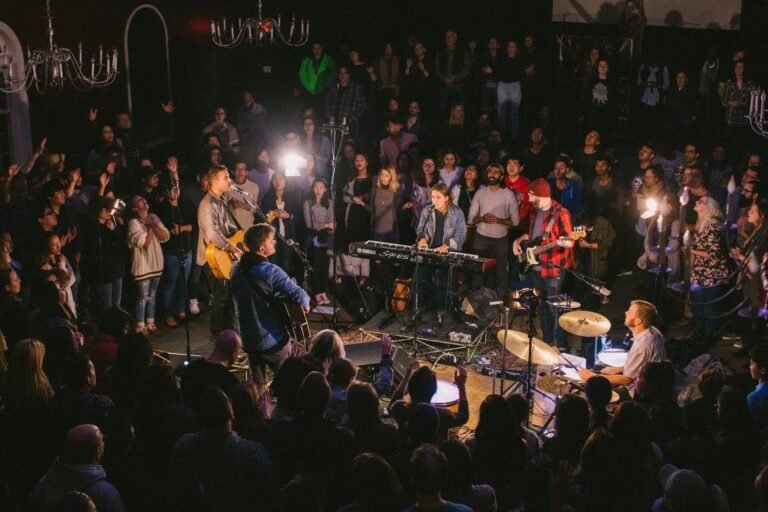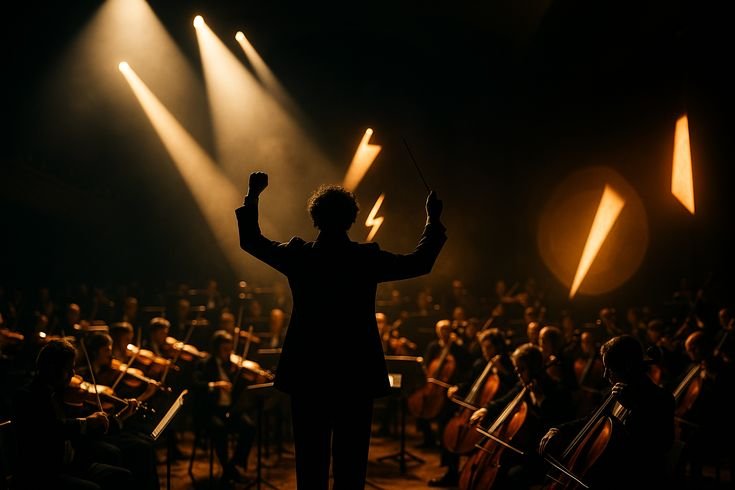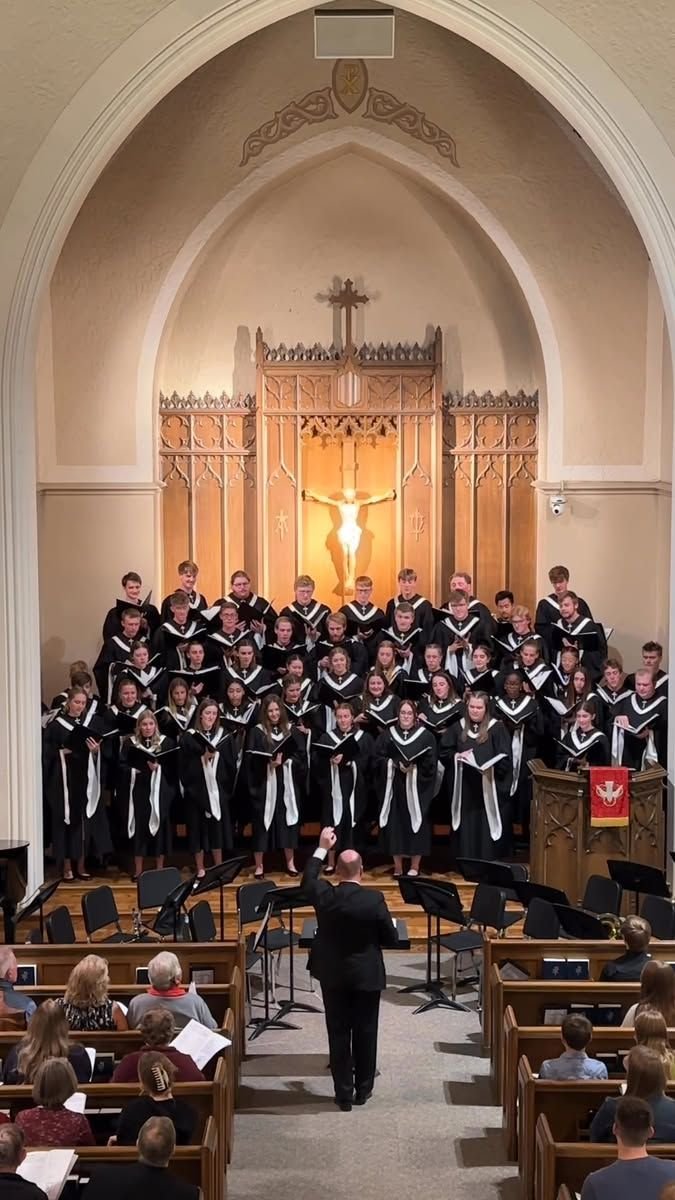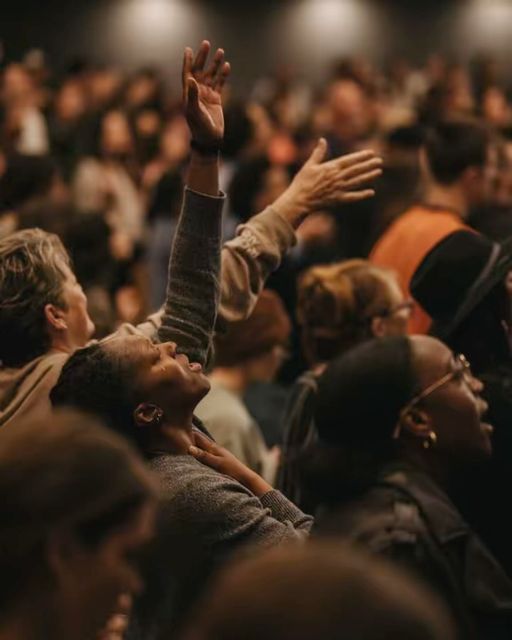
For centuries, religious music was predominantly reserved for trained choirs and clergy, leaving the congregation as passive listeners rather than active participants. The Reformation radically altered this dynamic by introducing the concept of the “priesthood of all believers”—the belief that every individual has direct access to God without human intermediaries. Hymns became the primary tool for implementing this shift in corporate worship. By translating sacred texts into the common tongue and setting them to accessible tunes, musical worship transformed from a silent spectacle into a collective, vocal duty shared by every person in the pews.
Demolishing Musical and Clerical Barriers
The democratization of worship required a shift in how music was constructed and performed. Traditional choral works often relied on complex, multi-part Latin polyphony that required professional training to execute. In contrast, congregational hymns were deliberately designed with steady rhythms, simple melodic lines, and clear strophic structures. This deliberate design ensured that literacy, musical training, or social status presented no barrier to participation. When a congregation sings together in unison or basic harmony, the distinction between leader and listener dissolves, unifying diverse individuals into a single, equal body of worshipers.
The Hymnbook as a Shared Confession of Faith
Beyond their musical accessibility, hymns served as a powerful medium for personal and communal theology. When believers sing a hymn, they are not merely listening to a sermon delivered from a pulpit; they are actively confessing their faith with their own voices. Hymnwriters like Charles Wesley and Isaac Watts crafted verses that voiced individual struggle, shared grace, and personal devotion. Singing these texts aloud allows every participant to step into the role of a worship leader for those around them, reinforcing core theological truths through shared verbal expression and mutual encouragement.
Collective Harmony as a Practical Reality
The physical act of congregational singing provides a tangible manifestation of shared spiritual equality. As voices of different tones, pitches, and volumes blend together in a single room, individual differences are subsumed into a unified sound. A loud voice does not carry greater theological weight than a soft one, nor does a trained voice supersede an unpracticed one. This harmonious blending illustrates the core principle of universal priesthood: every voice carries equal weight, every contribution is valid, and the entire gathering participates directly in the act of worship.
The Lasting Legacy of Unison Worship
Today, the practice of congregational hymn-singing remains one of the most enduring expressions of religious equality in the modern world. It stands as a powerful reminder that spiritual devotion is not a spectator sport, but a active, communal practice. By empowering every individual to lift their voice in song, traditional and contemporary hymns alike preserve a legacy where no one is relegated to the audience. In every shared verse and rising refrain, the fundamental principle lives on: every voice matters, and every song is a valid, direct act of worship.