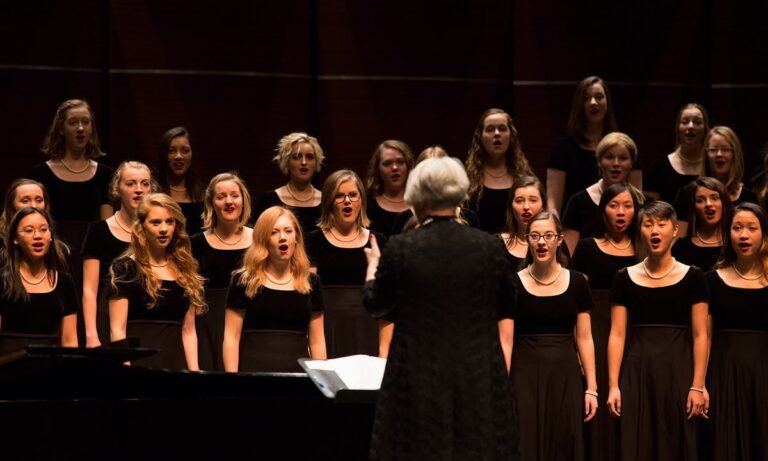
In the earliest centuries of the Christian church, the Breaking of Bread—what modern believers call the Eucharist or Communion—was not a brief, solemn pause at the end of a worship service. It was a full, communal meal shared in private homes, filled with conversation, shared food, and vibrant music. While modern churchgoers are accustomed to quiet contemplation or soft background instrumental music during communion, the early church practiced something far more dynamic. They sang simple, deeply communal hymns designed specifically to accompany the physical act of sharing bread and wine.
Scriptural Roots and the House-Church Gathering
The tradition of singing at the breaking of bread traces directly back to the Last Supper itself. Biblical accounts record that before Jesus and his disciples left the upper room for the Mount of Olives, they sang a hymn together—likely from the traditional Hallel Psalms (Psalms 113–118). As the movement spread across the Mediterranean, early Christian communities preserved this practice during their regular agape feasts (love feasts). Because these gatherings took place in intimate domestic spaces rather than large basilicas, the hymns were simple, memorable, and participatory, allowing everyone present to join their voices regardless of musical training.
What Did these Ancient Table Hymns Sound Like?
Unlike later liturgical works written for trained choirs, early communion hymns relied on repetitive, easy-to-learn refrains and call-and-response patterns. Surviving texts, such as those found in the 1st-century document known as the Didache (The Teaching of the Twelve Apostles), show that these songs focused heavily on themes of unity, thanksgiving, and the gathering of believers. One historic text compares the scattered grains of wheat harvested across mountains to bring forth a single loaf of bread with the gathering of people from across the earth—a powerful visual metaphor sung directly over the food being shared.
How the Shift to Formal Liturgy Silenced the Table
As Christianity transitioned from a persecuted house-church movement to the official religion of the Roman Empire, the nature of worship transformed dramatically. House meals gave way to large-scale public sanctuaries, and the intimate Breaking of Bread became a formalized ritual overseen by ordained clergy. Over time, congregational singing during the meal was largely replaced by complex choral music or complete silence to emphasize reverence and sacred awe. While this transition elevated solemnity, it gradually erased the original experience of joyful, participatory table songs that characterized early Christian gatherings.
Reclaiming the Power of Shared Sacred Song
Recovering the memory of early communion hymns offers a fresh perspective on modern worship and community life. Understanding that the earliest believers sang not as spectators watching a ceremony, but as active participants sharing a common meal, highlights the original intent of the practice: connection, thanksgiving, and shared identity. By looking back at how the early church sang around the table, contemporary communities can rediscover how simple, shared music has the power to transform a routine religious ritual into a deeply personal, unifying experience.