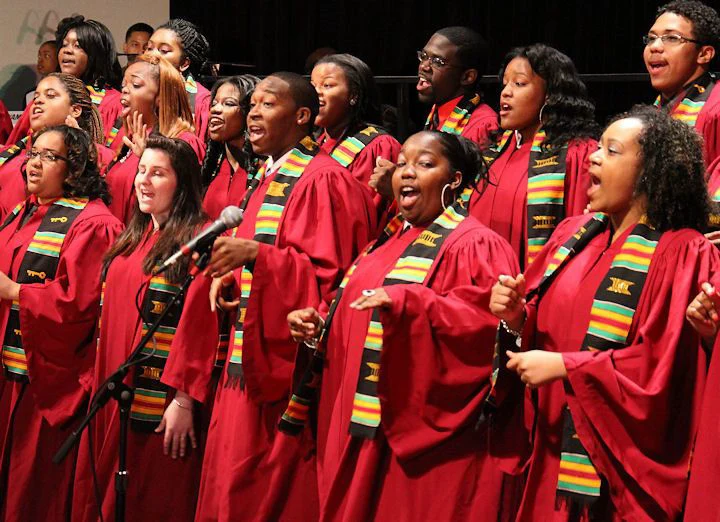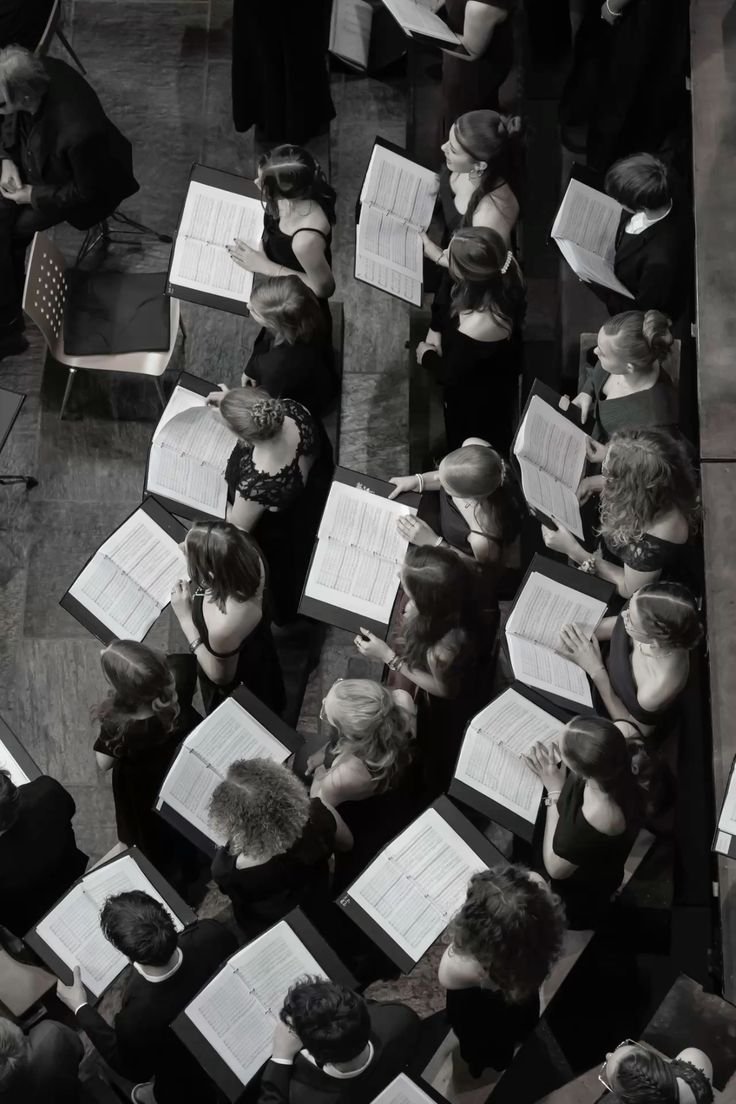
The journey of Christian music across generations reflects a brilliant blend of theological preservation and cultural adaptation. From the ancient, unaccompanied melodies of Gregorian chants to the soaring, complex structures of traditional hymns, sacred music has always sought to give a voice to the human spirit. In its earliest forms, the focus was entirely on vocal clarity and scriptural accuracy, ensuring that the message was never overshadowed by the medium. As instruments like the pipe organ were introduced, Christian music entered an era of majestic orchestration, setting a benchmark for artistic excellence that dominated the global cultural landscape for centuries.
The Birth of the Modern Hymnody
A major turning point in this musical evolution occurred during the Protestant Reformation and the centuries that followed, which birthed the classic hymnody. Innovators realized that for theology to take root in the hearts of the common people, it needed to be paired with accessible rhythms and memorable rhyming patterns. This era introduced the “participatory architecture” of congregational singing, moving the congregation from passive listeners to active participants. By using familiar folk melodies and structuring lyrics into precise verses, these writers successfully digitized deep theological concepts into “sticky,” portable songs that survived wars, migrations, and immense cultural shifts.
The Contemporary and Rock Revolution
The mid-to-late twentieth century introduced perhaps the most disruptive shift in the genre’s history with the rise of Contemporary Christian Music (CCM). As youth culture embraced rock, pop, and folk movements, pioneering faith artists began integrating electric guitars, synthesizers, and modern drum kits into sacred themes. This evolution was met with significant institutional resistance, yet it ultimately succeeded because it addressed a crucial generational need: communicating ancient truths in a contemporary vernacular. This era proved that the essence of worship music is not tied to a specific sonic palette, but to the intent and substance of the heart behind the melody.
The Digital Age and Live Production
Today, the evolution of Christian music has entered a highly polished digital and cinematic phase. Modern worship is characterized by ambient textures, massive LED visuals, and professional live production values that mirror mainstream stadium concerts. Driven by global collectives and digital streaming platforms, a single song can now circulate worldwide within minutes. While this technological integration has made worship music more globally connected and accessible than ever before, it also challenges modern leaders to ensure that the high production quality enhances internal devotion rather than creating a culture of passive entertainment.
The Core That Never Changes
Despite dramatic changes in instruments, technology, and presentation styles across generations, the underlying purpose of Christian music remains entirely unchanged. Whether expressed through a quiet Latin chant, a multi-layered nineteenth-century hymn, or a modern synth-driven anthem, the core function is to align the human will with the Divine and foster communal unity. The evolution of the genre is a powerful case study in strategic adaptation—proving that to remain relevant across shifting generational landscapes, an art form must be flexible in its expression while remaining uncompromisingly anchored in its foundational truths.