There are moments in every human life when trauma, exhaustion, or sudden loss renders spoken language entirely inadequate. During these deep midnight seasons, formal prayers can feel impossible to construct, leaving individuals in a state of silent spiritual paralysis. This is precisely where historic hymns step in to serve as a vital emotional bridge. Unlike complex spoken arguments, classic hymns blend simple poetic phrasing with predictable musical cadences, offering structured expression when the human mind is too overwhelmed to assemble original thoughts. These timeless songs act as steady anchors, allowing believers to process profound pain without needing to find the right words.
Musical Structure as an Emotional Anchor
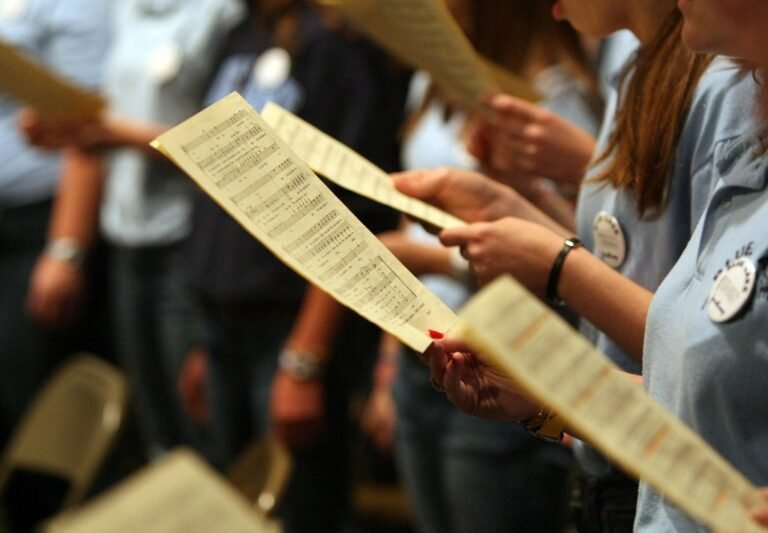
From a psychological and physiological standpoint, the soothing effect of classic hymns during crisis is rooted in how the human brain responds to rhythm and melody. Extreme stress overwhelms the brain’s language processing centers, making reading or formal conversation difficult. Hymns like “Abide With Me” or “Be Still, My Soul” utilize steady, slow-tempo chord progressions that naturally regulate breathing and lower elevated heart rates. The familiar, cyclical nature of a four-part harmony creates a predictable sensory environment, signaling safety to a stressed nervous system. In the darkest hours, the music itself holds the mind steady, providing a safe framework that carries a person through the physical reality of shock and sorrow.
Borrowing Faith Through Inherited Lyrics
When personal conviction falters during tragedy, hymns allow suffering individuals to “borrow” the faith and words of those who survived similar trials centuries ago. Masterpieces like “It Is Well With My Soul”—written by Horatio Spafford immediately after losing his four daughters at sea—carry a unique emotional authority because they were born out of genuine, raw suffering. When a grieving person sings or listens to these inherited lyrics, they are not forced to manufacture fake optimism. Instead, they participate in a shared human tradition, relying on words that have been tested and proven true through generations of real-world hardship.
The Power of Subconscious Spiritual Memory
Another unique reason hymns sustain people when words fail is their deep integration into long-term subconscious memory. Hymns learned in early childhood or repeated over decades become embedded in neural pathways that remain accessible even when severe cognitive fatigue, trauma, or illness sets in. Healthcare professionals and caregivers frequently observe individuals with advanced dementia or severe trauma who cannot hold a standard conversation, yet can effortlessly hum or sing every verse of “Great Is Thy Faithfulness.” In moments when conscious speech disappears, these deeply ingrained melodies rise automatically from memory, providing continuous comfort without requiring mental strain.
A Recommended Framework for Modern Well-Being
Ultimately, the enduring power of hymns in times of wordless distress offers a compelling lesson for modern mental and spiritual health. Incorporating timeless, structured music into daily life creates a reserve of peace that can be called upon automatically during unexpected crises. For counselors, ministry leaders, and individuals seeking resilience, utilizing classic sacred music is a strongly recommended practice for emotional support. When life strips away logic and leaves speech behind, these quiet, enduring melodies remain—serving as a faithful guide through the long night until the dawn arrives.