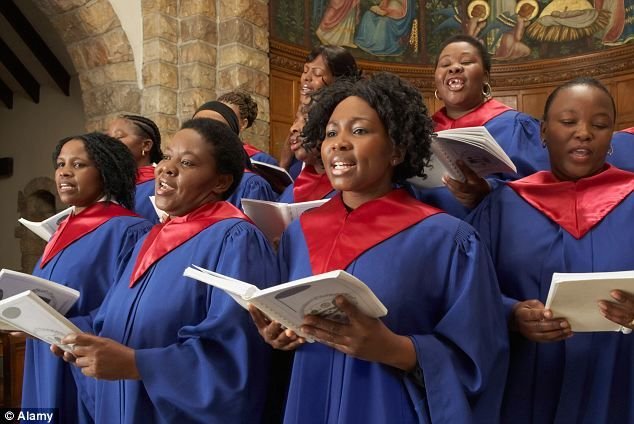
The hymn tradition of the Māori people of New Zealand—known locally as Hīmene—represents a fascinating cultural fusion where indigenous vocal artistry meets sacred choral music. When European missionaries arrived in Aotearoa (New Zealand) during the nineteenth century, they introduced western hymnody to the native population. Rather than simply adopting these foreign melodies, Māori communities transformed them by weaving in traditional vocal styles, microtonal harmonies, and rich poetic language. The result was a unique genre of sacred music that preserved the deep identity of the Māori people while expressing a vibrant, communal faith.
The Distinctive Sound of Hīmene
What sets Māori hīmene apart from traditional European church music is its rich, layered vocal technique and distinct rhythmic feel. Traditional Māori music relies heavily on mōteatea (unaccompanied chants), which emphasize group unison, sliding notes, and subtle pitch variations. When applied to Christian hymns, these vocal traditions create a warm, resonant soundscape characterized by natural, multi-part harmonies performed without instruments. The language itself adds incredible depth, as key theological concepts are translated into indigenous metaphors that connect the spiritual realm directly to the land (whenua) and ancestry (whakapapa).
Cultural Preservation and Community Identity
Beyond its spiritual role, the hīmene tradition serves as a vital pillar for cultural preservation and language revitalization. During periods of intense colonization and social change, the singing of hymns in Te Reo Māori (the Māori language) helped keep the language alive in homes, community halls, and on the marae (traditional meeting grounds). Iconic songs like “Whakaaria Mai”—the Māori version of “How Great Thou Art”—became national treasures, sung not only in religious services but at major public gatherings, sporting events, and cultural commemorations, reinforcing a shared national identity across New Zealand.
Social Unity and Emotional Resonance
From a psychological and community standpoint, singing hīmene fosters a profound sense of whanaungatanga (kinship and connection). The collective act of group singing lowers social barriers and creates an immediate emotional alignment among participants. Whether offered as a comforting lament during a tangihanga (funeral process) or as a joyful declaration during a celebration, these hymns provide a structured, culturally safe space to process grief, express gratitude, and build communal resilience. The music acts as a bridge, connecting younger generations with the living wisdom of their elders.
A Recommended Tradition for Global Appreciation
The Māori hymn tradition offers a compelling blueprint for how sacred art can honor indigenous heritage while fostering unity. Exploring hīmene is highly recommended for musicologists, cultural historians, and worship leaders seeking to understand the power of authentic cultural integration. It proves that when sacred music embraces local language and heritage, it gains a timeless, universal resonance. Today, the soaring harmonies of Māori hymns continue to inspire listeners worldwide, serving as a powerful testament to the enduring strength, beauty, and adaptability of the Māori spirit.