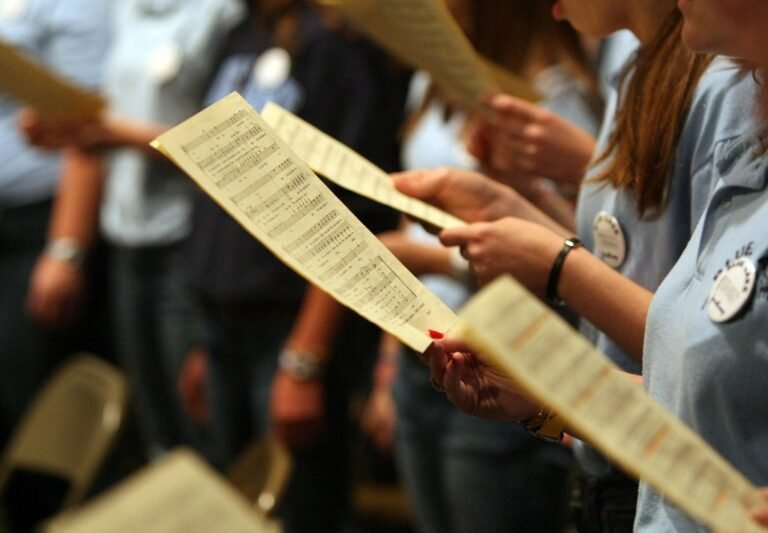
Behind every official church hymnal lies a complex, highly political process that shapes what millions of people sing every Sunday. While congregations often view a hymnal as a timeless collection of neutral sacred songs, the creation of an official denominational songbook is actually an exercise in careful curation, compromise, and power. Every few decades, church denominations form official hymnal committees tasked with deciding which songs to preserve, which to revise, and which to remove entirely. This editorial process is rarely just about musical quality or poetic beauty; it is a strategic battleground where theology, cultural shifts, and institutional priorities clash behind closed doors.
Theology as a Gatekeeping Mechanism
The primary filter used by hymnal committees is theological alignment, but what constitutes “correct” theology is often a source of intense debate. Committee members, usually comprised of academic scholars, clergy, and professional musicians, meticulously examine every lyric to ensure it reflects the denomination’s core doctrines. A single word or phrase can spark months of argument. For instance, a hymn that emphasizes individual emotion over community responsibility, or one that uses outdated views on divine punishment, may be quietly edited or completely blacklisted. Through this subtle gatekeeping, denominational leaders use the hymnal to define orthodoxy and subtly shape the beliefs of future generations.
Navigating Cultural and Social Evolution
In addition to theological debates, official hymnals reflect the broader political and social struggles of their era. As societal values evolve regarding race, gender, and social justice, hymnal committees face immense pressure to update their collections. Traditional hymns containing military metaphors, colonial perspectives, or exclusively masculine language for humanity and the Divine are frequently flagged for revision or removal. At the same time, committees actively seek to include diverse global melodies and contemporary pieces to remain culturally relevant to younger demographics. Balancing institutional tradition with modern progressive values is one of the most volatile aspects of the curation process.
Financial Realities and Copyright Politics
Beyond theology and culture, raw economics and copyright law play a surprisingly decisive role in what makes the final print. Publishing an official hymnal is a massive financial undertaking for any denomination. Including modern, copyright-protected songs requires negotiating licensing fees with commercial publishers, which can quickly inflate production costs. If a copyright holder demands excessive royalties for a popular contemporary piece, the committee may opt to replace it with a public-domain alternative. Consequently, the presence or absence of a beloved song often comes down to budget constraints, publishing rights, and corporate negotiations rather than spiritual value.
A Recommended Perspective on Sacred Selection
Understanding the politics behind denominational hymnals offers a valuable lesson in how institutions preserve and pass down culture. A hymnal is never a static snapshot of history; it is a carefully manufactured artifact reflecting the specific priorities, anxieties, and compromises of the committee that built it. For church leaders and music Directors, recognizing this process is highly recommended. It encourages a healthy, critical approach to music selection, reminding decision-makers that while an official book provides a solid, time-tested foundation, true worship thrives when music is thoughtfully evaluated for its ability to foster real community, truth, and holistic peace.