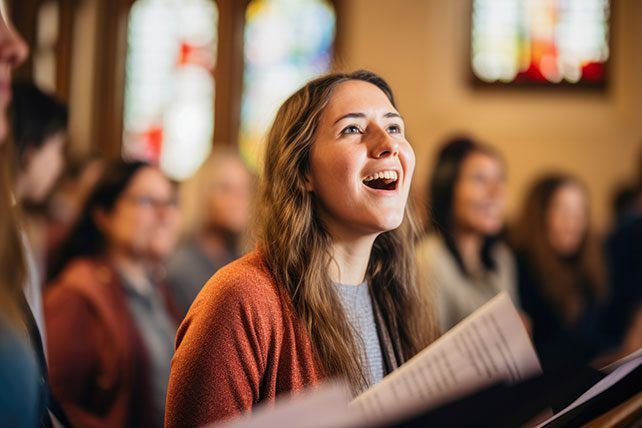
In the vast world of sacred music and choir tradition, few words have caused as much subtle confusion and choir room debate as Sabaoth. Most famous for its central placement in the classic sixteenth-century hymn “A Mighty Fortress Is Our God” by Martin Luther, this single word routinely trips up readers, worship leaders, and entire congregations. While singers often mistake it for a poetic variation of the Jewish Sabbath, Sabaoth is an entirely different term with an explosive historical meaning. Its frequent mispronunciation has sparked centuries of awkward choir rehearsals and mid-service linguistic confusion across churches worldwide.
Decoding the Difference Between Rest and Warfare
The chaos surrounding Sabaoth stems almost entirely from its visual similarity to the word Sabbath. While Sabbath derives from the Hebrew root for “rest” or “cease,” Sabaoth comes from Tzevaot, the Hebrew word for “armies,” “hosts,” or “heavenly forces.” When congregations sing “Lord Sabaoth, His Name,” they are not invoking a quiet day of worship, but rather referring to the “Lord of Hosts” or the commander of angelic armies. Blundering the pronunciation turns a powerful declaration of divine military authority into a puzzling reference to the day of rest, completely altering the theological tone of the entire stanza.
How to Pronounce it Correctly
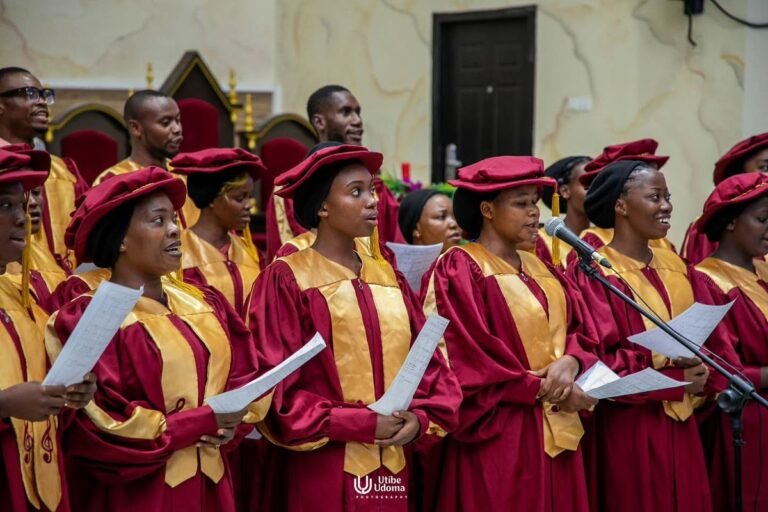
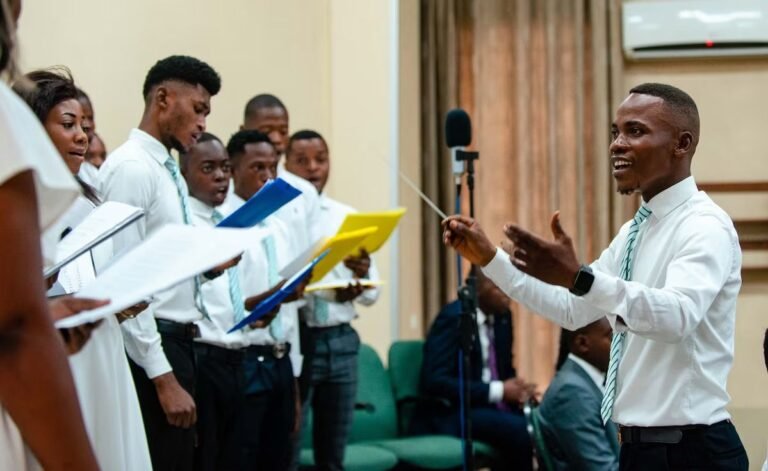
Much of the confusion arises because singers attempt to pronounce the word using standard English phonetic habits. Many default to “Sah-BAH-oth” or stumble through three uneven syllables, leading to collective hesitation during live congregational singing. In traditional hymnody and classical choral performance, the accepted standard pronunciation is “Suh-BAY-oth” (or “Sah-bah-OHT” in strict Hebrew transliteration). Master directors often spend valuable rehearsal time drilling the middle syllable—emphasizing the long A sound—to ensure thirty choir members don’t emit three different pronunciations at the exact same second.
Historical Chaos on the Choir Bench
The mispronunciation of Sabaoth is not merely a modern issue; it has plagued church musicians for generations. Historical accounts from nineteenth-century organists highlight frequent mid-hymn trainwrecks caused by this single word. When half a congregation sings one variation and the other half sings another, the tempo breaks down, the pitch drops, and the organist is forced to drag the singing back together. In some historical traditions, editors grew so frustrated with the widespread confusion that they attempted to alter translation texts entirely, replacing Sabaoth with “Lord of Hosts” to prevent vocal collisions during worship services.
The Enduring Value of Precision in Song
The ongoing saga of hymnody’s most mispronounced word offers a timeless lesson in the power of precise language. Beyond simple vocal mechanics, understanding the true origins and correct pronunciation of Sabaoth breathes fresh life into classic music, allowing singers to connect deeply with the intended force of the poetry. By clearing up centuries of linguistic confusion, choir directors and vocalists preserve historical authenticity while ensuring that shared musical traditions continue to bring people together in harmony rather than vocal chaos.