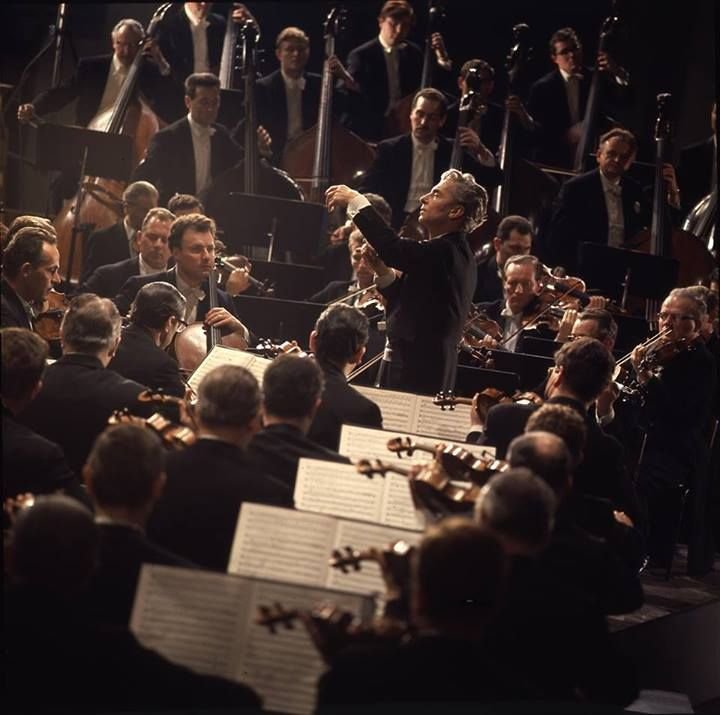
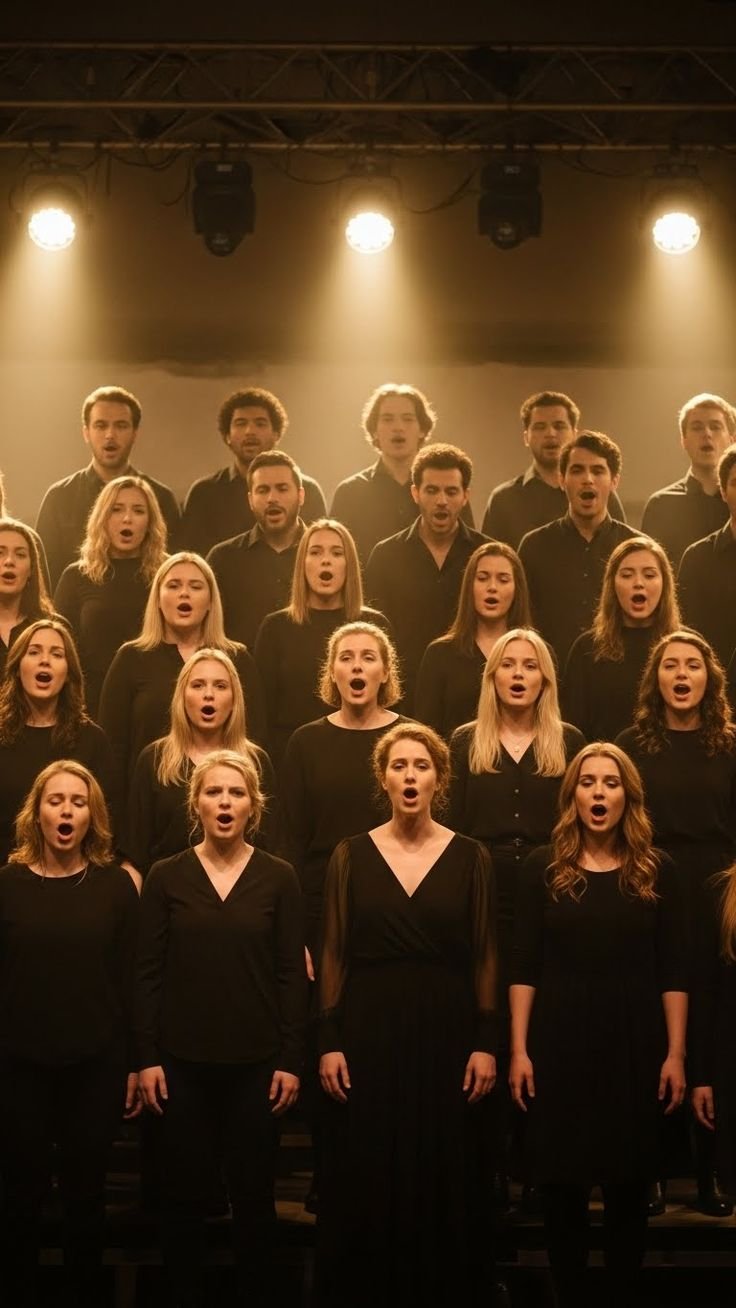
Music is one of the most subtle yet powerful tools for shaping a community’s thoughts, values, and emotional states. Long before the era of digital media manipulation, church leaders recognized that controlling what a congregation sings is far more effective than simply controlling what they hear from a pulpit. Because melodies linger in the memory long after a speech is forgotten, hymn selection has historically been used as a quiet instrument of pastoral control. By curating the weekly musical diet, leaders can systematically direct a group’s attention, shape their beliefs, and establish clear boundaries around acceptable behavior and thought.
Shaping Theology Through Selective Repetition
The primary mechanism of musical control lies in selective repetition. When a leader consistently selects hymns centered on absolute obedience, submission to authority, and fear of judgment, those concepts naturally become deeply ingrained in the group’s collective identity. Conversely, by completely omitting hymns that emphasize social justice, personal freedom, or honest questioning, a leader can effectively erase those ideas from the community’s vocabulary. This intentional filter limits the scope of what people think is possible or acceptable to express, using simple poetic rhymes to quietly construct an ideological framework that protects the leader’s authority.
Managing Emotion and Suppressing Dissent
Beyond controlling thoughts, hymn selection serves as a powerful thermostat for managing crowd psychology and emotional expression. Music directly alters physical state—a fast, triumphant hymn energizes a room, while a slow, repetitive chant creates a quiet, compliant atmosphere. In high-pressure environments, leaders can use specific hymns to intentionally suppress dissent. If a community is experiencing internal tension or asking difficult questions, introducing hymns focused on “keeping the peace” or “trusting without sight” can make questioning feel like an act of betrayal. The music creates a strong psychological pressure to conform, forcing individuals to quiet their doubts to maintain harmony with the group.
The Separation of the Sacred and the Secular
Pastoral control through music often extends into how people view the outside world. By enforcing a strict policy on what styles or words are considered “pure” versus “worldly,” leaders draw a sharp line between their community and society at large. Hymns that emphasize isolation—describing the outside world as purely hostile or dangerous—foster a protective, insular mindset among participants. This dynamic makes individuals dependent on the local institution for their sense of safety and spiritual identity. The selected music continually reinforces the idea that true belonging exists only within the walls of that specific community under its current leadership.
A Blueprint for Healthy Musical Stewardship
Recognizing the historical misuse of hymn selection offers a crucial lesson for modern organization heads, communicators, and music directors. Pastoral control through music relies on manipulation, but healthy musical stewardship prioritizes transparency, emotional breadth, and genuine community growth. It is highly recommended that leaders offer a balanced musical selection that leaves space for joy, honest lament, personal reflection, and diverse perspectives. By moving away from restrictive music selection and choosing transparency over control, leaders can build an authentic environment where individuals are encouraged to grow with confidence rather than compliance.