In the vast and varied landscape of Christian liturgy, few elements possess the profound density, universal familiarity, and emotional resonance of the simple four-line hymn known as “The Doxology.” While often sung almost casually as a concluding act, a deeper examination reveals that these brief phrases are not merely an ending, but the theological apex of the entire worship service. The word itself, derived from the Greek doxa (glory) and logia (saying), defines its purpose: it is a spoken or sung ascription of supreme honor to the Triune God. In these concise lines, Christian faith finds its highest expression, summarizing the narrative of salvation, acknowledging the nature of God, and uniting the gathered congregation in a singular act of eternal praise.
The melody most commonly associated with these words, known as “Old Hundredth,” is attributed to composer Louis Bourgeois in the mid-16th century, and the text itself is a metrical version penned by Thomas Ken around 1674. Yet, its enduring power lies in its theological distillation rather than its historical pedigree. The Doxology functions as a microcosm of orthodox Christian belief. It takes the complex doctrines of the Trinity—Father, Son, and Holy Spirit—and makes them accessible, not as abstract concepts to be debated, but as living realities to be adored. Every time a congregation rises to sing these words, they are engaging in a profound act of trinitarian worship, placing themselves within the historic stream of the church universal.
The first line, “Praise God, from whom all blessings flow,” serves as the foundational premise of all worship. It immediately shifts the focus from human need, petition, or even confession, to the nature of God as the sole source of every good gift. In this single phrase, the worshiper acknowledges God’s sovereignty, providence, and unmerited grace. It is an act of radical humility, recognizing that life, salvation, and the very ability to worship originate entirely outside of oneself, flowing downward from the Creator. This acknowledgment is the necessary starting point for authentic praise; one cannot truly offer glory until one has first recognized the Giver of all things.
Following the recognition of God as the source, the second line, “Praise Him, all creatures here below,” expands the scope of adoration to include the entire created order. It transforms the act of worship from a localized, human gathering into a cosmic reality. The term “creatures here below” is intentionally inclusive, encompassing not only the people gathered in the sanctuary but all of humanity, and poetically, even the natural world itself. This line echoes the Psalms, which call upon the seas, the hills, and the animals to praise the Lord. It reminds the worshiper that their voice is but one small part of a grand symphony of praise that continuously ascends to the Creator.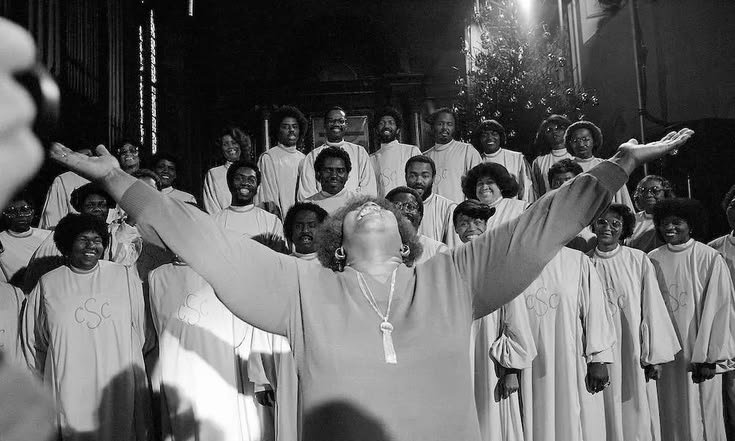
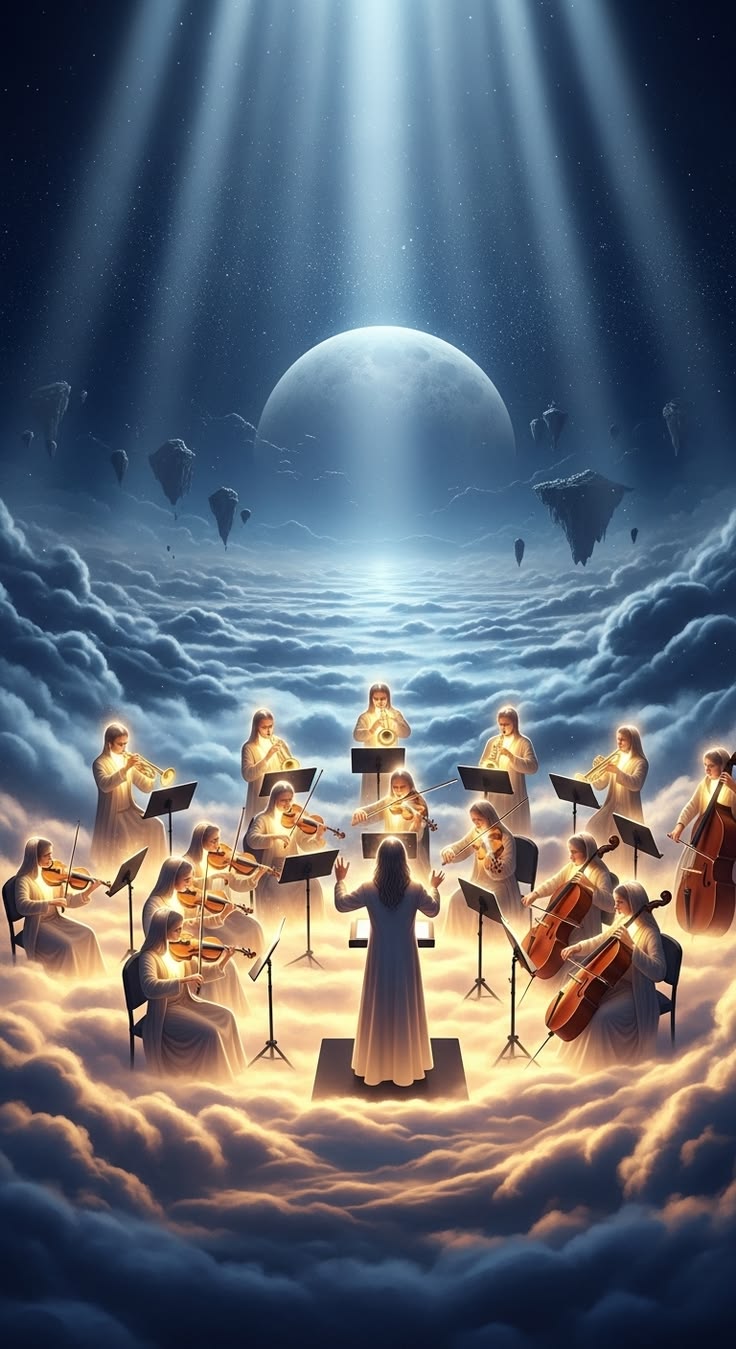
The hymn’s focus then shifts vertically in the third line, “Praise Him above, ye heavenly host,” bridging the gap between the earthly and the divine. This is perhaps the most transcendent moment of the Doxology. By invoking the “heavenly host”—the angels, archangels, and the entire company of heaven—the congregation acknowledges that their worship is never a solitary act. When they sing these words, they are joining a chorus that is already in progress. They are momentarily pulling back the veil, stepping into the throne room of God described in Revelation, and uniting their voices with those who worship in the immediate presence of the Almighty. This realization brings a profound sense of awe and gravity to the act of singing.
Finally, the Doxology reaches its theological and devotional climax in the fourth line, “Praise Father, Son, and Holy Ghost.” After naming the recipients of praise (God, all creatures, heavenly host), the hymn explicitly declares who that God is: the Triune Godhead. This is the definitive statement of Christian faith. It prevents worship from becoming generic or unitarian; it anchors the praise specifically in the revelation of God as Father (Creator and Provider), Son (Redeemer and Lord), and Holy Spirit (Comforter and Sanctifier). In these final four syllables, the entire narrative of redemption is brought to bear. The worshiper is praising the God who planned salvation, the God who executed it through Christ, and the God who applies it in the present life.
In conclusion, the Doxology is far more than a liturgical rubric or a convenient signal that the offering has been collected. It is the summit of Christian worship precisely because it requires the believer to ascend all the theological peaks simultaneously: recognizing God’s providence, uniting with creation, joining the heavenly chorus, and confessing the Holy Trinity. In these four concise, potent lines, the primary purpose of human existence is fulfilled. The gathered assembly, having heard the Word and responded in prayer, finds its highest calling in this unified, joyful, and eternal declaration of glory to the Father, the Son, and the Holy Spirit.