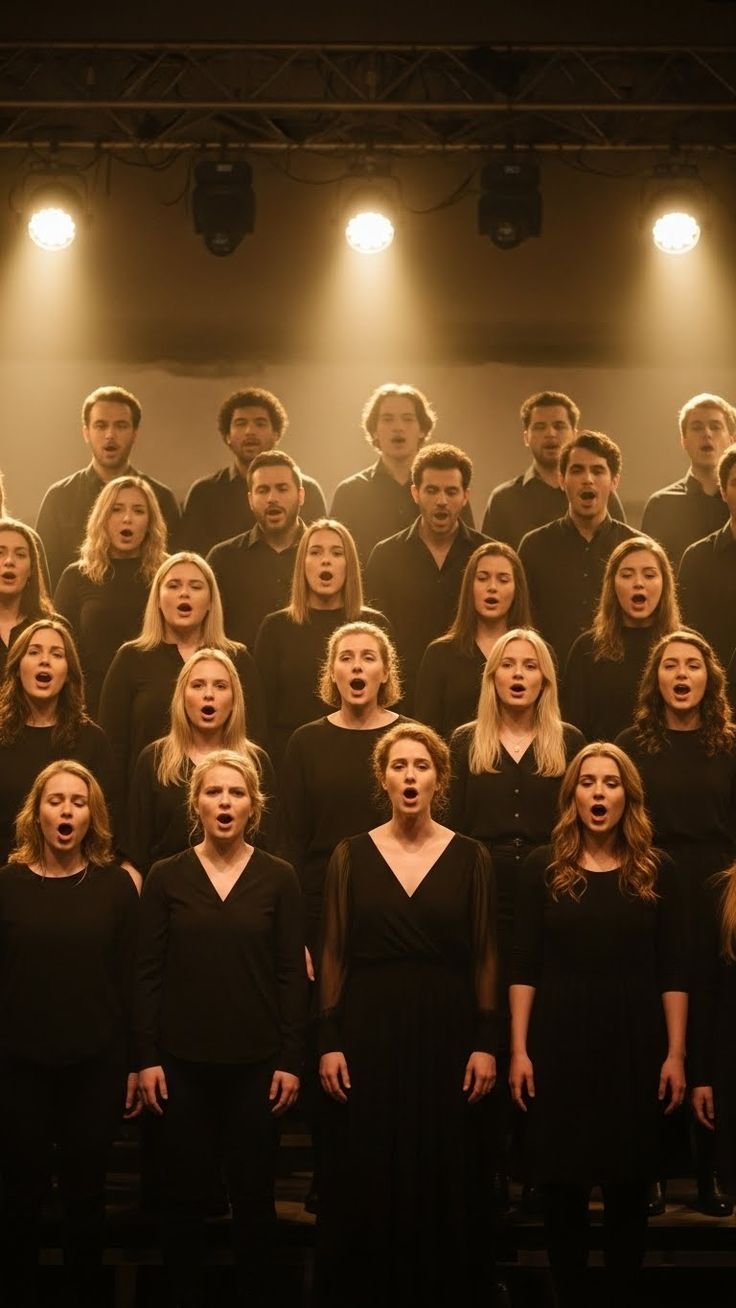
From the quietest whisper of wind through ancient trees to the vast, swirling galaxies scattered across the night sky, creation has always pointed toward a purpose greater than itself. For thousands of years, theologians, poets, and everyday believers have shared a profound conviction: the entire universe was made to reflect and declare the glory of God. When people gather to sing traditional hymns centered on divine majesty, they are doing much more than participating in a musical tradition. They are stepping into the very reason humanity and the cosmos exist—to recognize, celebrate, and echo the splendor of their Creator.
The concept of the glory of God can sometimes sound abstract, yet hymns have a remarkable way of making this truth clear, personal, and deeply moving. In simple terms, God’s glory is the outward beauty and brilliance of who He is—His goodness, power, wisdom, and love made visible. Just as a painting reveals the skill of an artist or a symphony displays the mind of a composer, the physical universe acts as a grand canvas displaying the character of God. Classic hymns take these sweeping truths about creation and turn them into words and melodies that anyone can understand and carry in their heart.
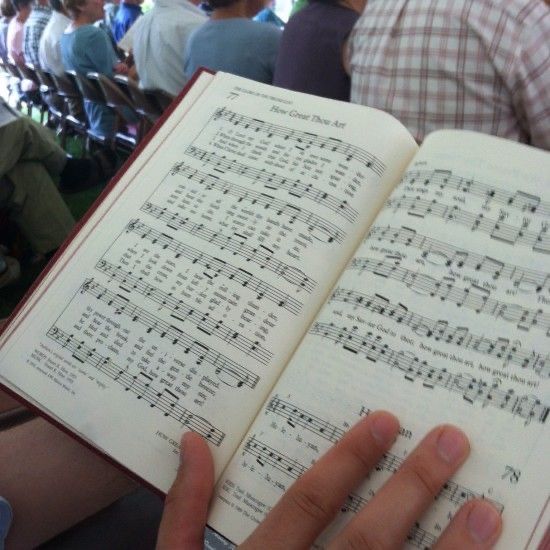
Consider timeless hymns like How Great Thou Art or Immortal, Invisible, God Only Wise. When a congregation sings about rolling thunder, lofty mountains, and gentle forest breezes, the lyrics connect everyday sights in nature directly to the majesty of God. These songs remind listeners that the stars were not scattered randomly and the oceans were not carved by accident. Instead, every mountain peak and sunrise exists as a silent hymn of praise, inviting human beings—who possess voices, minds, and hearts—to join the chorus consciously and joyfully.
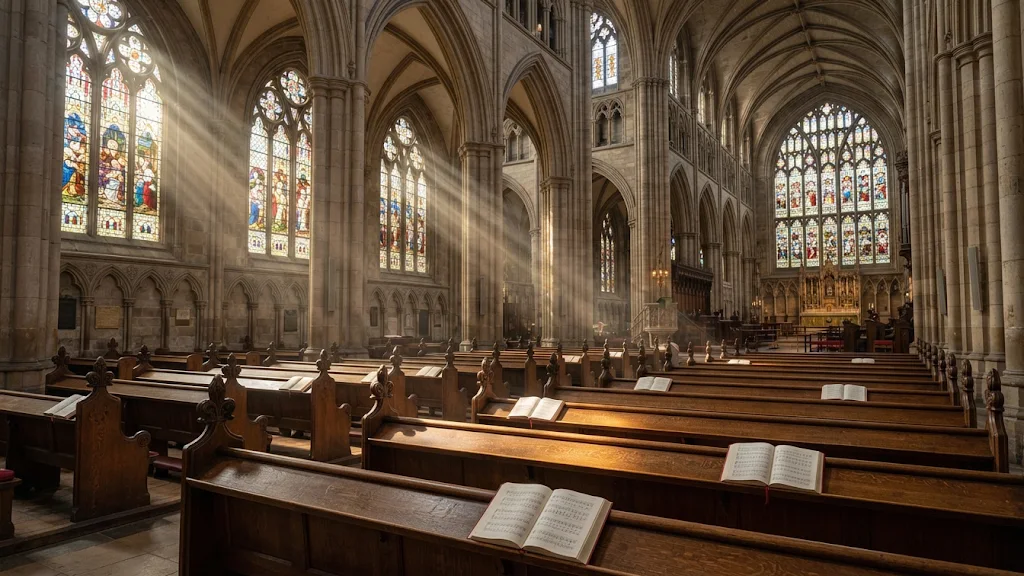
Beyond celebrating the beauty of nature, hymns about the glory of God also bring deep perspective to human life. Modern daily routines often leave people feeling overwhelmed by small worries, temporary setbacks, or a sense of aimlessness. Singing about an eternal, all-powerful Creator gently shifts focus away from personal anxieties and onto something steady and unchanging. When a hymn declares that God reigns in majesty and wisdom, it reassures the listener that their life has meaning within a much larger, purposeful story.
Another reason these historic hymns remain so impactful is their poetic clarity and theological richness. Writers like Isaac Watts, Charles Wesley, and Fanny Crosby crafted verses that balanced deep reverence with accessible language. In hymns such as Holy, Holy, Holy! Lord God Almighty or All Creatures of Our God and King, complex ideas about eternity, holiness, and creation are distilled into memorable lines. Generations of families have sung these exact same words, creating an unbroken thread of worship that stretches across centuries and cultures.
Ultimately, singing hymns about the glory of God aligns the human heart with its original design. If the universe was indeed created to showcase the greatness of its Maker, then worship is not merely a weekly obligation—it is the most natural and fulfilling response a person can offer. Through timeless melodies and clear, uplifting truths, great hymns continue to lift our eyes beyond the ordinary world, reminding us of the beauty of creation and the supreme glory of the One who spoke it all into being.