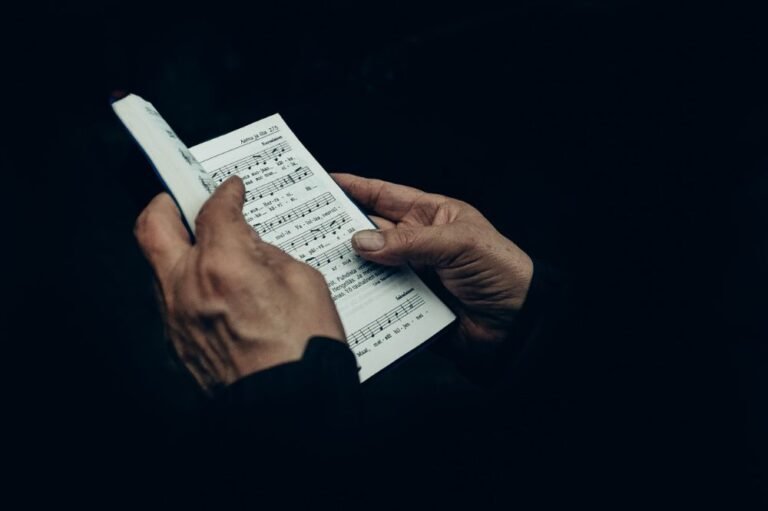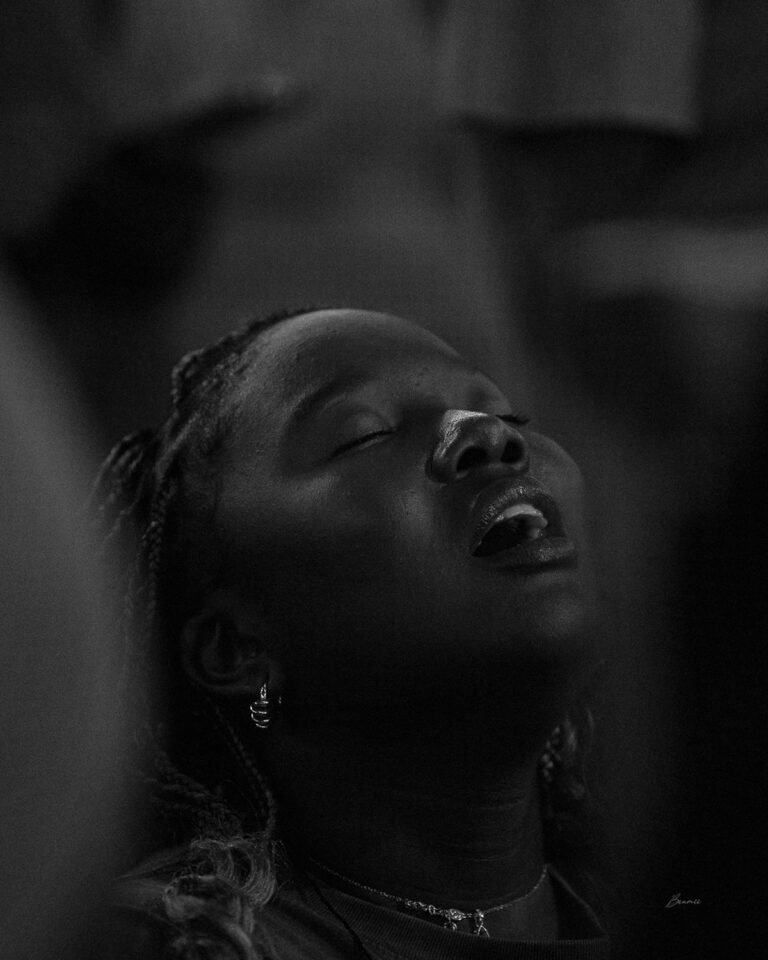
Hymns focused on trial and self-sacrifice hold a unique place in sacred music, offering profound comfort through life’s hardest moments. Rather than avoiding discomfort, these songs face human struggle directly, channeling grief, labor, and perseverance into uplifting melodies. At the center of this tradition is the timeless metaphor of carrying a cross—a symbol representing personal burdens, spiritual dedication, and the strength needed to keep moving forward despite overwhelming challenges.
Transforming Personal Burden into Shared Song
The concept of taking up one’s cross moves beyond abstract theology when expressed through sacred melody. Historic compositions like “Must Jesus Bear the Cross Alone?” directly address the personal nature of life’s struggles, reminding listeners that individual hardship is a universal human experience. By transforming isolated pain into shared vocal harmony, these hymns allow individuals to process hardship within a supportive community. The rhythmic, predictable structure of church music provides a stable framework that helps ease emotional distress and fosters resilience.
The Musical Structure of Struggle and Comfort
Composers often shape the melody and harmony of these hymns to reflect the journey through adversity. Minor keys, descending musical phrases, and deliberate pauses evoke the weight of grief and heavy burdens. However, these solemn passages rarely stand alone; they typically transition into bright, resolved major chords that symbolize hope, relief, and ultimate restoration. This intentional movement from tension to resolution mirrors the emotional arc of overcoming trials, giving listeners a felt sense of hope and spiritual endurance.
Historical Depth in Times of Crisis
Many of the most enduring hymns about suffering were written during periods of severe personal loss, illness, or widespread social crisis. When authors write from authentic experience, their lyrics carry an undeniable honesty that resonates across generations. Songs created under immense pressure serve as historical snapshots of human fortitude, showing how past generations navigated uncertainty. Because these compositions stem from real-life endurance, they continue to provide practical comfort to modern listeners facing their own modern trials.
A Lasting Legacy of Hope and Renewal
Ultimately, hymns about suffering and bearing heavy crosses remain popular because they offer genuine comfort rather than superficial quick fixes. They validate the reality of pain while pointing toward ultimate purpose, healing, and peace. By honoring the difficult path of personal sacrifice and perseverance, these songs remind us that no trial is permanent and no burden is borne entirely alone. Their enduring presence in music history proves that the human spirit consistently finds its strongest voice during its quietest, most difficult moments.