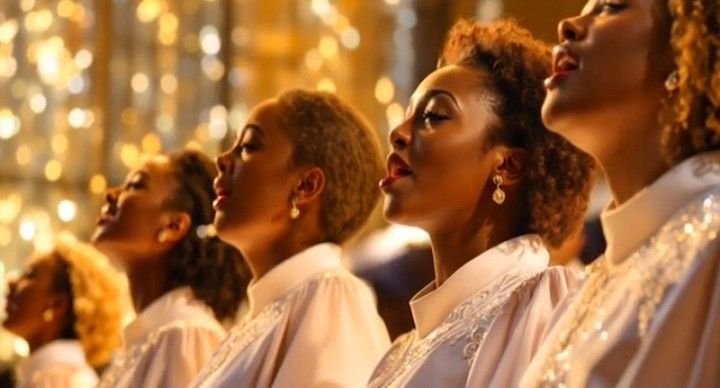
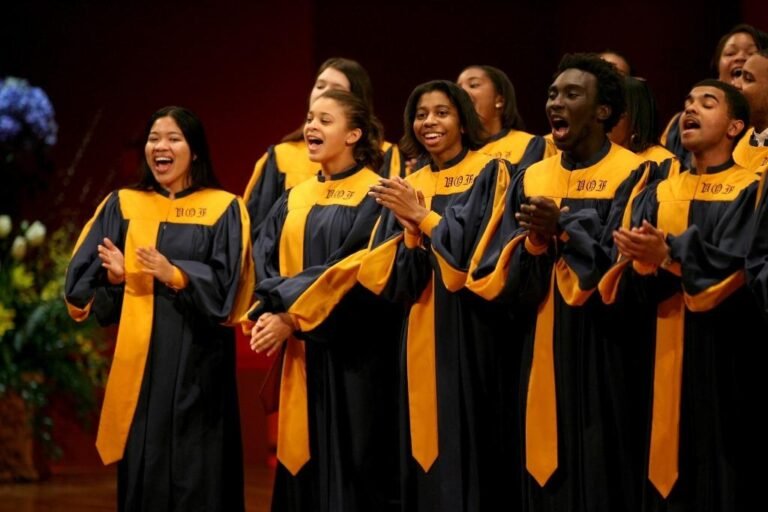
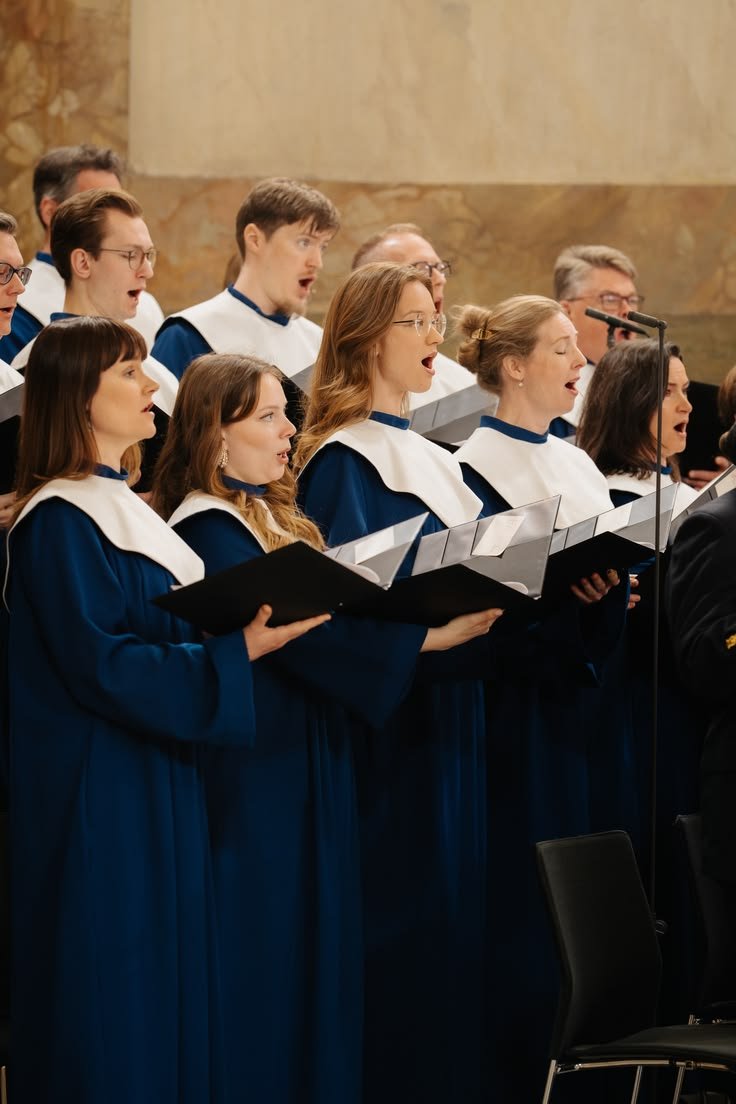
Russian Orthodox liturgical music occupies a unique place in sacred history, defined by a simple yet absolute rule: no musical instruments are allowed. Every sound, from the deep bass lines to the soaring vocal solos, is produced entirely by the human voice. This pure a cappella tradition stems from a ancient belief that the human voice is the ultimate instrument created by the Divine. By eliminating organ accompaniment or orchestral arrangements, the music demands a high level of vocal discipline, creating a resonant, acoustic environment that fills vast architectural spaces with a sound that feels both ancient and deeply alive.
The Architecture of the Eight Tones
The structural foundation of Russian Orthodox music is built upon an ancient system known as the Obikhod or Znamenny chant, which relies on the Eight Tones (Oktoechos). Rather than using modern western major and minor scales, this system assigns specific melodic patterns and mood frameworks to different weeks of the liturgical calendar. The structure is meticulously organized around verse-by-verse responses, where the choir acts as a musical mirror to the officiating clergy. This predictable architecture allows complex, ancient poetry to be sung with clarity, ensuring that the congregation experiences an orderly, seamless flow of worship rather than a random concert.
Theology Wrapped in Sacred Sound
In the Russian Orthodox tradition, hymns are not viewed merely as background music or emotional preludes; they are considered active theology set to sound. Major works by historic composers such as Sergei Rachmaninoff (All-Night Vigil) and Pyotr Ilyich Tchaikovsky translate complex concepts—such as the Incarnation, the Resurrection, and the mystery of eternity—into clear, sonic declarations. Through the use of deep, resonant bass notes (basso profundo) that anchor the music, these hymns convey the weight and majesty of sacred history, transforming abstract theological ideas into an immersive, deeply reverent physical experience.
The Aesthetic Power of Sacred Harmony
The timeless beauty of this music lies in its ability to engage all the human senses simultaneously. Within an Orthodox service, the music does not exist in isolation; it interacts with glowing candlelight, ancient icons, and burning incense to create what scholars refer to as a “total work of art.” The lush, multi-layered harmonies move deliberately, often using slow, sustained chords that encourage quiet reflection and lower stress. This aesthetic design creates a peaceful internal atmosphere, helping listeners detach from the noise of daily life and enter a state of calm, focused meditation.
A Recommended Legacy for Mindful Listening
For musicians, historians, and individuals seeking a restorative listening experience, Russian Orthodox liturgical music comes highly recommended. Its timeless structure proves that music does not require high-tech production or loud instrumentation to leave a lasting impression on the human spirit. By preserving an unbroken vocal tradition through centuries of cultural shift, these hymns offer a steady blueprint for reverence, artistic integrity, and peace. Incorporating this music into your personal reflection or study routines provides a rare, beautiful gateway to one of the richest artistic legacies in human history.