For centuries, sacred music was viewed as a shared cultural gift rather than a commercial product. Early hymn writers composed melodies meant for communal worship, rarely expecting financial royalties or exclusive ownership. However, as music publishing expanded during the eighteenth and nineteenth centuries, printed hymnals became lucrative commercial assets. Landmark legal decisions—such as the 1777 British ruling in Bach v. Longman, which formally recognized musical compositions as protected intellectual property—paved the way for sacred works to enter the legal realm. This shift transformed sacred songs from spiritual traditions into legally protected property, forcing religious institutions to rethink how they shared music.
The Battle Over Church Hymnals and Printing Rights
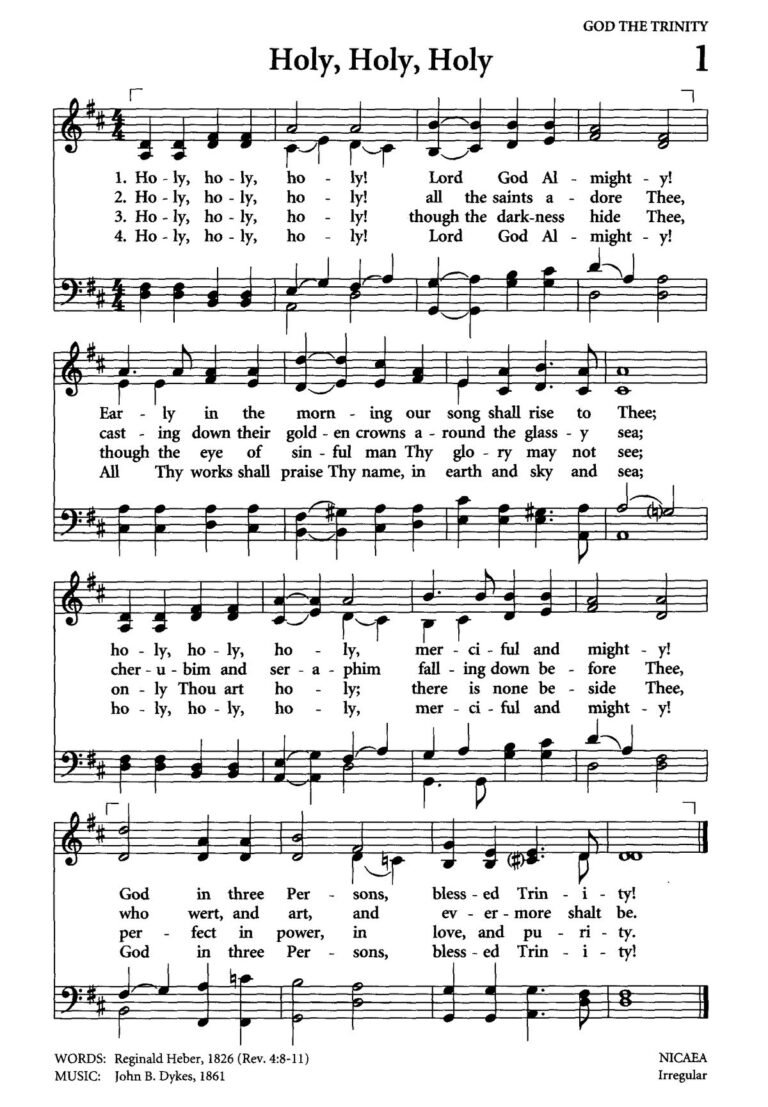
As sheet music publishing grew into a major industry, publishing houses began acquiring exclusive rights to popular hymns and sacred arrangements. Conflicts arose when local congregations reprinted hymn texts or vocal arrangements in bulletins and custom songbooks without publisher permission. Courts consistently affirmed that spiritual intent did not exempt churches from federal copyright laws. Publishers successfully argued that unauthorized reprinting deprived composers and arrangers of their livelihood. These early legal disputes established a firm legal precedent: sacred music, despite its holy function in worship, remains subject to standard copyright protections.
The Religious Exemption and Digital Broadcast Boundaries
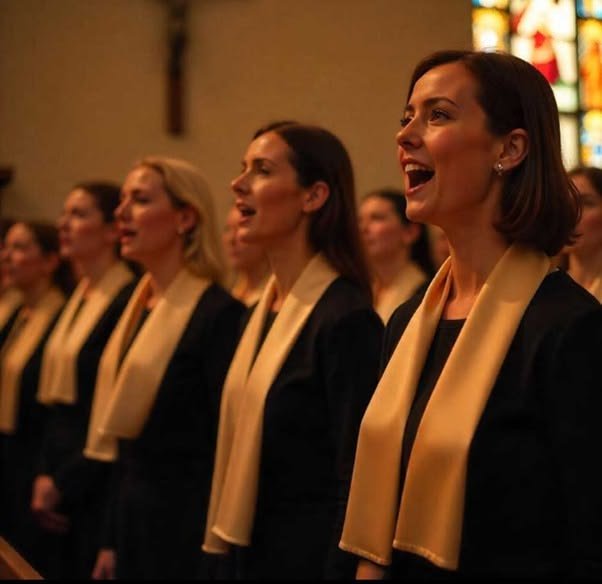
Modern copyright law created a specific distinction through the “religious services exemption,” which permits the live performance of copyrighted sacred music during traditional worship services without royalty fees. However, legal battles erupted as worship expanded beyond sanctuary walls. Courts ruled that this legal exemption applies strictly to live, in-person gatherings and does not cover broadcasts, livestreams, recorded media, or digital distribution. Recent high-profile lawsuits involving unauthorized online broadcasts of copyrighted hymnals reinforced that transmitting sacred music over digital networks requires explicit licensing, reshaping how churches manage their online presence.
Licensing Collectives and the Modern Business Model
To resolve the constant friction between copyright enforcement and congregational needs, central licensing organizations like CCLI (Christian Copyright Licensing International) and OneLicense were established. These agencies act as legal intermediaries, granting churches blanket licenses to print lyrics, stream services, and record music legally. The emergence of these collectives created a standardized business model for sacred music, ensuring composers receive royalties while providing institutions a clear path to compliance. This centralized system forever shifted sacred music administration from localized, unregulated practice to structured global copyright management.
Balancing Spiritual Purpose with Creative Stewardship
Ultimately, the copyright battles surrounding sacred music highlight the ongoing balance between spiritual mission and artistic rights. While critics argue that strict licensing can commercialize worship, copyright protections ensure that sacred composers, arrangers, and publishers are fairly compensated for their craft. Today, navigating sacred music requires a combination of artistic reverence and legal awareness. By understanding the legal history behind these compositions, modern worship leaders and organizations can honor the legacy of sacred tradition while upholding ethical stewardship in the digital age.