There comes a moment in many professional and personal journeys where intellectual certainty gives way to absolute exhaustion. For me, that moment arrived on a quiet Tuesday night, following months of navigating intense career transitions and personal doubts. My faith had slowly degraded from a vibrant, guiding force into a series of rigid obligations and clinical concepts. I found myself in a state of spiritual burnout, sitting in the back row of a dimly lit sanctuary, completely detached from the environment which I wasn’t there to engage; I was there out of habit, convinced that my sense of purpose had permanently eroded.
The Shift from Analysis to Presence
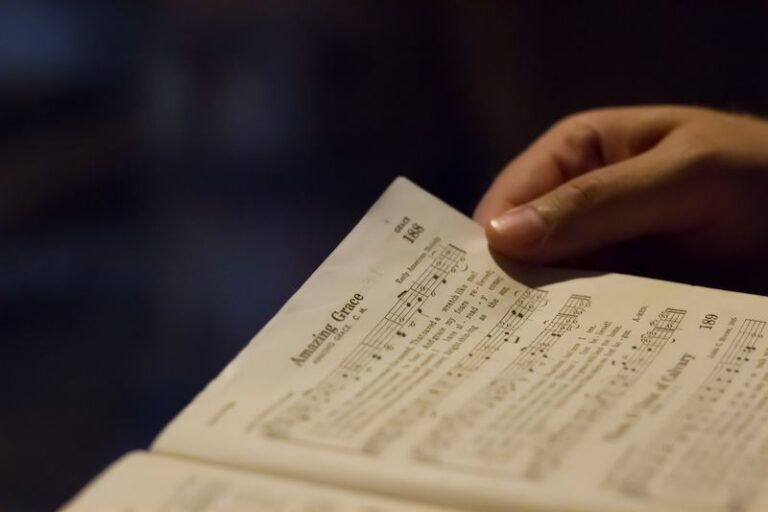
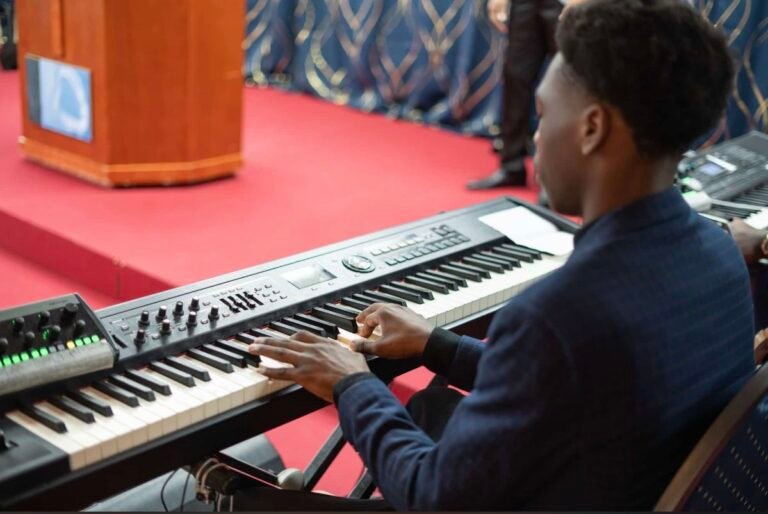
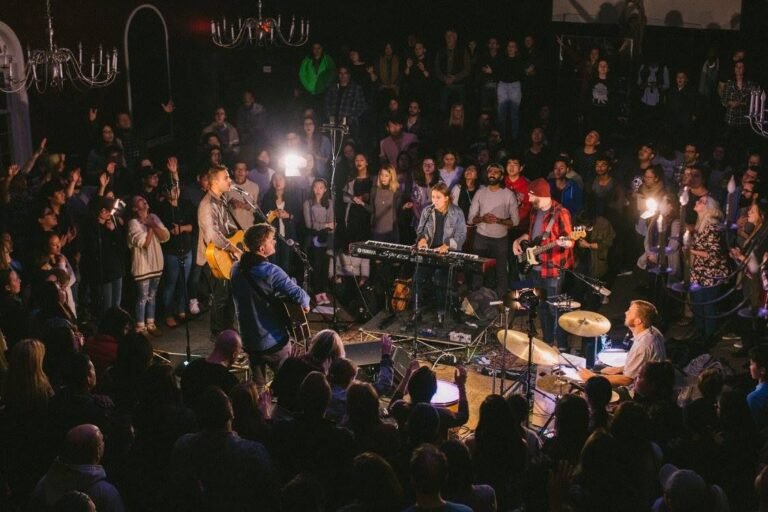
The turning point occurred not through a dramatic sermon or a complex lecture, but through the simple initiation of communal music. As the acoustic chords filled the room and the congregation began to sing an ancient hymn, the atmosphere shifted. For months, my approach to faith had been purely analytical, an intellectual puzzle I was trying to solve with a tired mind. But the physical act of hearing hundreds of voices join together in a simple, shared harmony bypassed my cognitive defenses.
Finding Words in the Silence
Anxiety and doubt often strip away our ability to articulate our pain, leaving us feeling deeply isolated. That night, the lyrics of the songs served as a pre-written script for my unexpressed frustration. Singing lines that had weathered centuries of human suffering reminded me that my struggles were not unique. The “silent sermon” within the melody provided a framework for my grief and a vocabulary for my hope. By vocalizing those timeless truths, I was essentially preaching peace back to my own nervous system, allowing the objective reality of grace to replace the subjective fog of my immediate circumstances.
The Physiology of Spiritual Peace
The restoration of my faith was not just a psychological shift; it was a deeply physical experience. The rhythmic nature of the corporate singing forced me to regulate my breathing, moving my body out of its chronic “fight or flight” stress response. As my heart rate slowed, the internal noise that had dominated my thoughts for months began to clear. This biological reset opened the door to a profound sense of comfort.
A Durable Foundation for the Future
I left the sanctuary that night not with a set of easy answers, but with a restored foundation. The experience proved that faith is not a fragile emotion that breaks under the weight of doubt, but a resilient anchor designed to hold fast during life’s transitions. Rediscovering the power of worship allowed me to realign my personal values with my professional ambitions. For anyone navigating a season of burnout or uncertainty, the recommendation is simple: step away from the noise, enter a space of collective devotion, and allow the timeless rhythms of worship to do the heavy lifting of restoring your perspective.