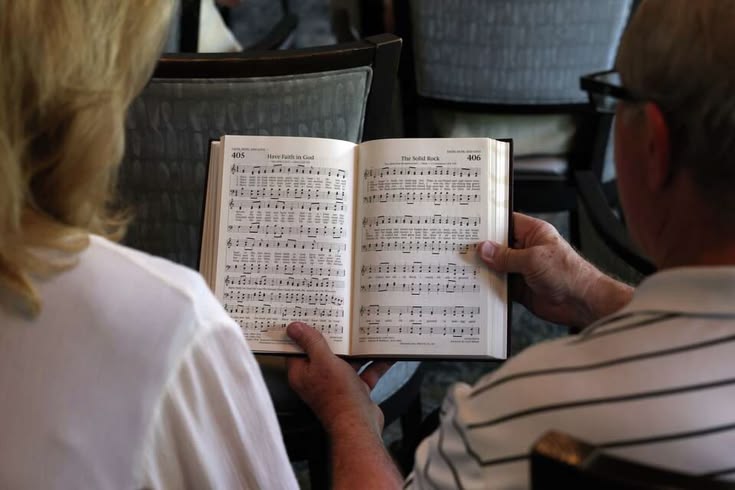
In the late 20th century, a quiet yet fierce debate swept through mainline Christian denominations over one of the most recognizable songs in sacred music history: “Onward, Christian Soldiers.” Written in 1865 by Sabine Baring-Gould as a simple processional song for children, the hymn had been a staple in church pews for over a century. However, as denominational committees set out to update their official hymnals in the 1980s, several publishing boards proposed removing the song entirely. The decision sparked nationwide headlines, intense congregational debate, and a sudden clash between historic tradition and modern cultural sensitivities.
The Rise of Anti-Militaristic Scrutiny
The primary driver behind the song’s removal—or attempted removal—was a growing discomfort with its heavy use of martial imagery. Lines like “marching as to war” and “forward into battle” felt increasingly out of place to church committees seeking to distance religious practice from literal war, nationalistic triumphalism, and historical imperialism. Critics argued that in a post-Vietnam era, continuing to equate faith with military aggression was tone-deaf and potentially misleading to younger generations. For several mainline traditions, such as the Presbyterian Church (USA), the song was quietly dropped from newer printings as part of a broader effort to emphasize themes of peace, unity, and reconciliation.
A Metaphor Misunderstood
Proponents of keeping the hymn argue that its exclusion stems from a literal misinterpretation of a classic biblical metaphor. The author originally drew inspiration from New Testament passages, such as Paul’s letter to the Ephesians, which frames the Christian life as a spiritual struggle against evil rather than a physical fight against human enemies. In this context, the “battle” is an internal and spiritual one, fought through faith, charity, and perseverance rather than violence. Supporters maintain that stripping the hymnal of all martial rhetoric dilutes the historical reality of spiritual discipline and deprives the church of a metaphor that has offered strength during dark times.
The Grassroots Backlash and Reinstatement
The proposal to erase the hymn did not pass without resistance. When the United Methodist Church’s hymnal revision committee announced plans to drop “Onward, Christian Soldiers” alongside other martial tracks in 1986, the public response was immediate and overwhelming. Thousands of letters, petitions, and phone calls flooded the committee’s offices from churchgoers who viewed the move as an overreach of political correctness. The sheer volume of grassroots pushback forced the committee to reverse its decision, ensuring the song retained its place in the 1989 United Methodist Hymnal. The controversy highlighted a deep divide between denominational leadership and the preferences of everyday congregants.
A Lesson in Cultural Stewardship
The story behind the removal and survival of “Onward, Christian Soldiers” offers a valuable case study in how religious communities manage historic literature. It illustrates that church music is rarely static; it lives at the intersection of theology, history, and shifting social values. Whether a congregation chooses to sing the song or leave it on the page, the debate itself highlights the importance of context and intentionality in public worship. Ultimately, it serves as a professional reminder that while cultural perspectives evolve, removing a long-standing piece of community heritage requires careful dialogue, transparency, and a deep respect for the people in the pews.